

How to Build a Performance Lifestyle Brand That Lasts
A performance lifestyle brand is defined as a brand that aligns customer identity, daily habits, and product signals into one coherent experience that people live, not just wear. If you want to build a performance lifestyle brand that drives real loyalty, you need more than good-looking apparel. You need a system. The industry term for this approach is “performance branding,” and it fuses long-term brand equity with short-term marketing results. Brands like Teamjhall prove the model works: combine athletic apparel with values like confidence, faith, and consistency, and you create a movement people join rather than a product they buy.
How to build a performance lifestyle brand from the ground up
A performance lifestyle brand succeeds when it aligns identity, habits, and signals into a single coherent system. Identity is who your customer believes they are. Habits are the daily behaviors your product supports. Signals are the visual, tonal, and product cues that confirm the identity back to the customer. When all three align, trust builds fast.
The timeline to launch is real and manageable. A structured approach takes 4–8 months from concept to first sale, with initial capsule launch costs ranging from 15,000 to 25,000 euros for a 6–8 item line. That range covers sampling, manufacturing, and basic brand development. It does not cover paid media or community building, which are separate budget lines.
Three strategic pillars drive every successful performance lifestyle brand:
- Brand identity: A focused customer identity lane with a clear lifestyle anchor
- Product design: A technically sound capsule collection that proves the brand’s performance claims
- Integrated marketing: Consistent brand signals across digital channels that reduce acquisition costs
Start with identity. Everything else follows.
What makes a brand identity resonate with performance-focused customers?
The most common mistake founders make is building a brand that tries to speak to everyone. Owning a specific identity lane and expressing it consistently across every touchpoint leads to higher engagement, justified pricing, and less discounting. Broad brands compete on price. Focused brands compete on meaning.
Your identity lane is the intersection of who your customer is and what they are chasing. A competitor chasing a podium finish has different daily habits than a creator building a personal brand. Both can be performance-focused, but they need different signals. Teamjhall targets competitors, creators, leaders, and everyday athletes chasing greatness in all areas of life. That specificity is a strategic choice, not a marketing line.
Translate that identity into the habits your product supports. A performance tee worn during a 5 a.m. training session carries a different meaning than one worn to a coffee shop. Your product needs to work in both contexts if your brand claims to live at that intersection. Prove it through content, athlete stories, and real-use imagery, not just product photography.
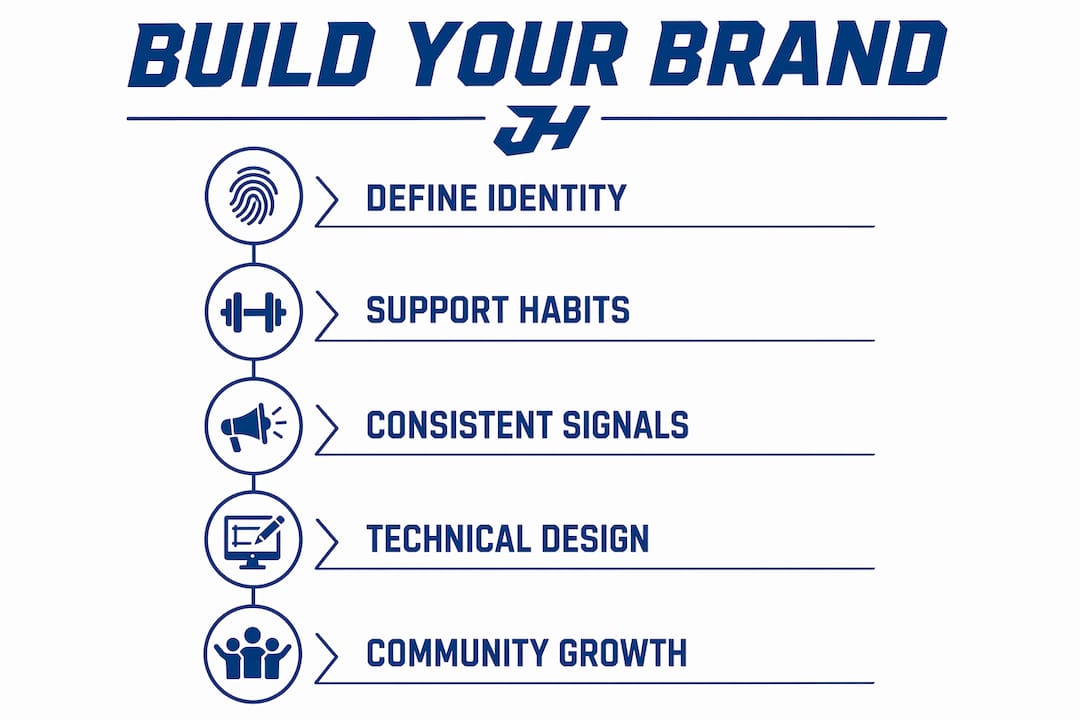
Visual and tonal brand codes must stay consistent. Pick a color system, a type hierarchy, and a tone of voice, then hold them across every channel. Inconsistency signals a brand that does not know itself. Customers read that signal immediately, and they move on.
Pro Tip: Write a one-sentence identity statement in this format: “We are for [customer type] who [daily habit] because [core belief].” Every product, post, and campaign should pass that filter before it goes live.
How does product design define a performance lifestyle brand?
A capsule collection of 6–8 items is the right entry strategy for a new performance lifestyle brand. Launching with a capsule lets you test market demand with limited investment before scaling production. It also forces creative discipline. You cannot hide weak design behind a large catalog.
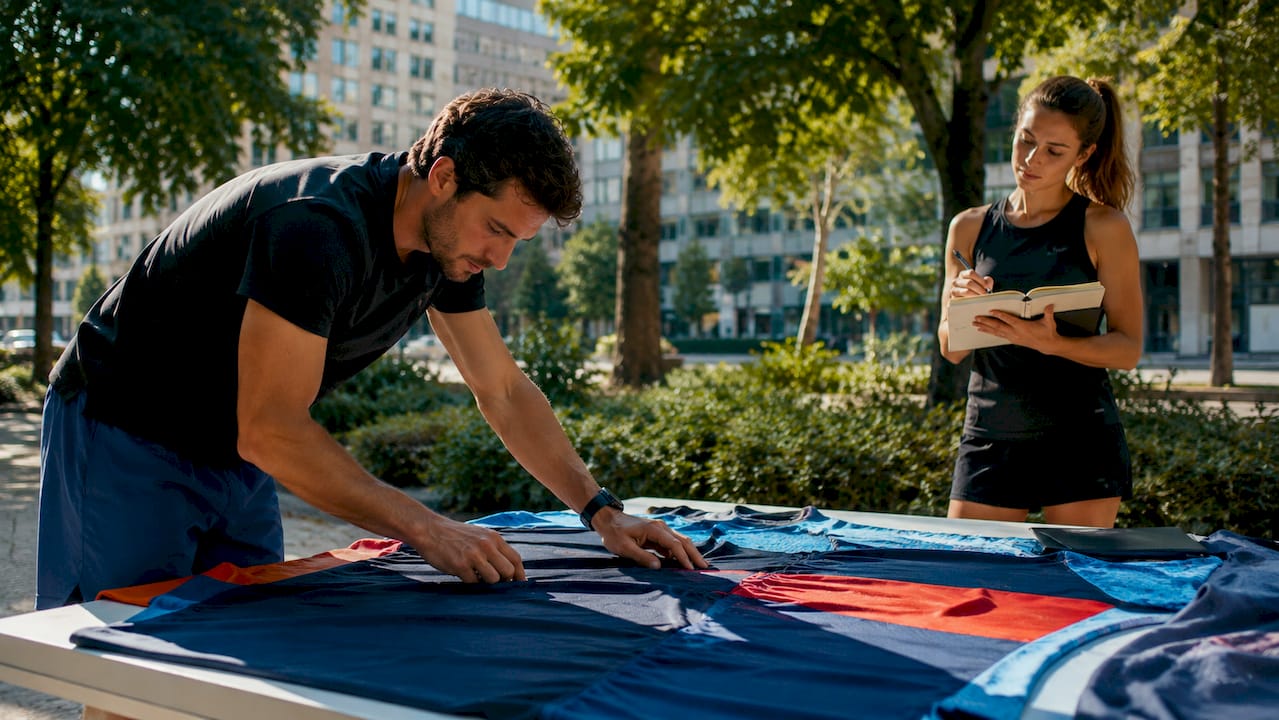
Technical construction separates performance apparel from fashion apparel. Flatlock seams and bonded construction are non-negotiable for activewear. Standard overlock seams cause chafing during high-output movement. Flatlock seams lie flat against the skin, and bonded hems eliminate bulk at waistbands and cuffs. Not every factory offers this capability, so vet your manufacturer before signing a production agreement.
Fabric selection matters as much as construction. Materials like Carvico and ECONYL® deliver stretch recovery, moisture management, and durability across hundreds of wash cycles. Cheaper alternatives pill, fade, and lose shape within months. Customers who train daily notice the difference by week three.
| Design element | Performance-first choice | Lifestyle-first choice |
|---|---|---|
| Seam type | Flatlock or bonded | Standard overlock |
| Fabric | Carvico, ECONYL® | Cotton blends |
| Fit | Compression or athletic cut | Relaxed or oversized |
| Colorway | Neutral base with accent | Bold or seasonal prints |
| Testing | Real-use wear trials | Fit model only |
Test every prototype under real conditions before placing a production order. Wear the garment through a full training session. Identify where it rides, bunches, or restricts movement. Fix those issues at the sample stage. Fixing them after production is expensive and demoralizing.
Pro Tip: Order a minimum of three prototype rounds before approving production. The first round reveals construction issues. The second round confirms fixes. The third round is your final wear test under full training conditions.
How does brand strategy improve performance marketing results?
Brand signals reduce customer hesitation and lower cost per acquisition when integrated into performance marketing campaigns. A customer who already trusts your brand identity clicks your ad faster, converts at a higher rate, and returns more often. Reactive marketing without brand equity burns budget on cold audiences who have no reason to believe you.
Premium creative assets in digital campaigns increase click-through rates and reduce cost per acquisition. That means investing in brand design is not a luxury. It is a cost-saving measure for your paid media budget. A well-designed ad for a brand with a clear identity outperforms a generic ad for a brand with none.
The performance branding method works like this:
- Creative design: Every ad, post, and email uses the same visual system
- Messaging: Copy reflects the brand’s identity lane and speaks to the customer’s daily habits
- Motion: Video and animation follow brand motion guidelines, not platform trends
- Channel continuity: TikTok, Instagram, and email all carry the same brand signal, not separate personalities
“Brands often fail by focusing on short-lived hype instead of building steady brand systems with consistent behaviors across all channels.” — Movia Lab
Continuous brand behavior across products and digital channels upholds credibility and trust over time. One viral post does not build a brand. Twelve months of consistent creative output does.
How do you build a loyal community around your performance brand?
Community is the distribution channel that paid advertising cannot replicate. Community-led distribution through local gyms and niche fitness tribes outperforms pure paid advertising in conversion for performance lifestyle brands. People buy from brands their training partners wear. That social proof is worth more than any retargeting campaign.
Build community through rituals, not just content. Here is a proven sequence for a new performance lifestyle brand:
- Partner with two or three local gyms or functional fitness communities where your target customer already trains. Offer product seeding in exchange for authentic content and word-of-mouth.
- Launch a shared challenge tied to a core brand value, such as a 30-day consistency challenge. Give it a name, a hashtag, and a simple tracking format. Shared language creates belonging.
- Feature customer stories in your content calendar every week. Real people in real training environments carry more credibility than polished brand shoots.
- Respond to every comment and message in the brand’s voice. Customer support tone is a brand signal. Inconsistent or cold responses break the identity you have built everywhere else.
- Combine local partnerships with digital engagement so community members who move cities still stay connected to the brand through online channels.
Pro Tip: Create a private community space, whether a Facebook Group, Discord server, or SMS list, where your most engaged customers get early access to new products and direct input on upcoming designs. That inner circle becomes your most powerful marketing asset.
Avoid the trap of chasing follower counts over genuine engagement. A community of 500 deeply connected customers who train in your gear and share their results will outperform a following of 50,000 passive scrollers every time.
Key takeaways
A performance lifestyle brand grows through consistent identity, technical product quality, and community-led distribution working together as one system.
| Point | Details |
|---|---|
| Define your identity lane | Choose a focused customer type and lifestyle anchor before designing a single product. |
| Launch with a capsule collection | A 6–8 item line limits risk and forces the design discipline that builds brand credibility. |
| Use technical construction | Flatlock seams and performance fabrics prove your brand’s claims at the product level. |
| Integrate brand into marketing | Consistent creative assets lower acquisition costs and increase click-through rates. |
| Build community before scaling | Local gym partnerships and shared challenges drive conversion better than paid ads alone. |
What I have learned building in this space
The brands that last are not the ones with the biggest launch. They are the ones with the most consistent daily behavior. I have watched founders spend their entire budget on a launch event, generate a spike of attention, and then disappear because they had no system behind it. The spike is not the brand. The system is the brand.
The most important thing I tell founders is this: your product has to perform before your marketing can promise anything. If the seams fail at week four, no amount of community building saves you. Technical credibility is the foundation. Everything else is amplification.
Start small. A capsule collection of six items, worn and tested by real athletes in your target community, tells you more about your brand’s future than any focus group. The feedback you get from those early customers shapes your next collection, your content voice, and your community rituals. That feedback loop is the actual product you are building.
Teamjhall gets this right. The brand does not chase trends. It builds around values like consistency, loyalty, and faith, and it shows those values through product design, content, and community engagement every single day. That is the model worth studying.
— Jason
See Teamjhall’s performance lifestyle collection
Teamjhall puts every principle in this article into practice through its full range of performance apparel. The TJH Padded Sports Bra delivers technical support for high-output training, and the TJH Men’s Performance Tee is built for athletes who train hard and live with intention. Every piece in the line reflects the brand’s core values: confidence, family, faith, loyalty, and consistency.
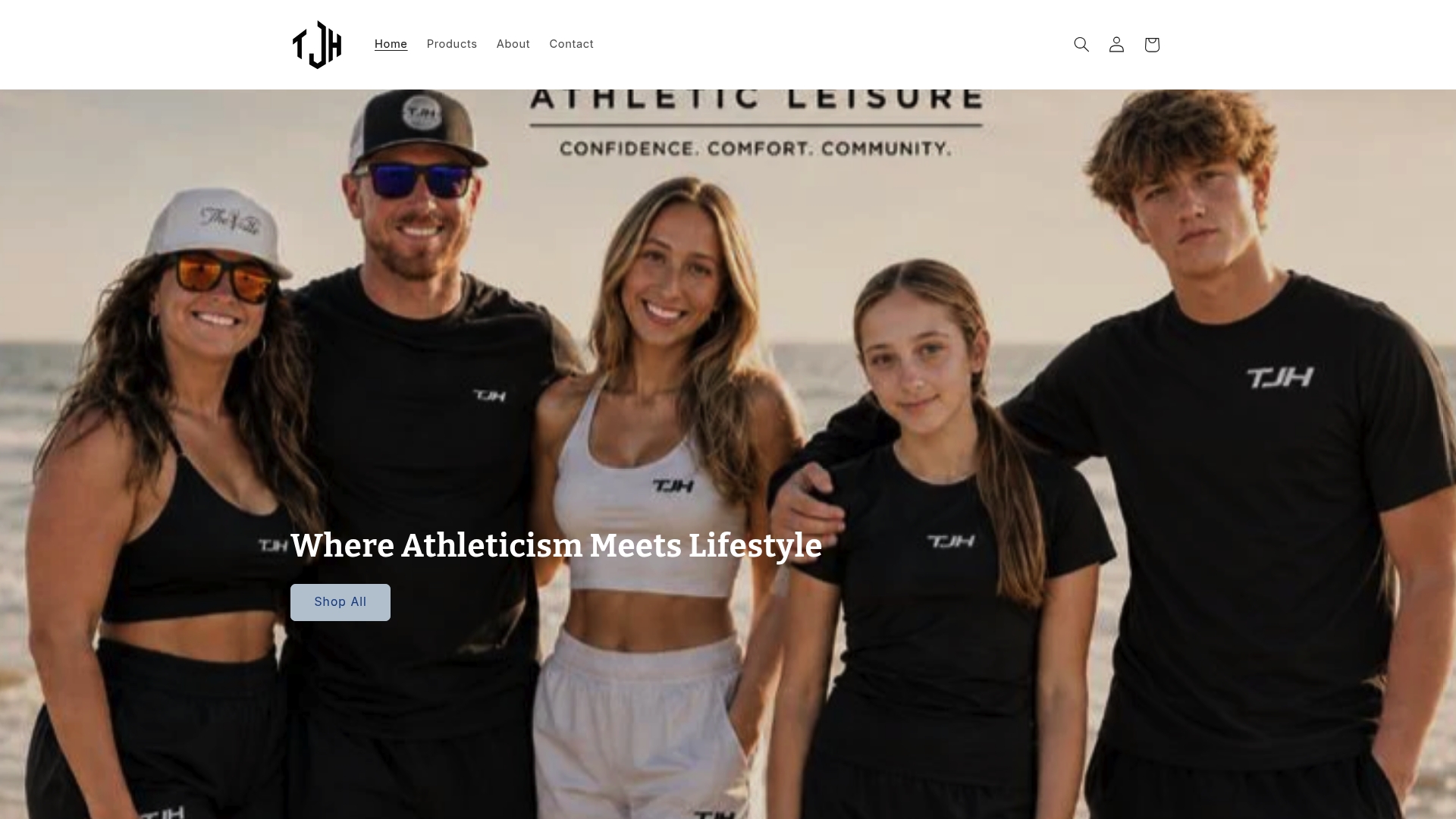
If you are ready to see what a performance lifestyle brand looks like in product form, the full Teamjhall store carries the complete collection. Browse the range, find the pieces that match your training life, and join a community of competitors, creators, and leaders chasing greatness every day.
FAQ
What is a performance lifestyle brand?
A performance lifestyle brand aligns customer identity, daily habits, and product signals into one coherent experience. It is defined by technical product quality, consistent brand behavior, and a community built around shared values.
How long does it take to launch a performance lifestyle brand?
A structured approach takes 4–8 months from concept to first sale, with initial capsule collection costs ranging from 15,000 to 25,000 euros for 6–8 items.
Why start with a capsule collection?
A capsule collection of 6–8 items lets you validate market demand and build community loyalty before expanding your range. It limits financial risk and forces the creative focus that builds a credible brand identity.
How does brand strategy lower marketing costs?
Brand signals integrated into digital campaigns increase click-through rates and reduce cost per acquisition. Customers who recognize and trust a brand convert faster than cold audiences with no prior exposure.
What is the best way to build community for a fitness brand?
Partner with local gyms and niche fitness communities first, then layer in digital engagement through challenges, customer stories, and shared language. Community-led distribution consistently outperforms paid advertising in conversion for performance lifestyle brands.