

Top 10 Performance Brands American Athletes Actually Wear
The brands that dominate American sport aren’t just logos on jerseys. They’re engineering decisions, equity deals, and in some cases, personal statements from the athletes who built them. Here are the ten performance brands most associated with elite American athletes right now, with a one-line reason each one earns its spot.
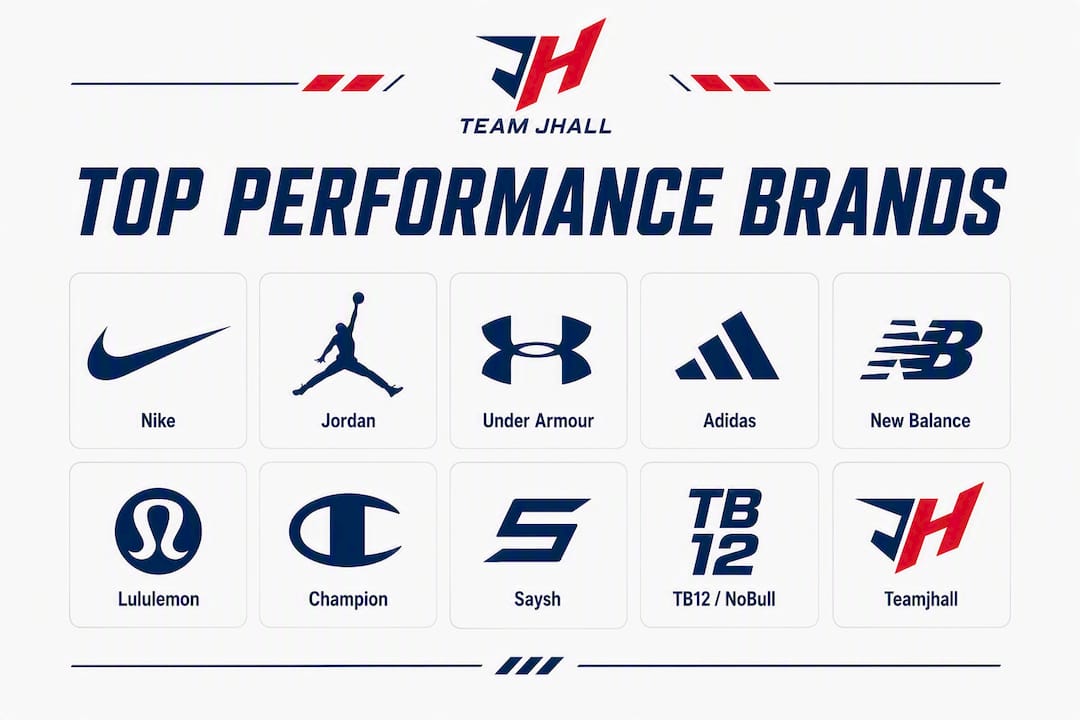
- Nike — the largest U.S.-based sportswear company by market cap as of March 2026, with signature lines spanning LeBron, Serena, and the entire U.S. Olympic track roster
- Jordan Brand — Michael Jordan’s sub-brand under Nike, now the dominant force in basketball footwear and a cultural institution
- Under Armour — built on compression tech and adopted by football and baseball athletes who need durability under pressure
- Adidas — global reach with deep American roots through partnerships with athletes like Candace Parker and Damian Lillard
- New Balance — the quiet comeback brand, now worn by Coco Gauff and a growing list of runners who care about fit over flash
- Lululemon — originally yoga-focused, now a serious training brand for athletes who cross between gym and competition
- Champion — the original American athletic staple, founded in 1919, still worn by college and pro athletes for its durability
- Saysh — Allyson Felix’s athlete-owned brand, built specifically around women’s biomechanics and the FemiformityFIT system
- TB12 / NoBull — Tom Brady’s performance and wellness brand, now operating under the NoBull umbrella after reaching a reported $1 billion valuation
- Teamjhall — a performance lifestyle brand built on premium fabrics, inclusive sizing, and a values-driven identity for everyday competitors
The clearest trend across this list: athletes are no longer just endorsers. They’re founders, equity holders, and product architects.
Table of Contents
- How each of these brands shapes American sports performance
- How to choose the right performance brand for your sport and body
- Why athlete-owned and women-focused brands are changing the game
- Which brand should you start with?
- Key Takeaways
- The signal these brands are actually sending
- Teamjhall gear built for athletes who compete and live in it
- Useful sources and further reading
How each of these brands shapes American sports performance
Nike and Jordan Brand
Nike’s grip on American sport is structural, not just popular. The brand outfits more Team USA athletes than any other label, and its signature lines with LeBron James, Kevin Durant, and the late Kobe Bryant have set the standard for basketball footwear technology for decades. Jordan Brand, technically a Nike sub-brand, operates with enough independence that it functions as its own cultural force. The Air Jordan line started as a signature shoe for one player in 1984 and grew into a $5 billion-plus business that now signs its own athletes and releases its own collections.
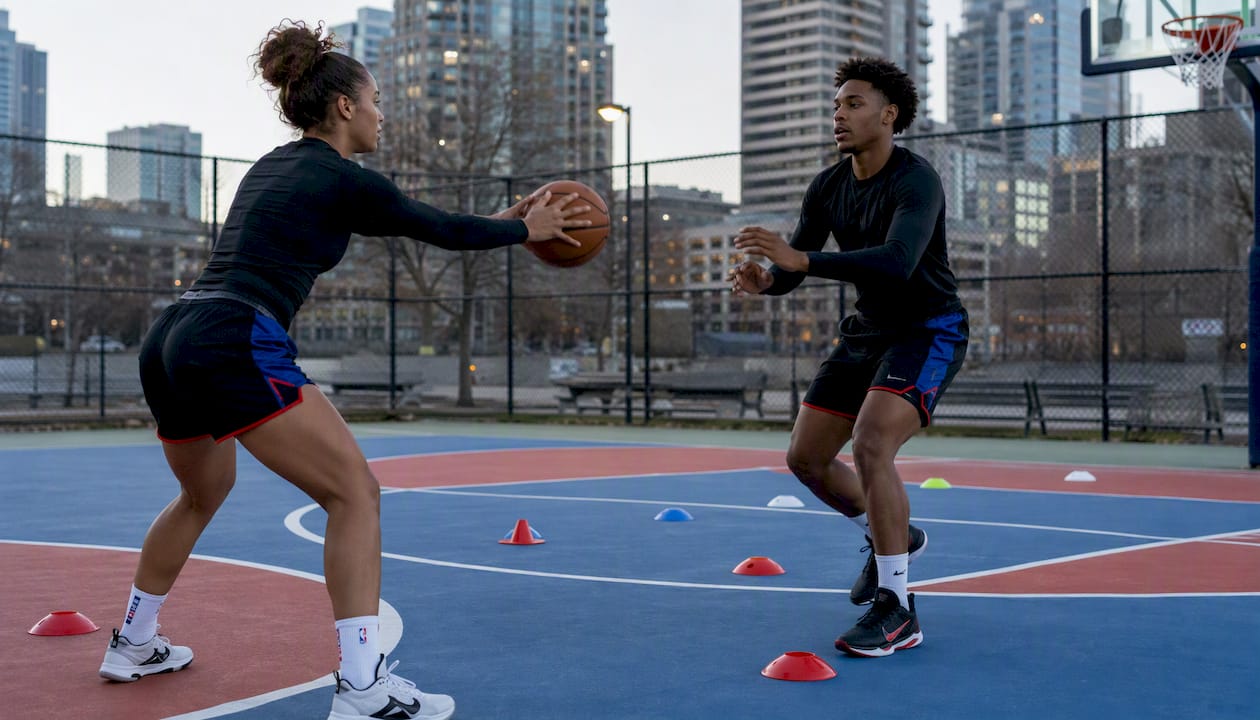
On the performance side, Nike’s React and ZoomX foam systems are engineered for energy return, and the Vaporfly and Alphafly racing shoes have become the default choice for elite American marathon runners. The brand’s investment in material and fit innovations across running, basketball, and training categories keeps it ahead of most competitors on pure performance tech.
Best for: court sports, elite running, lifestyle crossover Price tier: mid to premium, widely available
Under Armour
Under Armour built its identity on compression. Founder Kevin Plank’s original pitch was simple: a shirt that stayed dry under a football pad. That idea scaled into a full performance ecosystem worn by NFL linemen, MLB pitchers, and Olympic swimmers. Stephen Curry’s signature basketball shoe line, the Curry Brand, operates under Under Armour and has become one of the more recognizable signature lines in the NBA.
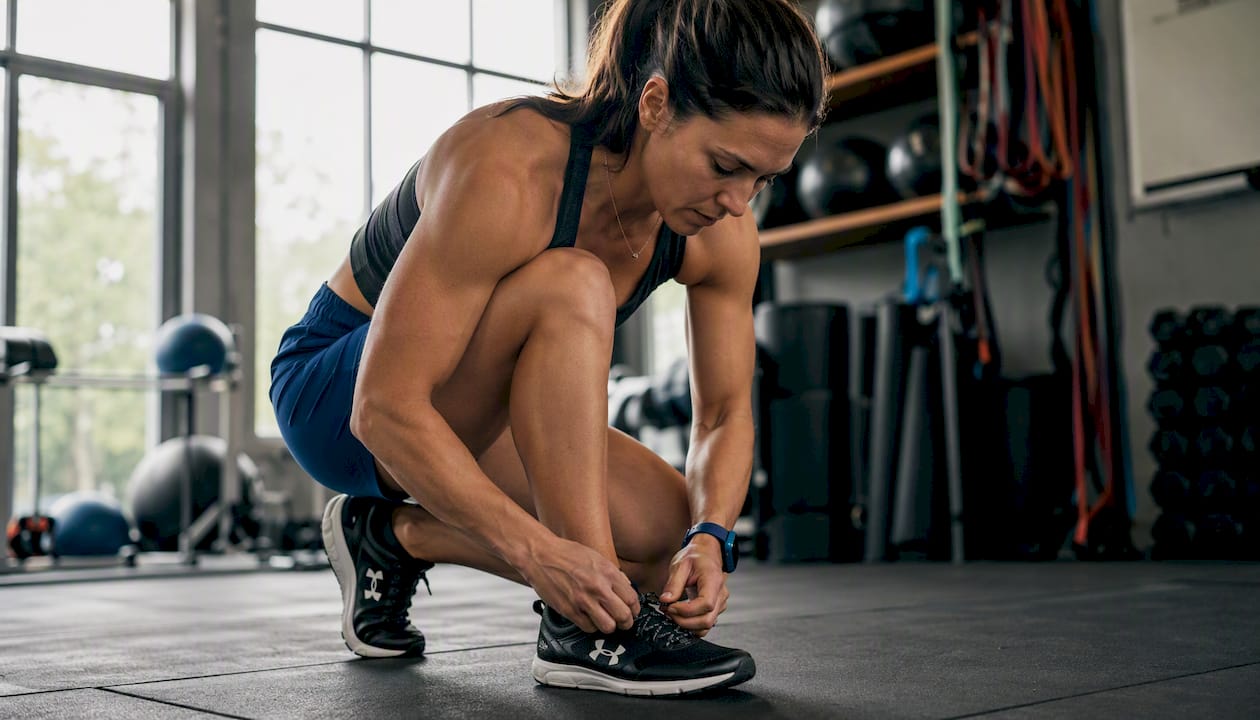
The brand’s HeatGear and ColdGear fabric systems remain genuinely useful for athletes training in variable conditions. Under Armour tends to price slightly below Nike on comparable items, which makes it a practical pick for high-volume training gear.
Best for: football, baseball, training, cold-weather performance Price tier: mid-range, widely available
Adidas
Adidas competes with Nike across nearly every American sport category, and its athlete partnerships with WNBA stars like Candace Parker and NBA players like Damian Lillard give it strong visibility in basketball. The brand’s Boost cushioning technology, developed for running, has crossed into lifestyle and training footwear with measurable energy-return benefits.
Adidas has also been more aggressive than most brands on sustainability commitments, including its Parley line made from ocean plastic. For American athletes who factor environmental impact into purchasing decisions, that matters.
Best for: running, basketball, training, lifestyle Price tier: mid to premium, widely available
New Balance
New Balance’s resurgence is one of the more interesting stories in American athletic gear. The brand, still partly manufactured in the United States, has signed Coco Gauff and positioned itself as the choice for athletes who prioritize fit precision over brand status. Its Fresh Foam and FuelCell cushioning systems are well-regarded in the running community, and its 990 series has become a genuine crossover between performance and lifestyle.
The brand’s willingness to invest in women’s-specific lasts and width options sets it apart from brands that simply scale down men’s designs.
Best for: running, tennis, lifestyle Price tier: mid to premium, specialty and direct retail
Lululemon
Lululemon started as a yoga brand and became something more specific: the preferred training apparel for athletes who move between disciplines. Its ABC pants and Everlux fabric have found their way into NFL locker rooms and CrossFit boxes. The brand’s Mirror home gym acquisition (later sold) and its growing footwear line signal a push into full performance territory.
For women athletes especially, Lululemon’s attention to seam placement and compression mapping has made it a go-to for high-intensity training where fit directly affects movement.
Best for: training, yoga, lifestyle crossover, women-specific performance Price tier: premium, direct and specialty retail
Champion
Champion has been making American athletic apparel since 1919, and its reverse weave hoodie is still one of the most copied silhouettes in sportswear. The brand supplies gear to college athletic programs across the country and has maintained credibility with athletes who want durability without the premium price tag.
Its recent collaborations with streetwear labels have brought it back into cultural conversation, but its core value remains the same: heavy, well-constructed basics that hold up through a full season of training.
Best for: training basics, college athletics, lifestyle Price tier: value to mid-range, widely available
Saysh
Allyson Felix founded Saysh after a public dispute with Nike over maternity protections, and the brand she built is a direct response to a gap she experienced as an athlete. Saysh’s FemiformityFIT technology engineers footwear around women’s foot shape and biomechanics rather than adapting men’s designs. That means different last shapes, adjusted density mapping, and seam placement calibrated for how women’s feet actually move.
Felix’s founding story is one of the clearest examples of athlete-led product innovation in recent memory. The brand is smaller than the giants on this list, but its focus is sharper than most.
Best for: women’s performance footwear, lifestyle Price tier: mid to premium, direct retail
TB12 / NoBull
Tom Brady’s TB12 brand focused on pliability-based recovery and performance, and after its wind-down, Brady consolidated his performance identity around NoBull, a training footwear and apparel brand that reached a reported $1 billion valuation and signed athletes including Livvy Dunne. NoBull’s aesthetic is minimal and its products are built for functional fitness, CrossFit, and training environments where gear needs to perform across multiple movement patterns.
The brand’s trajectory illustrates how athlete equity deals work in practice: Brady’s involvement shifted NoBull’s visibility and valuation simultaneously.
Best for: functional fitness, CrossFit, training Price tier: mid to premium, direct retail
Teamjhall
Teamjhall is a performance lifestyle brand built around a specific set of values: confidence, family, faith, loyalty, and consistency. Its product line covers hats, hoodies, t-shirts, joggers, and leggings, with performance fabrics and inclusive sizing designed for athletes who compete and live in the same gear. The brand’s premium athletic wear is built for competitors, creators, and everyday athletes who don’t separate their athletic identity from the rest of their lives.
What sets Teamjhall apart from the larger brands on this list is its direct-to-consumer model and its positioning as a values-driven community, not just a product line.
Best for: training, lifestyle crossover, everyday performance Price tier: premium, direct e-commerce
Market snapshot: Nike leads U.S.-based sportswear companies by market capitalization as of March 2026, confirming its position as the structural anchor of American athletic gear.
How to choose the right performance brand for your sport and body
Picking a brand isn’t just about who your favorite athlete wears. Here’s a practical checklist to match your priorities to the right label.
- Start with your sport. Running demands cushioning systems and gender-specific lasts. Court sports need lateral stability and grip. Training requires multi-directional flexibility. Identify the primary movement pattern before looking at brand marketing.
- Check for women-specific engineering. If you’re a female athlete, look for brands that build from women’s biomechanics up, not brands that resize men’s products. Saysh and New Balance are the clearest examples of genuine women’s-first design on this list.
- Match the tech to your need. Nike’s ZoomX foam suits elite runners chasing speed. Under Armour’s compression systems suit athletes managing heat and sweat. Lululemon’s Everlux fabric suits high-intensity training. Don’t pay for tech you won’t use.
- Set a realistic price ceiling. Premium brands charge premium prices, but durability often justifies the cost for athletes training daily. For high-volume training basics, Champion and Under Armour offer more value per wear than their premium competitors.
- Factor in availability and fit access. Brands sold through specialty retailers often offer better fit guidance than mass-market channels. If sizing is a concern, prioritize brands with inclusive sizing and easy return policies.
- Consider the brand’s values. Athlete-owned brands like Saysh and Teamjhall are built by people who understand performance from the inside. That shapes product decisions in ways that pure corporate brands can’t replicate.
Pro Tip: When sizing performance gear, go up half a size for running shoes and true-to-size for compression training apparel. Performance fabrics that feel slightly snug in the store will conform to your body after the first two or three wears.
Why athlete-owned and women-focused brands are changing the game
The shift from endorsement deals to equity stakes is one of the most significant structural changes in American sports apparel. Historically, athletes signed contracts to wear a brand’s gear and appear in its ads. The brand kept the product decisions, the margins, and the long-term value. Athlete-owned and athlete-backed brands flip that model.
Roundups of athlete-owned businesses consistently show that Jordan Brand, Saysh, and TB12/NoBull are among the most cited examples of athletes who moved from endorser to architect. When an athlete holds equity or co-founds a brand, they influence material choices, sizing decisions, and marketing direction across the product’s entire lifespan, not just during a campaign cycle.
The women-focused biomechanics trend is a separate but related development. For decades, women’s athletic footwear was designed by scaling down men’s lasts, which meant narrower heels, different arch profiles, and mismatched density maps. Saysh’s FemiformityFIT technology is the most direct public response to that gap: footwear engineered from women’s foot shape and movement data rather than adapted from men’s templates. The practical result is better fit, reduced injury risk, and gear that actually performs the way it’s supposed to during competition.
Performance apparel is moving in the same direction. Fabric density, seam placement, and compression mapping calibrated for women’s movement patterns create gear that behaves more like a second skin during high-intensity training. Lululemon and New Balance have both invested in this area, though Saysh remains the clearest example of a brand built entirely around that principle.
Pro Tip: When evaluating women’s performance footwear, ask specifically whether the brand uses a women’s-specific last or a scaled men’s last. That single question will tell you more about fit quality than any marketing claim.
Which brand should you start with?
Different athletes need different things. Here’s a fast decision guide.
- Best for elite speed and running: Nike, specifically the Vaporfly or Alphafly line for racing and the Pegasus for daily training
- Best for court athletes: Jordan Brand for basketball; Adidas for players who want Boost cushioning and a broader width range
- Best for recovery and functional fitness: NoBull for training environments; TB12’s recovery philosophy for athletes focused on pliability and longevity
- Best for women-specific performance: Saysh for footwear built from women’s biomechanics; Lululemon for training apparel with genuine compression mapping
- Best value for everyday training: Champion for durable basics; Under Armour for compression and climate-control fabrics at a mid-range price
- Best lifestyle-to-performance crossover: Teamjhall for athletes who want premium gear that works in the gym and reads as a values statement outside it
Key Takeaways
Nike, Jordan Brand, and Saysh represent the three most distinct models in American athletic gear: corporate scale, athlete cultural legacy, and athlete-founded biomechanics-first design.
| Point | Details |
|---|---|
| Nike leads by market cap | Nike is the largest U.S.-based sportswear company by market cap as of March 2026. |
| Athlete ownership reshapes products | Equity-based brands like Saysh and NoBull give athletes direct influence over design and materials. |
| Women’s biomechanics is a real differentiator | Brands using women-specific lasts and density maps outperform scaled-down men’s designs for female athletes. |
| Match tech to sport first | Cushioning, compression, and fabric systems vary by brand; choose based on your primary movement pattern, not marketing. |
| Teamjhall for values-driven performance | Teamjhall offers premium fabrics and inclusive sizing for athletes who want gear aligned with a performance lifestyle identity. |
The signal these brands are actually sending
The conventional take on athletic brand rankings is that market cap and endorsement rosters tell the whole story. They don’t.
What’s actually happening in American performance apparel is more interesting. The brands gaining ground aren’t just the ones with the biggest ad budgets. They’re the ones where athletes had a real problem, built a real solution, and then put their name on it in a way that meant something. Allyson Felix didn’t start Saysh because she wanted a side business. She started it because the gear she needed didn’t exist. Tom Brady’s involvement with NoBull isn’t a vanity deal; it’s a continuation of a philosophy he built his career around.
That shift matters for anyone buying performance gear. When an athlete holds equity in a brand, the product decisions are different. The sizing is different. The materials are different. The brand isn’t optimizing for a demographic; it’s solving a problem the founder actually had.
Teamjhall fits into that same logic. A performance lifestyle brand built on specific values, for athletes who compete and live by those values, is a different product than a corporate label that licenses an athlete’s name for a season. The gear reflects the identity, not just the sport.
Teamjhall gear built for athletes who compete and live in it
The brands on this list set the standard for performance apparel at the elite level. Teamjhall brings that same performance-first thinking to athletes who don’t have a corporate sponsor but still train, compete, and carry their athletic identity into everything they do.
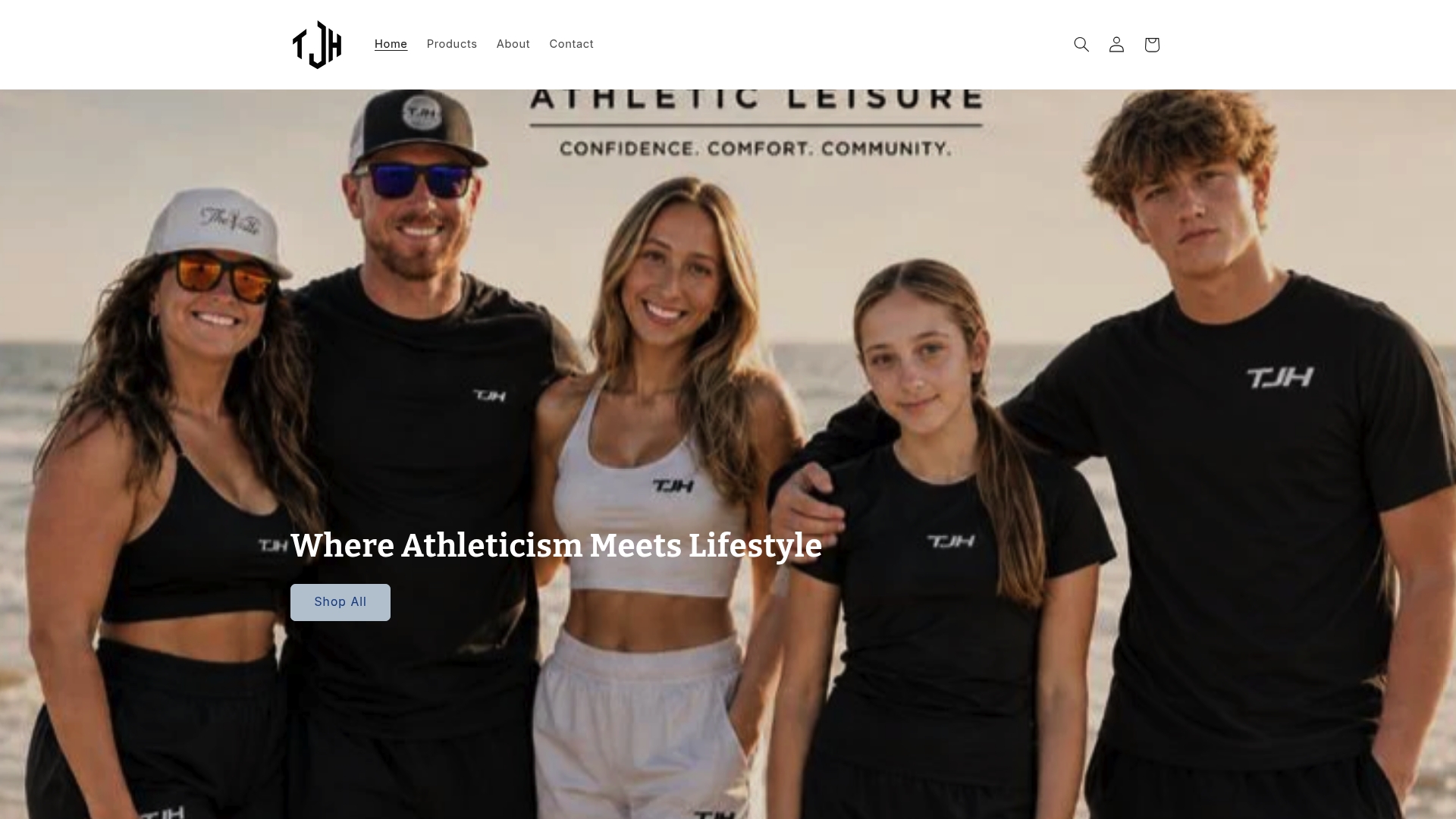
The product line covers the full range of training and lifestyle needs: the UA Ladies Athletic Tee for women who want performance fabric without sacrificing fit, the UA Men Cold Infrared Jacket for cold-weather training and recovery layers, and the Game Over Neon Hoodie for athletes who want a lifestyle piece that still performs. All products are built with inclusive sizing and premium fabrics designed to move with you, not against you. Browse the full collection at Teamjhall and find the gear that matches how you compete.
Useful sources and further reading
The claims and brand profiles in this article draw from the following sources.
“Nike leads U.S.-based sportswear companies by market capitalization as of March 2026, confirming its structural dominance in American athletic gear.” — Statista, March 2026
- Statista: Leading U.S.-based sportswear companies by market cap — authoritative market data for brand scale comparisons
- Highsnobiety: The 25 Best Sports Brands in the World — editorial roundup covering brand stories, signature lines, and athlete partnerships
- Teamjhall store — brand positioning, product categories, and performance lifestyle context