
Hoodie Sizing Guide: Measure and Pick the Right Size
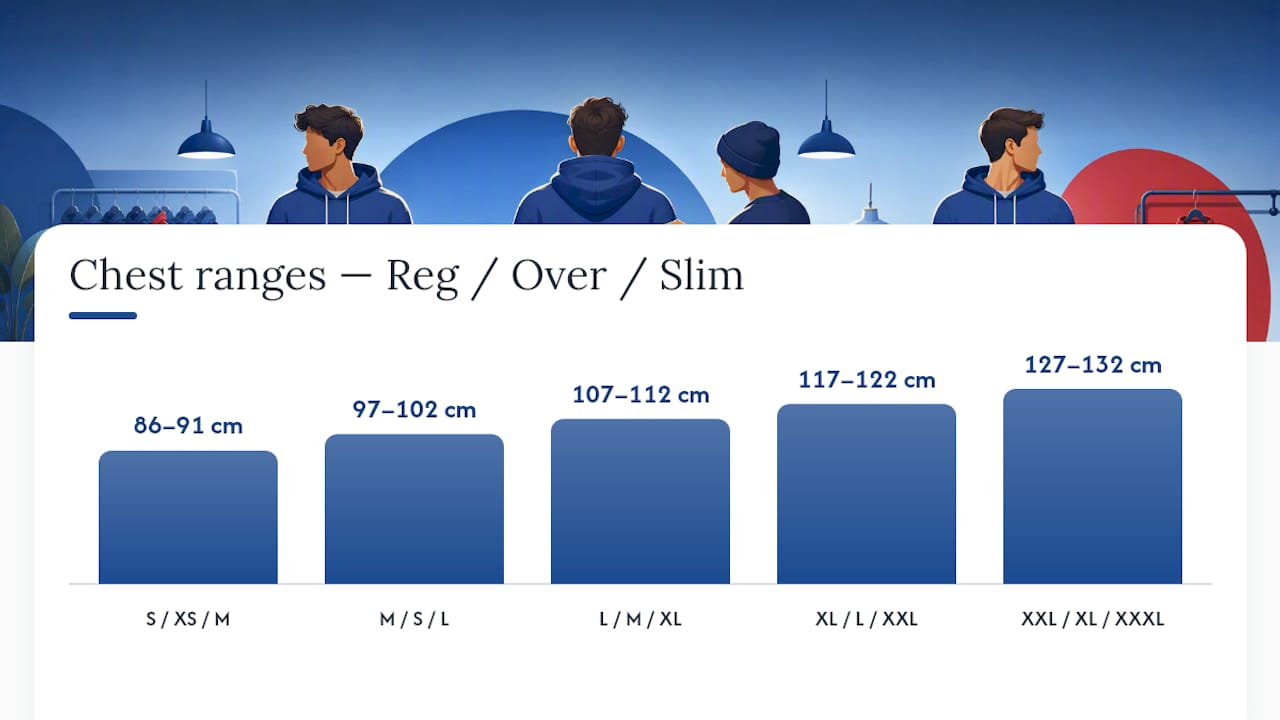
Measure your chest, then match it to this quick chart. For a regular fit, your labeled size should give you 4–6 inches of ease over your body chest measurement. For oversized, expect 4–6 additional inches of garment width at the same label. For slim or athletic, aim for just 1–2 inches of ease.
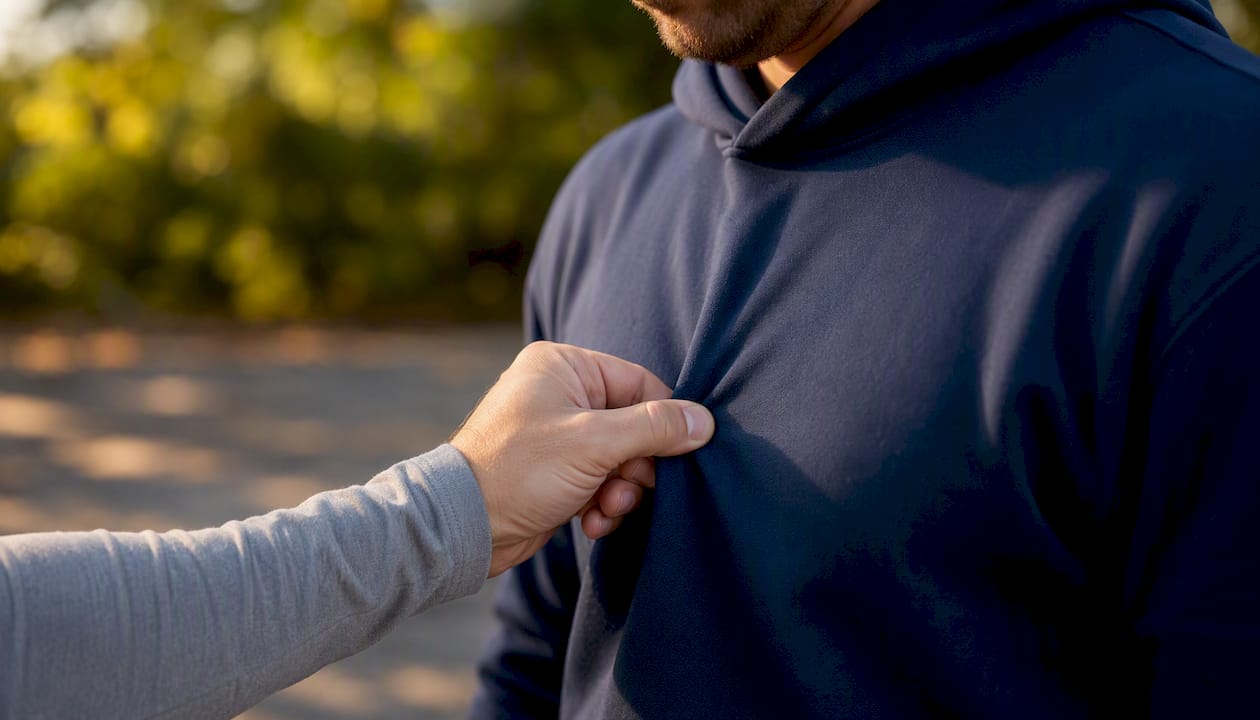
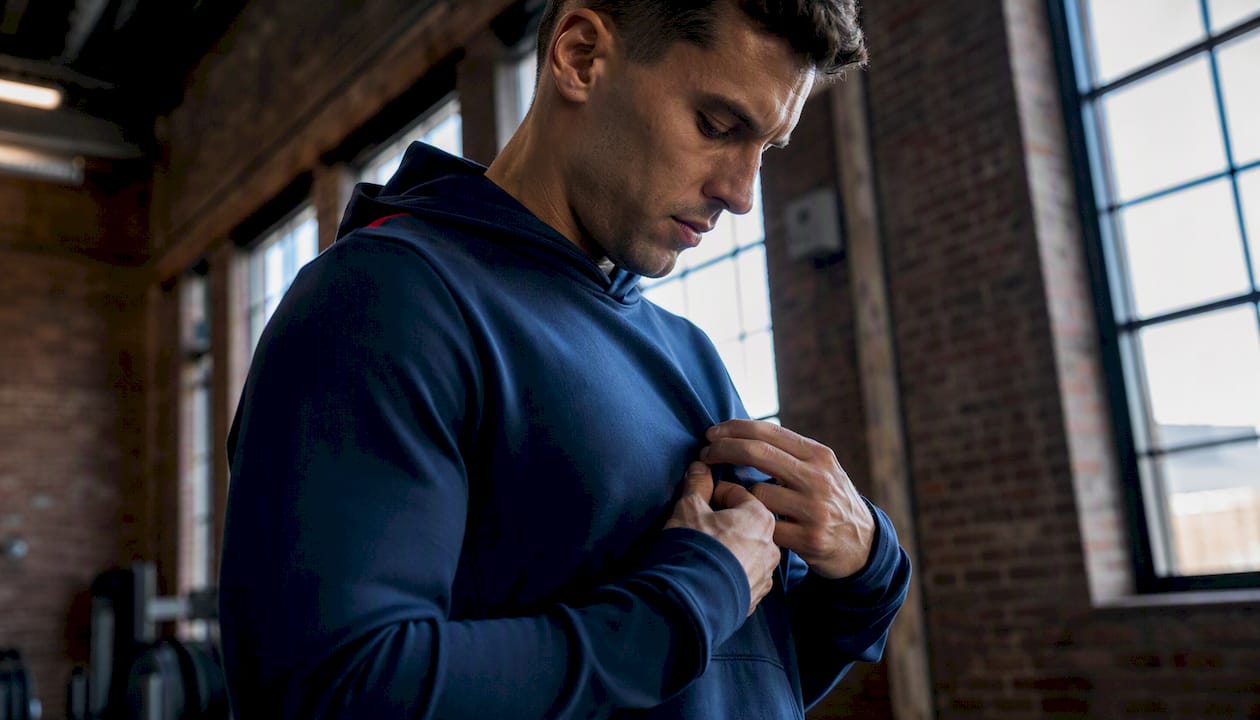
The pinch test is your fastest on-body check: grab the fabric at your chest after putting the hoodie on. A regular fit should give you 1–2 inches of pinch. Less than that and you’re in slim territory; more than 3 inches and you’re heading oversized. If you plan to layer a shirt or jacket underneath, size up one from your regular pick.
Key Takeaways
Measure your chest or a hoodie you already own, decide your desired fit, then match the garment’s pit-to-pit number to your target ease range.
| Point | Details |
|---|---|
| Measure chest or a flat garment | Use pit-to-pit doubled as full chest; compare to your body measurement plus desired ease. |
| Target ease by fit style | Regular = 4–6 in of ease; oversized = 8–10 in; slim/athletic = 1–2 in over body chest. |
| Size up for heavyweight or layering | Fabrics at 400+ GSM feel tighter; size up one for heavyweight fleece or a base layer underneath. |
| Trust garment specs, not labels | A brand’s “L” varies; always match pit-to-pit numbers to your measurement, not the letter. |
| Teamjhall product pages | Each listing shows pit-to-pit by size; use those numbers to confirm your size before ordering. |
Table of Contents
- Full hoodie sizing charts and measurement definitions
- How to measure yourself and a hoodie you already own
- How hoodie style changes the size you should pick
- How fabric weight and care affect the size you should order
- Converting measurements and mapping chest size to labels
- Common sizing problems and quick fixes
- Teamjhall sizing: how our hoodies are built and what to expect
- Teamjhall hoodies: built to fit the way you train and live
- Sources
Full hoodie sizing charts and measurement definitions
The table above covers the essentials. Here’s the complete picture, including body length and sleeve measurements, drawn from representative industry pullover specs.
These are representative figures. Always cross-check against the specific product page before ordering.
What each measurement means:
- Pit-to-pit (chest width): Lay the hoodie flat. Measure straight across the chest from one armhole seam to the other. Double this number to get the full chest circumference the garment fits.
- Full chest: The doubled pit-to-pit figure. According to MFG Merch’s hoodie size chart, hoodies typically add 4–6 inches of ease over your body chest measurement, which is more than a fitted tee.
- HPS (High Point Shoulder) / body length: Measured from the top of the shoulder seam (where it meets the collar) straight down to the hem. This tells you how long the hoodie sits on your torso.
- Center-back sleeve length: Measured from the center back of the collar, across the shoulder, and down to the cuff. Useful for comparing across brands because it accounts for shoulder width differences.
- Shoulder seam: On a regular or slim hoodie, this seam should sit at the edge of your shoulder bone. On an oversized or drop-shoulder cut, it falls lower, sometimes to the mid-upper arm.
Unisex vs. women’s cuts: Women’s hoodies typically run narrower through the chest and shorter in body length at the same labeled size. A women’s L often matches a unisex S or M in chest width. If you’re shopping a unisex style and prefer a fitted look, drop one size from your usual women’s label.
How to measure yourself and a hoodie you already own
Two methods work. Use whichever gives you numbers faster.
Method A: Measure a hoodie or shirt you already love. Lay it flat on a hard surface, smooth out any wrinkles, and measure pit-to-pit, body length from HPS, and sleeve length. Match those numbers to the product’s size chart. This approach is the fastest and most reliable because you’re comparing garment to garment, not guessing how your body measurement translates to a brand’s interpretation of “medium.” A community-sourced Reddit hoodie sizing spreadsheet reinforces this: experienced buyers consistently advocate measuring actual pieces over trusting label names.
Method B: Measure your body. You’ll need a soft measuring tape.
- Chest circumference: Wrap the tape around the fullest part of your chest, just under your armpits. Keep it level and snug but not compressing. This is your body chest measurement.
- Waist: Measure around your natural waist (about an inch above your navel). Useful for cropped styles.
- Height: Stand straight against a wall. Relevant for sleeve length and body length fit.
Once you have your body chest, add 4–6 inches for a regular fit, or 8–10 inches for oversized, and find the labeled size whose full chest (doubled pit-to-pit) lands in that range.
Pro Tip: Always smooth the garment completely flat on a hard table before measuring. Fabric bunched on a soft surface like a bed can add half an inch of error per measurement, which is enough to push you into the wrong size.
How hoodie style changes the size you should pick
Silhouette is the variable most people ignore, and it’s the one that matters most. Topology Apparel’s hoodie fit guide defines the three main constructions clearly: slim uses a set-in sleeve, regular sits 1–2 cm wider than your shoulder bone, and oversized uses a drop shoulder with a noticeably larger chest width.
- Regular fit: Target 4–6 inches of ease over your body chest. Your labeled size from the chart above should land you there without any adjustment.
- Oversized / streetwear: At the same labeled size, an oversized hoodie adds roughly 4–6 inches of chest width compared to a regular cut. If you want an extreme drop-shoulder look, size up one from your regular label. Check that the body length also suits you — oversized pieces often run longer.
- Slim or athletic cut: Reduce your ease target to 1–2 inches. Check the shoulder seam placement carefully; on a set-in sleeve, it should sit right at the edge of your shoulder bone. If you’re planning to wear a base layer underneath or the fabric is a heavyweight fleece, size up one.
- Cropped styles: Size by chest as normal, but confirm body length separately. A cropped hoodie like the Saints Short Hoodie is intentionally short; the chest measurement still drives the size, but the hem will sit higher than a standard pullover regardless of size.
Pro Tip: For athletic use, prioritize shoulder seam placement and sleeve length over chest ease. A hoodie that binds at the shoulder during a workout is uncomfortable no matter how the chest fits. Check out how to choose athletic gear for any workout for more on matching fit to activity.
How fabric weight and care affect the size you should order
Fabric is a silent fit variable. Two hoodies with identical pit-to-pit measurements can feel completely different depending on what they’re made of.
- GSM (grams per square meter): Heavier fleece resists stretch and drapes with less give. A 400+ GSM construction can feel noticeably tighter at the same chest width as a 280 GSM piece. Arklavo’s sizing guide recommends sizing up for heavyweight (400+ GSM) garments or 100% cotton blanks that are prone to shrinkage.
- Shrinkage: Cotton and cotton-blend fleeces can shrink vertically when machine-dried on high heat. If you’re ordering a 100% cotton hoodie and plan to machine-dry it, size up one to account for expected length loss. Cold wash and air-dry or low heat preserves fit best.
- Ribbing and cuffs: Strong, tight ribbing at the hem and cuffs pulls the garment in and makes it feel smaller than the chest measurement suggests. Weak or stretched-out ribbing does the opposite. If a hoodie has heavy ribbing, factor that into your ease calculation.
- Structured streetwear: Topology recommends a GSM range of 350–420g for structured streetwear silhouettes that hold their shape without feeling stiff.
Pro Tip: *Check the fabric composition before ordering, not after.
Converting measurements and mapping chest size to labels
1 inch = 2.54 cm. To convert your chest measurement from centimeters to inches, divide by 2.54.
| Body Chest (in) | Body Chest (cm) | Regular Fit Label | Oversized Label | Slim/Athletic Label |
|---|---|---|---|---|
| — | 86–91 cm | S | XS | M |
| — | 97–102 cm | M | S | L |
| — | 107–112 cm | L | M | XL |
| — | 117–122 cm | XL | L | XXL |
| — | 127–132 cm | XXL | XL | XXXL |
Label sizing varies by brand. A “large” from one manufacturer can measure the same as an “extra-large” from another. Always match your numbers to the garment’s actual pit-to-pit spec rather than trusting the letter on the tag.
Common sizing problems and quick fixes
How do I know my hoodie size? Measure your chest circumference or measure a hoodie you already own laid flat. Match the pit-to-pit number to the size chart for the specific product you’re ordering.
Should I get L or XL? Use your measured chest plus your intended fit. If you’re between sizes, pick the larger size for layering or an oversized look, and the smaller for a closer fit. The pinch test settles it on your body: 1–2 inches of pinch at the chest means regular fit; less means slim, more means oversized.
Is hoodie size the same as shirt size? Usually close, but hoodies carry more ease than fitted tees. A shirt labeled medium typically has less chest width than a hoodie labeled medium. Check the garment specs, not just the label.
What if the sleeves are too short? Check the center-back sleeve measurement before ordering. If you have long arms, look for tall sizing options or brands that list sleeve length separately. Sleeve length should end at the wrist bone for a standard fit.
Teamjhall sizing: how our hoodies are built and what to expect
Teamjhall is a performance lifestyle brand built for athletes, creators, and active families. Every hoodie is designed with both gym and everyday wear in mind, which means the fit specs are intentional, not generic.
How to match your measurements to Teamjhall products:
- Pull up the product page for the specific hoodie you want, such as the Unisex Dragon Hoodie or the TJH Hoodie King.
- Find the listed pit-to-pit or chest width for each size.
- Compare that number to your body chest measurement plus your desired ease (4–6 in for regular, 8–10 in for oversized, 1–2 in for slim/athletic).
- If you fall between two sizes, consider your intended use: size up for layering or a relaxed look, size down for a sharper athletic silhouette.
Model reference (representative example):
| Model Height | Model Chest | Size Worn (Regular) | Size Worn (Oversized) |
|---|---|---|---|
| 6’1" | 40 in | M | S |
Model stats are listed on individual product pages. Check each product listing for the specific model reference used in that shoot.
If you’re unsure, Teamjhall’s returns policy lets you exchange for a different size. Review the policy on the store page before ordering so you know your options before the package arrives.
What fit actually tells you about a hoodie
Most sizing guides stop at the chart. Here’s what they skip: the size you pick should reflect the look you want first, and the measurement second. Decide whether you want a clean athletic silhouette or a relaxed streetwear drop before you open a size chart. That decision changes your target ease by 6–8 inches, which is the difference between two labeled sizes.
For athletic use, I default to slim or regular fit with a set-in sleeve. It moves with you and doesn’t bunch under a jacket. For lifestyle wear, I lean oversized, one size up from my regular label, because the drop shoulder and extra length read better off the court than a fitted medium does. Neither choice is wrong. The mistake is picking a size without knowing which look you’re building toward.
Teamjhall hoodies: built to fit the way you train and live
Teamjhall hoodies are cut for people who move. Whether you’re training, competing, or just wearing something that holds up, the fit specs on every product page give you the exact pit-to-pit and body length numbers you need to order with confidence.

Browse the full collection at Teamjhall, where each product lists garment measurements by size so you can match your numbers directly. If the fit isn’t right after it arrives, the returns process is straightforward. Check the store page for current policy details before you order, so there’s no guesswork at checkout.
Sources
These resources let you cross-check garment specs and sizing methods independently.
- Hoodie Size Chart - MFG Merch
- Hoodie Size Chart (Pullover Measurements by Size) – Arklavo
- The Ultimate Hoodie Size Chart Guide : Slim, Regular, & Oversized Fits – Topology Apparel
- How a Hoodie Should Fit a Man: A Complete Fit Guide 2026