

How to Choose the Right Athletic Gear for Any Workout
Choosing the right athletic gear means selecting clothing and equipment that support your movement, comfort, and personal style without getting in your way. The wrong fit, fabric, or footwear does not just feel bad. It slows you down, causes injury, and kills motivation. A practical buying framework starts with fit and comfort, then checks material quality and durability before brand or style. Teamjhall builds every piece around this exact principle: performance first, style second, and never the other way around.
How to choose the right athletic gear: the core framework
The single most important factor when selecting athletic wear is fit. Clothing that fits correctly supports your body without requiring constant adjustment. If you are always pulling up your leggings or shifting your waistband mid-set, the fit is not right. That distraction costs you focus and, over time, costs you results.
Fabric is the second pillar. Technical fabrics like nylon, polyester, and elastane blends improve performance and durability by wicking sweat away from your skin, allowing airflow, and holding their shape after repeated washing. Cotton feels soft at rest but absorbs moisture and stays wet, which makes it a poor choice for any workout that raises your heart rate.
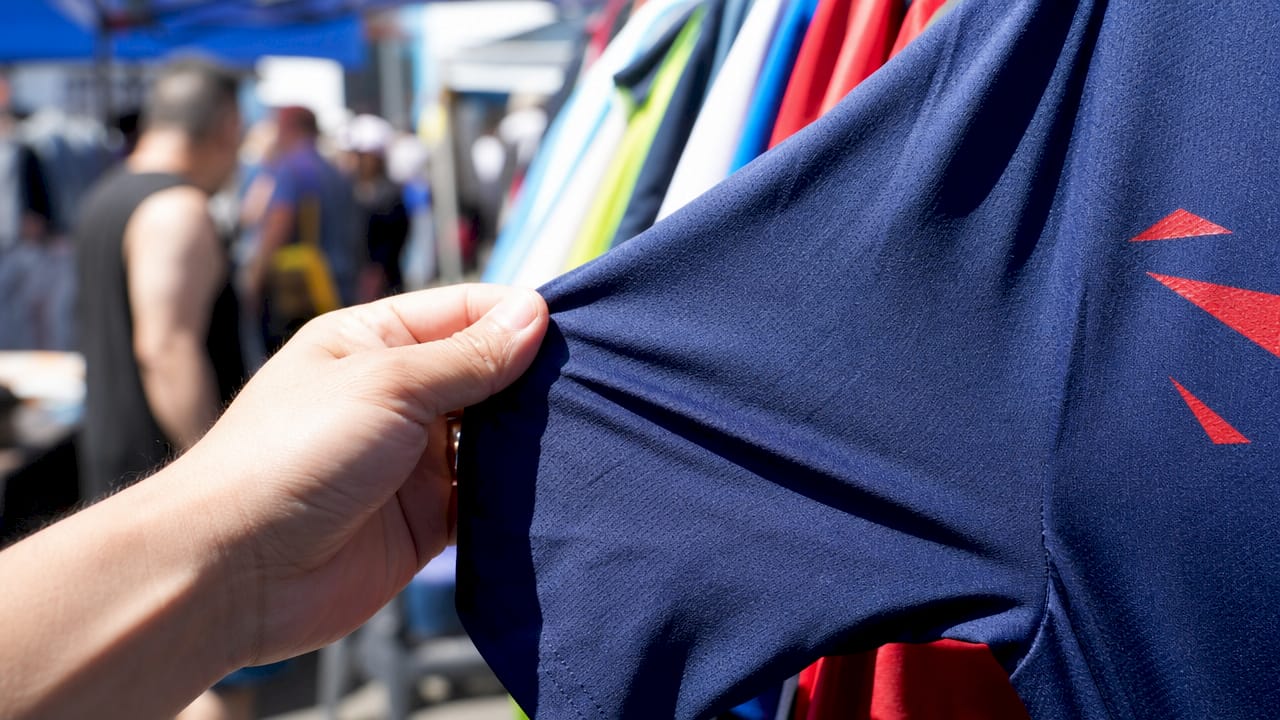
Function is the third pillar. Every piece of gear should match the demands of your specific activity. Running shorts need lightweight fabric and a secure waistband. Yoga pants need four-way stretch and opacity. Weight training gear needs freedom of movement at the shoulders and hips. Buying gear that does not match your activity is the most common and most expensive mistake beginners make.
Here are the key factors to evaluate before any purchase:
- Fit: No pressure points, no bunching, no constant readjustment
- Fabric: Moisture-wicking, breathable, and shape-retaining after washing
- Seam placement: Flat seams away from friction zones to prevent chafing
- Waistband stability: Stays in place during squats, lunges, and jumps
- Activity match: Features aligned with your specific sport or workout style
- Durability: Holds color and shape through multiple wash cycles
Pro Tip: Before buying, move in the gear. Squat, reach overhead, and bend forward. If anything shifts, gaps, or digs in during those three movements, put it back.
What gear does each activity actually require?
Different activities demand different athletic gear features, including fit, fabric, and functionality. A single pair of leggings will not serve you equally well in a hot yoga class and a trail run. Understanding what each workout demands saves money and prevents discomfort.
Yoga, Pilates, and stretching sessions require soft, stretchy fabrics with minimal compression. Four-way stretch fabric lets you move through a full range of motion without restriction. Seams should sit flat against the body since floor work creates direct contact between fabric and skin for extended periods.
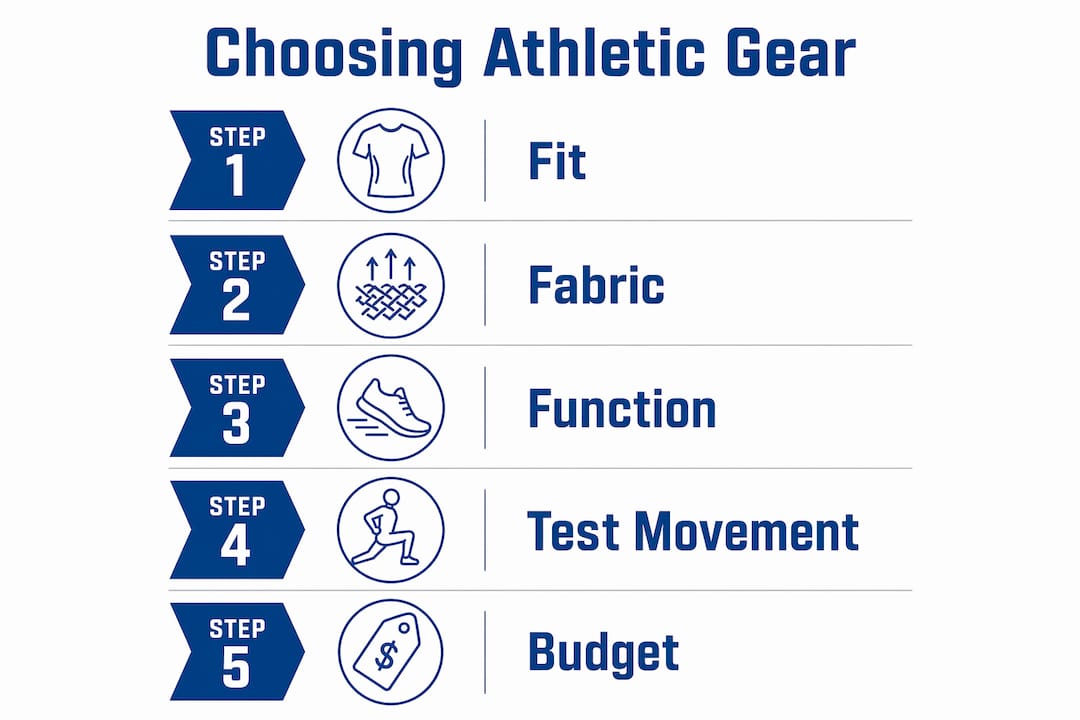
High-intensity gym training and strength work demand more structure. Compression shorts and fitted tops reduce muscle vibration and keep fabric out of the way during loaded movements. Pockets matter here too. Storing a phone or key during a gym session without a secure pocket is a constant annoyance that disrupts focus.
Running and outdoor activities add environmental demands. Quick-drying, lightweight fabrics handle sweat and weather. Reflective details matter for early morning or evening runs. Hiking gear needs durability and layering options since temperature shifts are unpredictable on a trail.
| Activity | Fabric priority | Fit style | Key feature |
|---|---|---|---|
| Yoga / Pilates | Soft, 4-way stretch | Fitted, minimal compression | Flat seams, opacity |
| Gym training | Moisture-wicking, durable | Structured, supportive | Secure pockets, compression |
| Running | Lightweight, quick-dry | Streamlined | Reflectivity, ventilation |
| Hiking / outdoor | Durable, layerable | Relaxed to fitted | Weather resistance |
| Athleisure / daily wear | Soft, shape-retaining | Relaxed | Versatility, style |
Athleisure sits in its own category. Gear designed for casual and daily wear should still meet a basic comfort standard, meaning breathable fabric and a fit that works whether you are sitting at a desk or walking to a coffee shop. The best athletic gear for everyday use earns its place by working across multiple contexts.
How should you budget and prioritize your gear investment?
Amateur athletes should prioritize affordability and comfort over brand names, with investment calibrated to training intensity. That principle holds whether you are just starting out or rebuilding a worn-out wardrobe. Spending $200 on a branded hoodie before you own a reliable pair of training shoes is a budget mistake that hurts your actual performance.
A clear priority order makes spending decisions easier:
- Footwear first. Shoes affect posture, injury prevention, and performance. Fit matters more than brand for footwear selection. A shoe that fits perfectly from day one beats a premium brand that requires a break-in period. Replace worn shoes before they start affecting your gait.
- Core apparel second. Invest in two to three reliable pairs of training bottoms and tops that match your primary activity. These are the items you wear every session, so durability and comfort justify spending more.
- Supportive gear third. Sports bras, compression sleeves, and activity-specific socks fall here. These items directly affect comfort and injury prevention during training.
- Style and accessories last. Hoodies, casual layers, and branded pieces are worth buying once your core wardrobe is covered. They add motivation and identity without replacing function.
Investing in mid-tier durable gear rather than top brands yields better long-term value for most athletes. A $40 pair of leggings that survives 80 wash cycles outperforms a $120 pair that pills after 20. Quality is defined by seam strength and shape retention, not price tags.
Pro Tip: Before buying anything new, check your current gear. If a piece still fits well, wicks moisture, and has no structural damage, it does not need replacing. Gear that still performs is gear worth keeping.
How do you check gear quality and make it last?
The best way to evaluate gear quality before buying is to examine the seams. Flatlock seams prevent chafing by avoiding raised stitching in contact areas. This matters most during floor exercises, long runs, and any activity where fabric rubs skin repeatedly. A garment with poor seam placement will cause discomfort regardless of how good the fabric is.
Beyond seams, check these quality indicators before purchasing:
- Opacity test: Hold the fabric up to light. If it is see-through, it will be see-through during a squat. This applies to leggings and shorts equally.
- Stretch recovery: Pull the fabric and release it. Quality fabric snaps back immediately. Fabric that stays stretched out will sag and lose shape within weeks.
- Waistband stability: Fold the waistband over and check the elastic. A wide, reinforced waistband stays in place during dynamic movement. A thin elastic band rolls and digs in.
- Stitching density: More stitches per inch means stronger seams. Loose stitching unravels faster under repeated stress.
- Sports bra support: The band should sit flat against your ribcage with no riding up. Straps should not dig into shoulders during overhead movements.
Caring for gear correctly extends its life significantly. Wash athletic wear in cold water on a gentle cycle. Avoid fabric softener since it coats moisture-wicking fibers and reduces their effectiveness. Air dry whenever possible. Heat from a dryer degrades elastane over time, which is the fiber responsible for stretch and shape retention. Athletic longevity in your wardrobe starts with how you care for what you already own.
The best gear feels almost invisible during movement. When clothing fits correctly and fabric performs as designed, you stop thinking about what you are wearing and start focusing on what you are doing. That mental shift is where real performance gains happen.
Key Takeaways
Choosing the right athletic gear requires matching fit, fabric, and function to your specific activity before considering brand or price.
| Point | Details |
|---|---|
| Fit is the foundation | Gear that requires constant adjustment is the wrong size, regardless of brand or price. |
| Fabric drives performance | Moisture-wicking nylon, polyester, and elastane blends outperform cotton for any active workout. |
| Activity dictates features | Yoga needs stretch and flat seams; running needs quick-dry fabric and reflectivity. |
| Budget by priority | Invest in footwear and core apparel first; add style pieces only after essentials are covered. |
| Quality lives in the seams | Flatlock seams and strong stretch recovery are the clearest signs of durable, well-made gear. |
What I have learned about gear that actually works
I have watched people spend serious money on the wrong things. A $150 branded hoodie worn to the gym once. Leggings bought because they looked good in a photo but sagged through the first workout. The pattern is always the same: style led the decision, and function was an afterthought.
The truth is that confidence in workouts comes from feeling good in gear that balances practical support and style, not from expensive labels. When your gear fits correctly and does not distract you, you train harder and more consistently. That consistency compounds over months and years into real results.
What I tell anyone building a workout wardrobe from scratch is this: buy for your actual week, not your ideal week. If you train three days a week, you need three reliable outfits, not ten. Choosing gear for your real routine prevents overbuying and keeps your focus on training, not shopping.
Versatility matters more than most people realize. A well-fitted athletic tee that works for gym training, a casual walk, and a weekend errand run earns its place in your wardrobe every single day. A niche piece that only works for one specific activity needs to justify that limitation with exceptional performance. Most of the time, it does not.
Buy less. Buy better. Move more. That is the framework that actually works.
— Jason
Teamjhall athletic wear built for real performance
Teamjhall designs athletic apparel for competitors, creators, and everyday athletes who need gear that performs as hard as they do. Every piece balances function and style without asking you to choose between the two.
The UA Ladies Athletic Tee delivers breathable, moisture-wicking performance for active women who want comfort without sacrificing style. The UA Men Cold Infrared Jacket handles cold-weather training and post-workout recovery with equal confidence. For women who want versatile layering options, the TJH Women’s Athletic Tank works across workout intensities and casual wear. Shop the full Teamjhall store to build a core wardrobe that supports every session, every week.
FAQ
What fabric is best for athletic wear?
Moisture-wicking fabrics like nylon, polyester, and elastane blends are the best choice for athletic wear. They pull sweat away from skin, allow airflow, and hold their shape after repeated washing.
How do I know if athletic gear fits correctly?
Gear fits correctly when it supports your body without requiring adjustment during movement. If you are pulling up waistbands or shifting fabric mid-workout, the fit is off.
Should I prioritize brand name or fit when buying athletic gear?
Fit and function always take priority over brand name. A well-fitting mid-tier piece outperforms an ill-fitting premium one in both comfort and performance.
How do flatlock seams improve athletic wear comfort?
Flatlock seams sit flush against the skin with no raised stitching, which prevents chafing during high-movement activities like running, floor exercises, and weight training.
How often should I replace athletic gear?
Replace gear when it loses shape retention, shows visible seam damage, or no longer wicks moisture effectively. Proper cold-water washing and air drying extend the life of most athletic apparel significantly.