

Types of Sports Training Programs in the USA: 2026 Guide
Sports training programs in the USA are organized across five distinct categories that align with an athlete’s age, skill level, and competitive goals. Whether you are a 15-year-old playing recreational soccer or a 35-year-old competitor chasing peak performance, the program type you choose shapes your development more than any single workout. The industry term for this structured approach is athlete development, and models like Long-Term Athlete Development (LTAD) and the American Development Model (ADM) now guide how the best programs in the country are built. Choosing the right program is not about finding the most expensive option. It is about matching the training structure to where you are right now.
1. What are the types of sports training programs in the USA?
Sports training programs in the USA fall into five key categories: recreational leagues, school-based programs, club sports, travel teams, and specialty programs like camps and academies. Each category serves a different athlete profile, from beginners looking for fun to serious competitors chasing college scholarships or professional careers. Understanding these categories is the fastest way to make a smart program decision.
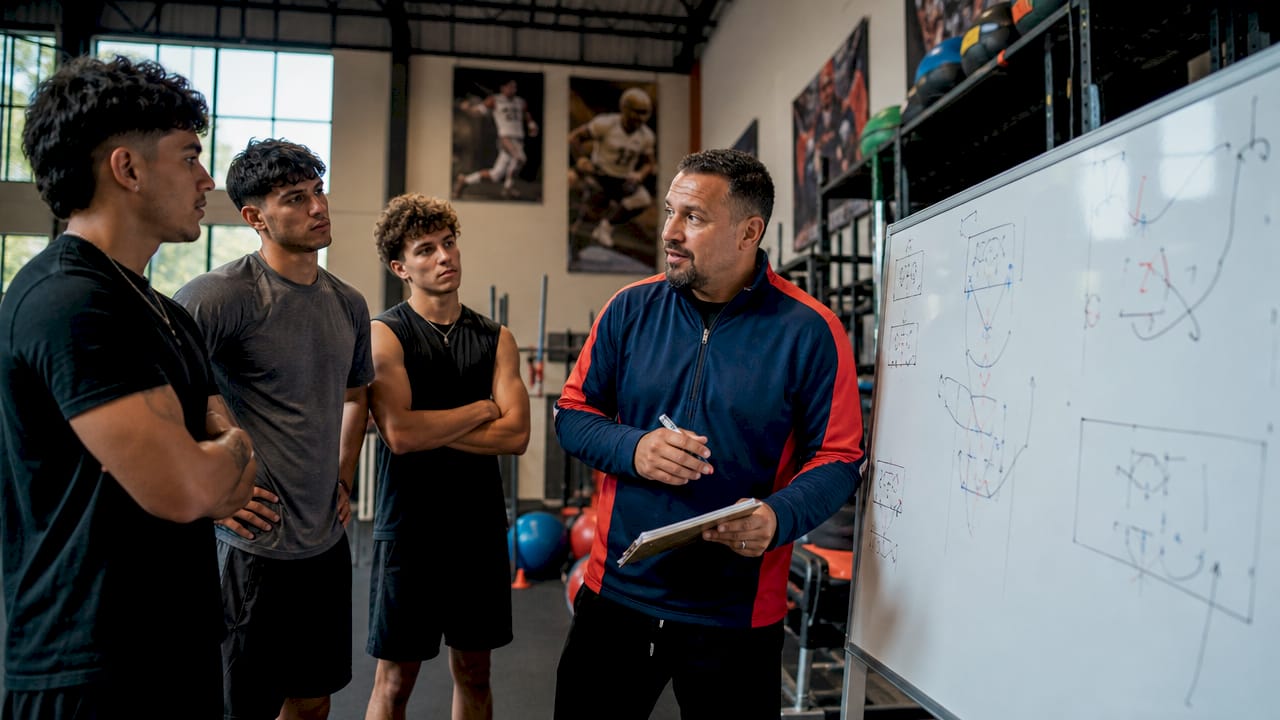
2. Recreational leagues and school-based programs
Recreational leagues are the entry point for most American athletes. They prioritize participation over competition, carry low fees, and require no tryouts. Seasonal fees typically range from $25 to $100, making them the most accessible fitness training option in the USA for families on a budget. The goal is exposure, movement, and fun.
School-based programs operate under state athletic associations with formal eligibility rules. These programs offer structured coaching, team competition, and a built-in social environment. They are governed by bodies like the National Federation of State High School Associations (NFHS), which sets rules on practice hours, academic standards, and player safety. School sports remain one of the most consistent athlete development pathways for teenagers aged 14 to 18.
Pro Tip: If you are new to organized sports, start with a recreational league for one season before committing to a school team. The lower pressure environment lets you identify your strongest sport before specializing.
3. Club sports and travel teams
Club sports require competitive tryouts and carry affiliations to national governing bodies like US Soccer, USA Basketball, or USA Swimming. Annual costs for club soccer alone run from $1,500 to $5,000, covering coaching, tournament fees, and travel. That investment reflects a higher level of coaching quality, structured training plans, and exposure to regional and national competition.
Travel teams sit at the next level of commitment. These programs compete regionally or nationally, often requiring weekend travel and a year-round schedule. The training volume is significantly higher than recreational or school programs. Athletes on travel teams typically follow personalized training plans that address individual skill gaps alongside team tactics.
- Club sports provide access to certified coaches and national governing body resources.
- Travel teams expose athletes to higher competition levels that accelerate development.
- Both formats require a serious time and financial commitment from athletes and families.
- Multi-sport participation is still recommended at younger ages before committing fully to one club program.
4. How do specialty camps, clinics, and training academies work?
Specialty camps and clinics are short-term, high-intensity programs focused on specific skill development. The key distinction between a participation camp and a true development academy is structure. A participation camp keeps athletes active and entertained. A high-impact development program maps a progression pathway with measurable skill checkpoints and consistent performance feedback.
One elite soccer summer program ran 12 on-field technical sessions plus 8 performance sessions over 3 weeks for $500, with mental training add-ons available. That structure delivers more targeted development than a full season of recreational play. Duration, session density, and feedback quality are the three factors that separate elite academies from basic camps.
“The difference between a camp and a training program is whether athletes leave with measurable improvement or just memories.” — Legacy of Legends
The El Paso Locomotive FC elite summer program takes this further by offering same-day video feedback on every on-field session. Athletes and coaches review footage the same evening, allowing immediate technique corrections. That feedback loop compresses months of gradual improvement into weeks.
- Identify whether the camp uses a mapped development pathway or just fills time with drills.
- Ask if video review or performance testing is included.
- Check coach credentials and their affiliation with national governing bodies.
- Confirm the ratio of technical sessions to fitness and mental training sessions.
- Look for post-camp performance reports or skill assessments.
5. What are full-time annual training programs?
Full-time annual programs are year-round commitments that combine technical, physical, and mental training into a single integrated system. The Montoya Tennis 2026–27 annual program features 12–18 hours of weekly training, combining individual on-court sessions, daily fitness work, mental training, tournament planning, and academic support. That volume and variety reflects what serious athlete development actually requires.
| Component | Frequency | Purpose |
|---|---|---|
| On-court/field technical sessions | Daily | Skill execution and tactical development |
| Fitness and conditioning | Daily | Strength, speed, and endurance base |
| Mental training | Weekly | Focus, resilience, and competition mindset |
| Tournament planning | Monthly | Competition exposure and performance review |
| Academic support | Ongoing | Balance between sport and education |
These programs are designed for athletes who have already identified their primary sport and are ready to commit to structured, year-round development. The combination of components matters because improving only skill execution without building physical or cognitive capacity limits long-term success.
Pro Tip: Before enrolling in a full-time program, request a sample weekly schedule. If fitness and mental training are not built into the weekly structure, the program is a technical camp with a premium price tag.
Resistance training within these programs should follow evidence-based protocols. Research synthesizing findings from 137 systematic reviews with over 30,000 participants confirms that loads at or above 80% of one-rep maximum, performed for 2–3 sets at least twice per week, produce the strongest strength outcomes. That means full-time programs with vague or generic conditioning blocks are leaving performance gains on the table.
6. How do LTAD and ADM shape sports training program design?
Athlete development models are the frameworks that determine how programs are structured by age and stage. The Long-Term Athlete Development (LTAD) model uses 7 distinct stages from early childhood through retirement. The American Development Model (ADM) compresses this into 5 phases and includes an explicit guideline recommending late specialization for most sports, with age 14 as a key threshold.
| Model | Stages/Phases | Key Principle | Specialization Guidance |
|---|---|---|---|
| LTAD | 7 stages | Age-appropriate training and competition | Late specialization recommended |
| ADM | 5 phases | Multi-sport participation and athlete wellness | Specialize after age 14 for most sports |
Both models emphasize multi-sport participation in early years. Early specialization before age 12 is linked to higher injury rates and athlete dropout. Programs that follow LTAD or ADM frameworks build load management into their design, controlling training volume and recovery periods based on growth windows rather than adult performance standards.
The practical impact is significant. A 13-year-old in an ADM-aligned program trains differently from a 20-year-old in the same sport. Volume, intensity, and recovery fractions are all adjusted to match the athlete’s developmental stage. Programs that ignore these models and simply scale down adult training loads put young athletes at risk of burnout and overuse injuries.
Knowing whether a program follows an evidence-based development model is one of the most important questions you can ask before enrolling. Ask the program director directly. If they cannot name the framework they use, that tells you something important about their approach.
Key takeaways
The most effective sports training programs in the USA match their structure, volume, and feedback systems to the athlete’s developmental stage and specific performance goals.
| Point | Details |
|---|---|
| Five core program categories | Recreational leagues, school programs, club sports, travel teams, and specialty academies each serve a different athlete profile. |
| Development models matter | LTAD and ADM frameworks guide age-appropriate training loads and reduce injury and dropout risk. |
| Feedback quality separates programs | Elite camps with same-day video review produce faster technique gains than activity-only programs. |
| Full-time programs need all three components | Technical, fitness, and mental training must all be present for year-round programs to deliver real results. |
| Resistance training has clear protocols | Loads at or above 80% one-rep maximum with at least 2 sessions per week produce the strongest strength outcomes. |
What I have learned about picking the right program
After years of watching athletes at every level make program decisions, the pattern is clear. Most athletes pick programs based on reputation or cost rather than structure. That is the wrong filter.
The first question to ask is whether the program has a mapped development pathway with checkpoints. A program that cannot show you how an athlete progresses from month one to month twelve is an activity provider, not a development system. The second question is whether feedback is built into the sessions. Video review, performance testing, and regular coach evaluations are not extras. They are the mechanism that turns practice into improvement.
The hardest lesson I have seen play out repeatedly involves adolescent athletes copying adult training loads. Applying adult resistance training volumes to a 14-year-old body without adjusting for growth windows is a fast path to overuse injuries and burnout. The ADM and LTAD models exist precisely to prevent this. Programs that follow them are not being soft. They are being smart about long-term athlete health.
The best program for you is not the most expensive or the most prestigious. It is the one that matches your current developmental stage, gives you structured feedback, and builds all three components: skill, fitness, and mental capacity.
— Jason
Teamjhall gear built for athletes who train seriously
Athletes who commit to structured training programs need apparel that keeps up with the work. Teamjhall is a performance lifestyle brand built for competitors, creators, and everyday athletes who show up consistently and chase greatness in every area of life.

Whether you are grinding through a full-time annual program or pushing through a summer intensive, the right gear matters. The TJH Men’s Performance Tee and TJH Women’s Athletic Tank are built for high-output training sessions. For women training through strength and conditioning blocks, the TJH Padded Sports Bra delivers the support you need without sacrificing movement. Shop the full Teamjhall collection and wear what your training deserves.
FAQ
What are the main types of sports training programs in the USA?
The five main types are recreational leagues, school-based programs, club sports, travel teams, and specialty programs like camps and academies. Each serves a different athlete profile based on age, skill level, and competitive goals.
What is the difference between a sports camp and a training academy?
A sports camp focuses on activity and participation, while a training academy follows a mapped development pathway with measurable skill checkpoints and performance feedback. Elite academies also include fitness and mental training components alongside technical sessions.
What is the ADM model and why does it matter for youth sports?
The American Development Model (ADM) is a 5-phase framework that guides age-appropriate training, competition, and recovery for young athletes. It recommends multi-sport participation and late specialization, with age 14 as the key threshold for most sports, to reduce injury and dropout rates.
How many hours per week do full-time sports programs require?
Full-time annual programs typically require 12–18 hours per week, combining technical sessions, daily fitness work, mental training, and tournament preparation. The Montoya Tennis 2026–27 program is one documented example of this structure.
How do I know if a strength and conditioning program is right for my sport?
Match the program’s goal to your primary adaptation target. Strength development requires loads at or above 80% of one-rep maximum with at least 2 sessions per week. Hypertrophy requires higher weekly volume of 10 or more sets. A program that cannot specify its adaptation goal is not built for serious athlete development.