

What Is Cultural Identity in Fashion: A Complete Guide
Cultural identity in fashion is defined as the way clothing and style communicate cultural values, social norms, and group belonging beyond simple utility. Scholars in cultural studies call this concept “semiotic expression,” meaning garments carry shared meanings that others in a culture can read and interpret. Both tangible elements like traditional garments and intangible elements like symbolic messages shape this expression. Understanding what is cultural identity in fashion matters because the clothes you choose signal who you are, where you come from, and what you stand for, often before you say a single word.
What is cultural identity in fashion and how does it work?
Cultural identity in fashion operates as a full language system, not just personal taste. Roland Barthes established this framework in The Fashion System, arguing that style elements function as signs interpreted within a shared social code. A garment’s silhouette, pattern, color, and cut each carry meaning that a cultural group collectively understands. This means fashion is never purely private. It is a public, socially negotiated act.
Think about how a kente cloth wrap signals Ghanaian heritage, or how a leather jacket signals rebellion in Western youth culture. Neither meaning is accidental. Both emerged from decades of shared cultural practice and reinforced social storytelling. The garment becomes a carrier of collective memory.
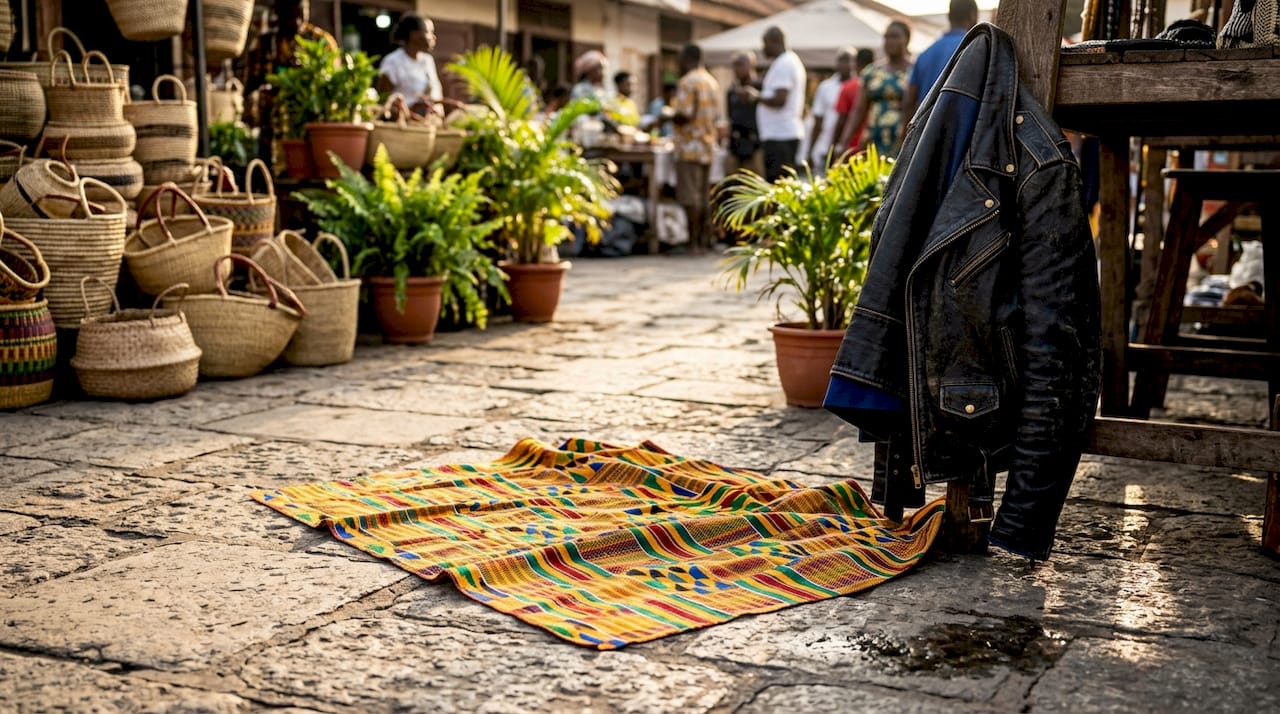
This semiotic framework applies to everyday dress too. A team jersey, a hijab, a business suit, or a pair of Air Jordans all communicate cultural codes. Each one tells a story about group membership, values, and social position. The person wearing it participates in a conversation that the whole culture is having.
Pro Tip: When you want to understand a culture’s fashion codes, study what is worn for ceremonies, protests, and rites of passage. Those are the moments when clothing carries its heaviest cultural meaning.
Style elements that carry cultural codes
- Silhouette: Loose, draped forms in many South Asian and West African traditions signal modesty, spirituality, or community belonging.
- Patterns and textiles: Tartan in Scottish culture, batik in Indonesian tradition, and Navajo geometric prints each encode specific lineage and regional identity.
- Color: White signals mourning in several East Asian cultures while it signals purity in Western wedding traditions. The same color, two opposite meanings.
- Dress codes: Formal dress in professional settings communicates social aspiration and institutional belonging. Streetwear communicates community solidarity and creative resistance.
- Accessories: Jewelry, headwear, and footwear often carry the most concentrated cultural symbolism within an outfit.
What are tangible and intangible elements of cultural identity in fashion?
Cultural identity in fashion includes two distinct layers: tangible elements you can see and touch, and intangible elements that exist in shared understanding. Both layers work together to produce meaning. Separating them helps you analyze why a garment carries the cultural weight it does.
Tangible elements are the physical objects. A kimono, a dashiki, a sari, a kilt. These are garments with specific construction, fabric, and visual identity tied to a place and people. Textiles matter here too. Hand-woven fabrics, natural dyes, and embroidery techniques passed down through generations carry the fingerprints of cultural labor and knowledge.
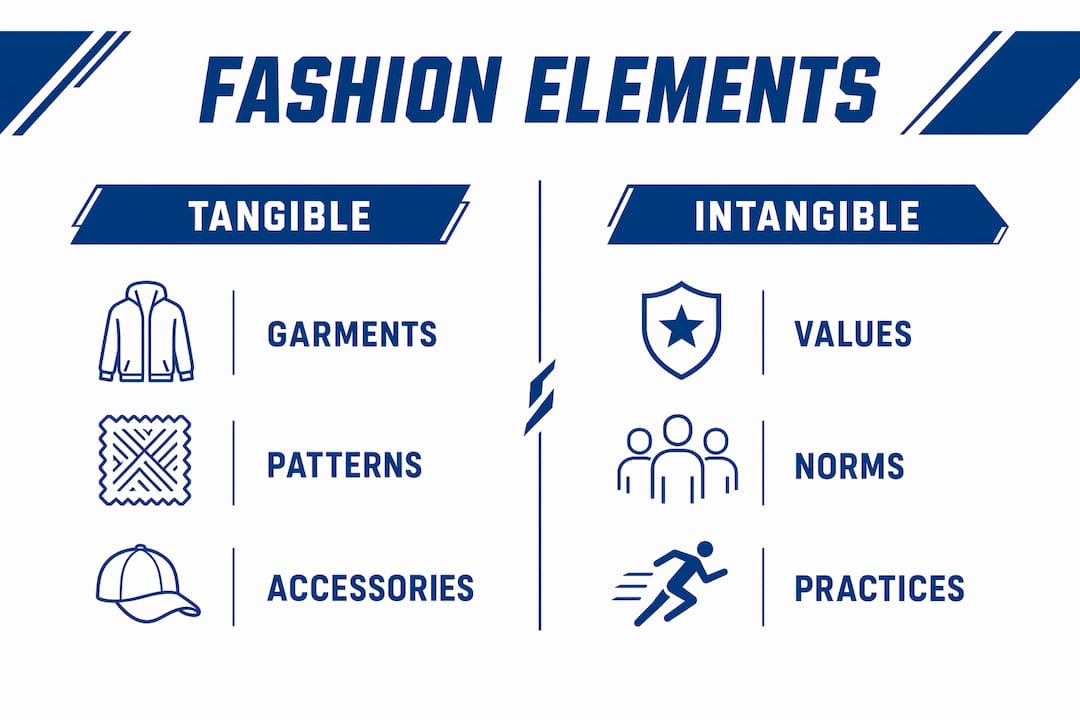
Intangible elements are harder to see but equally powerful. They include the social values that govern what is shown or concealed in dress, the norms around modesty or display, and the symbolic messages that a community agrees a garment carries. A white lab coat does not just cover a body. It signals expertise, authority, and institutional trust. That meaning lives in the culture, not the fabric.
Cultural practices also evolve. Hybridization happens when communities blend elements from multiple traditions, producing new forms that carry layered meanings. A Nigerian bride wearing a traditional gele headwrap with a Western-style gown is not confused about her identity. She is expressing its full complexity.
| Point | Details |
|---|---|
| Tangible elements | Physical garments, textiles, patterns, and accessories tied to specific cultural origins |
| Intangible elements | Social values, visibility norms, symbolic messages, and shared cultural agreements about meaning |
| Hybridization | Blending of traditions produces new forms that express layered or evolving cultural identity |
| Context dependence | The same garment can signal heritage, religion, or politics depending on wearer and setting |
How does globalization shape cultural identity through fashion?
Globalization drives hybrid fashion trends by blending elements from multiple cultures through media and technology. This cross-cultural exchange accelerates identity negotiation and produces new visual languages. A teenager in Seoul wearing vintage American workwear alongside traditional Korean color palettes is not abandoning one identity for another. She is building a third one.
Digital platforms have amplified this process dramatically. Social media gives individuals and communities the power to shape cultural narratives and control their own representation in ways that were impossible before. A designer in Lagos can reach a global audience without a Paris runway. A community in the Andes can document and share its textile traditions directly with the world.
This visibility matters most for marginalized communities. Fashion becomes a tool for cultural assertion when mainstream media has historically ignored or misrepresented a group. Wearing traditional dress in public spaces, or building a performance lifestyle brand around community values, are both acts of cultural visibility.
The challenges of cultural fluidity are real, though. When styles travel faster than their meanings, communities lose control of how their cultural symbols are read and used. That tension sits at the center of the appropriation debate.
- Hybrid styles emerge when global exchange produces new combinations that carry meaning from multiple traditions simultaneously.
- Digital amplification gives marginalized communities direct access to global audiences without institutional gatekeepers.
- Identity negotiation is the ongoing process of deciding which cultural elements to keep, blend, or set aside as contexts change.
- Visibility as resistance describes how marginalized groups use fashion to assert presence and challenge erasure.
What ethical issues arise around cultural appropriation in fashion?
Cultural appropriation in fashion involves adopting cultural aesthetics without respect for their context, history, or meaning. Academic guides note that appropriation often erases original cultural meanings and reinforces existing inequities. This is not about policing style. It is about recognizing that some cultural symbols carry sacred, political, or survival-level significance for the communities they come from.
The power dynamic is the core issue. When a dominant culture borrows from a marginalized one without credit, compensation, or comprehension, the original community loses twice. They lose control of their symbol, and they often watch someone else profit from it. A fashion house selling “tribal prints” without naming the specific culture, crediting artisans, or sharing revenue is a clear example of this harm.
Context and intention matter, but they are not enough on their own. Respectful engagement with another culture’s fashion requires understanding the significance behind the elements you are drawn to, not just their visual appeal. Appreciation involves learning, crediting, and often collaborating with members of the source culture.
- Research the origin. Know which community created the garment or pattern and what it means to them.
- Credit the source. Name the culture, the artisan, or the tradition explicitly in any public use.
- Examine the power dynamic. Ask whether your use benefits or harms the originating community.
- Seek collaboration. Work with designers and makers from the source culture rather than copying independently.
- Listen when communities object. If members of a culture say a use is harmful, that response carries more weight than your intention.
Pro Tip: Appreciation and appropriation are not separated by a checklist. They are separated by relationship. If you have no connection to a culture, start by learning before wearing.
Key Takeaways
Cultural identity in fashion is a semiotic system where garments communicate cultural values, group belonging, and social meaning through shared signs that go far beyond personal style.
| Point | Details |
|---|---|
| Fashion as language | Clothing operates as a system of cultural signs, not just personal expression, as Roland Barthes established. |
| Two layers of identity | Tangible garments and intangible social values both shape how cultural identity is expressed through dress. |
| Globalization and hybridity | Cross-cultural exchange produces new fashion forms that carry layered meanings from multiple traditions. |
| Digital visibility | Social media gives marginalized communities direct power to assert and control their cultural narratives. |
| Ethical responsibility | Respectful cultural engagement requires research, credit, and relationship, not just aesthetic appreciation. |
Why cultural identity in fashion is more personal than it looks
I have spent years watching people treat cultural fashion as a purely academic subject, something to analyze from a distance. That misses the point entirely. Every time you get dressed, you are making a statement about who you are and who you belong to. That is not abstract. That is deeply personal.
What I find most interesting is how context shifts meaning so completely. The same garment can signal heritage in one setting and political resistance in another. A Black athlete wearing natural hair and traditional African print in a professional space is making a statement that has nothing to do with aesthetics. That is cultural identity doing real work in the world.
I also think the appropriation conversation gets flattened too quickly into rules and checklists. The real question is whether you understand what you are wearing and why it matters to the people it came from. Fashion as cultural expression is a dialogue. Dialogues require listening, not just speaking.
The brands and communities I respect most treat clothing as a form of integrity. What you wear reflects what you value. That is true whether you are wearing a dashiki, a performance hoodie, or a team uniform. The question worth asking is: does your wardrobe tell the truth about who you are?
— Jason
Wear your identity with Teamjhall
Clothing that reflects who you are is not a luxury. It is a statement of values. Teamjhall builds premium athletic apparel for competitors, creators, and everyday athletes who understand that what you wear communicates your standards before you ever perform.

Every piece in the Teamjhall collection is designed around the values of confidence, family, faith, loyalty, and consistency. From the TJH Women’s Athletic Tank to the Glitchy TJH Hoodie, each item is built to signal that you belong to a community that chases greatness. Your apparel is your cultural marker. Make it count.
FAQ
What is cultural identity in fashion?
Cultural identity in fashion is the way clothing communicates cultural values, group belonging, and social meaning through shared signs. Roland Barthes described fashion as a semiotic system where garments function as culturally interpreted signs, not just personal choices.
How does culture shape fashion choices?
Culture shapes fashion by establishing shared codes around what garments mean, what is appropriate to wear, and what symbols signal group membership. These codes govern everything from color choices to silhouette preferences across different communities.
What is the difference between cultural appreciation and appropriation in fashion?
Cultural appreciation involves understanding, crediting, and respecting the meaning behind cultural garments, while appropriation involves adopting cultural aesthetics without that context or respect. The distinction centers on power, recognition, and relationship with the source community.
How do digital platforms influence cultural identity in fashion?
Digital platforms give individuals and communities direct power to construct and share cultural narratives through fashion without institutional gatekeepers. This amplifies marginalized voices and accelerates the spread of hybrid styles across global audiences.
Why does the same garment carry different meanings in different contexts?
A garment’s meaning shifts based on the wearer’s identity, intention, and social setting. A white dress signals purity in one cultural context and mourning in another, which is why fashion analysis must always account for context, not just visual appearance.