

Why Representation in Apparel Matters for Everyone
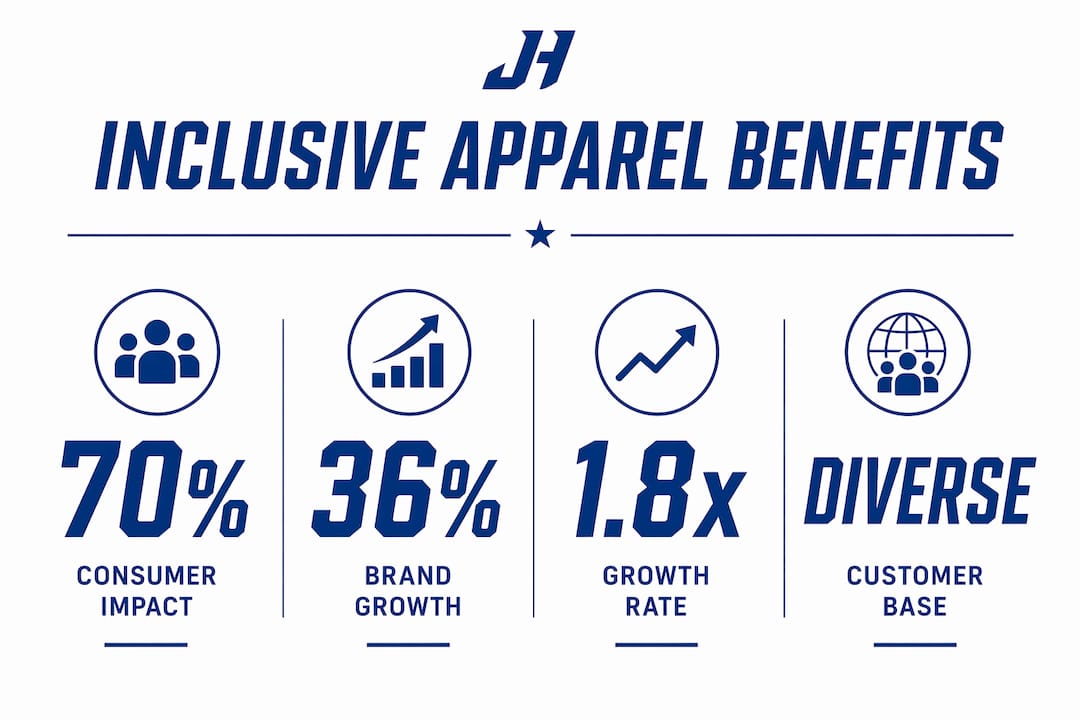
Representation in apparel is the practice of including diverse identities, body types, skin tones, and cultural backgrounds in fashion design, marketing, and production. Why representation in apparel matters goes far beyond aesthetics. When people see themselves reflected in clothing campaigns and product lines, they experience genuine validation. Brands that get this right build deeper loyalty, reach broader markets, and contribute to real social change. The data backs this up: up to 70% of new consumers say diversity in brand communication directly influences their purchasing decisions.
Why representation in apparel matters for identity and self-expression
Clothing is one of the most personal forms of self-expression humans have. When fashion imagery consistently excludes certain body types, skin tones, or cultural aesthetics, it sends a clear message about who belongs and who does not. Limited fashion imagery causes psychological harm to excluded groups by defining who counts as the social default. That harm is not abstract. It shows up in reduced self-esteem, weaker brand attachment, and a persistent sense of being an outsider in public life.
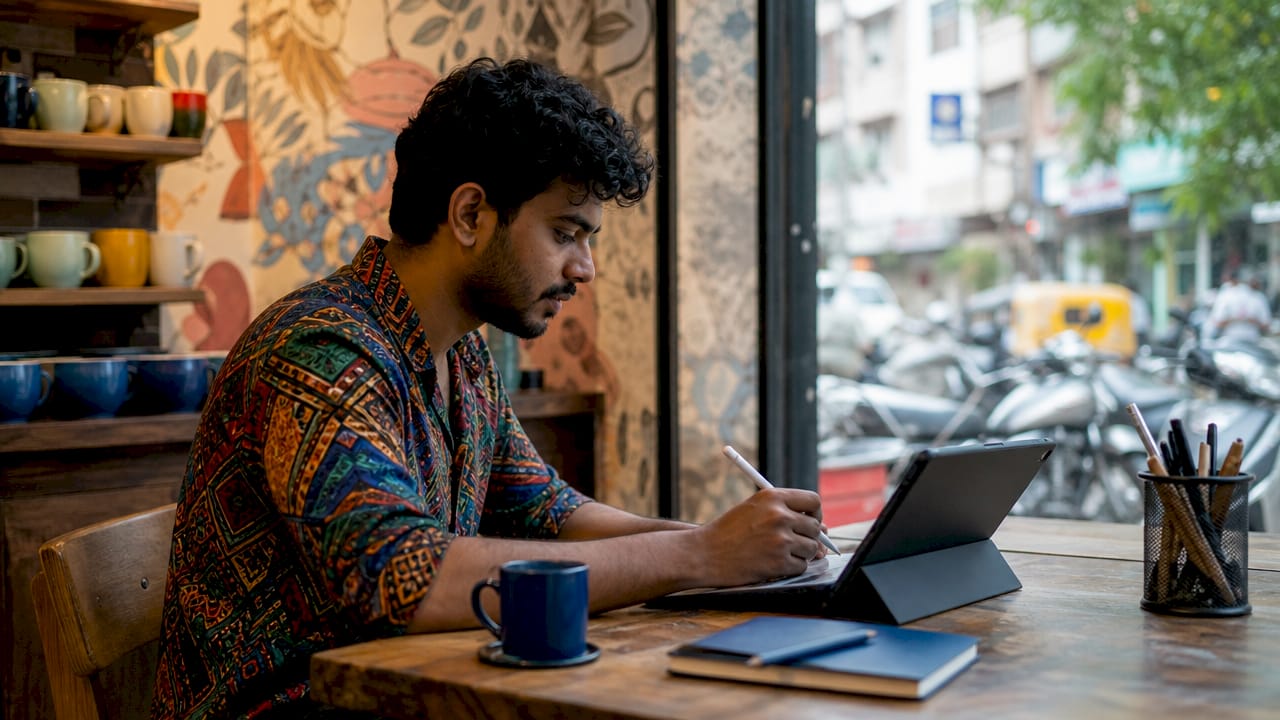
Inclusive casting does the opposite. Diverse imagery creates connection and relatability, making clothing feel attainable and real rather than exclusive and distant. When a teenager sees an athlete who looks like them wearing performance gear, the gear becomes aspirational in a healthy way. The psychological cue shifts from “this is not for me” to “this was made for me.”
The significance of representation in clothing also extends to cultural identity. Apparel that incorporates diverse cultural aesthetics, from traditional patterns to adaptive designs, tells wearers that their heritage has value. That message builds emotional connection between consumer and brand at a level that no marketing campaign can manufacture on its own.
- Seeing your body type in campaign imagery reduces the psychological cost of shopping.
- Cultural representation in design signals respect, not just visibility.
- Consistent inclusive imagery builds long-term brand loyalty, not just one-time purchases.
- Representation provides aspirational figures across demographics, not just for majority groups.
Pro Tip: When evaluating a brand’s commitment to representation, look at the full product range, not just the campaign photos. A brand that photographs diverse models but only stocks standard sizes is performing inclusion, not practicing it.
What commercial benefits do brands gain from inclusive apparel?
The business case for diversity in fashion is no longer a theory. Inclusive brands are 36% more likely to financially outperform their competitors. Diverse brands also show a growth rate 1.8 times higher than average and generate 40% higher social engagement on diverse campaigns. Those numbers reflect a market reality: the consumer base is not homogeneous, and brands that treat it as such leave money on the table.
Demographic shifts reinforce this pressure. By 2030, 23% of individuals aged 16–24 in the UK will identify as non-white, and 35% of women will be aged 55 or older. Brands that fail to reflect these demographics in their apparel lines will lose relevance with the fastest-growing consumer segments. This is not a trend. It is a structural shift in who holds purchasing power.
“Authentic representation requires structural commitment beyond casting. Brands must produce clothing that fits diverse bodies, not just use them for marketing.” — Vogue Business 2026 Size Inclusivity Report
The warning embedded in that quote matters. Performative diversity, where brands cast diverse models but fail to manufacture inclusive sizing, actively alienates customers. Extended size ranges sell through quickly when adequately supplied and made visible. The commercial opportunity is real. Brands that back inclusive imagery with actual product availability capture that demand. Brands that do not lose trust permanently.
| Commercial factor | Impact of inclusive apparel strategy |
|---|---|
| Consumer purchasing decisions | Up to 70% influenced by diversity in brand communication |
| Financial outperformance likelihood | 36% higher for inclusive brands vs. non-inclusive peers |
| Brand growth rate | 1.8 times higher than industry average |
| Social media engagement | 40% higher on diverse campaigns |
What challenges affect true representation in apparel today?
The gap between visible diversity and meaningful inclusion is wider than most brands admit. Fashion imagery has expanded visible diversity, but the aspirational model body ideal has remained stable for 25 years. More faces and skin tones appear in campaigns, but the center of gravity in body size has barely moved. Variation is driven by outliers, not by a genuine shift in industry standards.
Intersectionality adds another layer of complexity. Plus-size models are 4.5 times more likely to be non-white, which means brands often concentrate multiple diversity markers in single models rather than spreading inclusion broadly. One model carries the weight of representing several underrepresented groups simultaneously. That approach limits the actual breadth of representation while allowing brands to claim diversity credit.
The following challenges define where the industry still falls short:
- Body ideal stability. Despite broader casting, the middle body size range in fashion imagery has not meaningfully changed in a generation.
- Intersectionality concentration. Brands tend to cast models who meet multiple diversity criteria at once rather than building genuinely broad representation.
- Product availability gaps. Consumers feel pressure to lose weight to feel fashionable, and size challenges are most pronounced in luxury brands where runway diversity rarely reflects available product sizes.
- Tokenism risk. A single diverse model in a campaign does not constitute an inclusive brand. Tokenism without structural change produces backlash, not loyalty.
- Legacy constraints. Larger heritage brands face internal resistance to changing production templates, sample sizes, and supplier relationships built around narrow sizing standards.
Pro Tip: Plus-size fashion functions as cultural resistance, not just a product category. Brands that treat it as a niche miss the point entirely. Inclusive sizing is a statement about who deserves to participate in public life.
How can consumers support authentic representation in fashion?
Consumer purchasing power is the most direct lever for changing industry behavior. Brands respond to where money flows. When advocates and consumers consistently support brands that practice genuine inclusion, they create financial incentives that outlast any diversity trend cycle.
Evaluating authenticity requires looking past the marketing surface. A brand committed to real representation stocks inclusive sizes across its full product range, not just in a limited “extended” section. It features diverse models in everyday product photography, not only in seasonal campaign shoots. It designs for different body shapes structurally, meaning pattern cuts and construction methods reflect diverse proportions, not just scaled-up versions of standard templates.
- Check whether inclusive sizing is available across the full product catalog, not just select items.
- Look for brands that feature diverse models in standard product photography, not only in dedicated campaigns.
- Support independent and smaller brands, which often lead on meaningful inclusivity due to fewer legacy constraints.
- Use social media to amplify brands doing this well and call out performative efforts directly.
- Prioritize brands that invest in adaptive design for consumers with disabilities, not just size diversity.
Sustained advocacy matters more than single purchases. Following and sharing brands that practice authentic inclusion builds their visibility and signals to the broader market that this approach has an audience. The athletic mindset of consistency applies here too. One purchase is a gesture. A pattern of support is a movement.
Key Takeaways
Representation in apparel drives real commercial results, protects consumer mental health, and demands structural commitment from brands, not just diverse casting in campaigns.
| Point | Details |
|---|---|
| Representation affects purchasing | Up to 70% of new consumers say brand diversity influences their buying decisions. |
| Inclusive brands outperform | Diverse brands grow 1.8 times faster and generate 40% higher social engagement. |
| Body ideals lag behind casting | The aspirational model body ideal has not meaningfully changed in 25 years despite broader diversity. |
| Authenticity requires product backing | Inclusive imagery without inclusive sizing alienates customers and destroys trust. |
| Consumer advocacy drives change | Consistent purchasing and social support for genuinely inclusive brands shifts industry incentives. |
What I’ve learned watching representation evolve in apparel
I have watched brands announce diversity initiatives with fanfare and then quietly fail to change a single thing about their production. The campaign looks different. The clothing does not. That gap is where consumer trust goes to die.
What strikes me most is how the emotional response to authentic inclusion is immediate and unmistakable. When someone finds a brand that actually fits them, in every sense of that word, the loyalty that follows is not rational. It is visceral. They tell people. They come back. They defend the brand in conversations. No marketing budget produces that reaction. Only genuine recognition does.
The hard truth is that real representation costs something. It means redesigning patterns, renegotiating with suppliers, expanding inventory risk, and sometimes walking away from legacy aesthetics that no longer serve a diverse customer base. Smaller brands do this more readily because they have less to protect. Larger brands move slowly because the structural changes are expensive and uncomfortable.
The mental health impact of exclusion in fashion is documented and serious. Brands that understand this carry a responsibility that goes beyond commerce. The progress being made is real, but it is uneven and fragile. Sustained pressure from consumers and advocates is what keeps it moving forward.
— Jason
Teamjhall: apparel built for every competitor
Teamjhall was built on the belief that greatness does not have one body type, one background, or one look. The brand designs performance apparel for competitors, creators, leaders, and everyday athletes who refuse to be told they do not belong in the game.
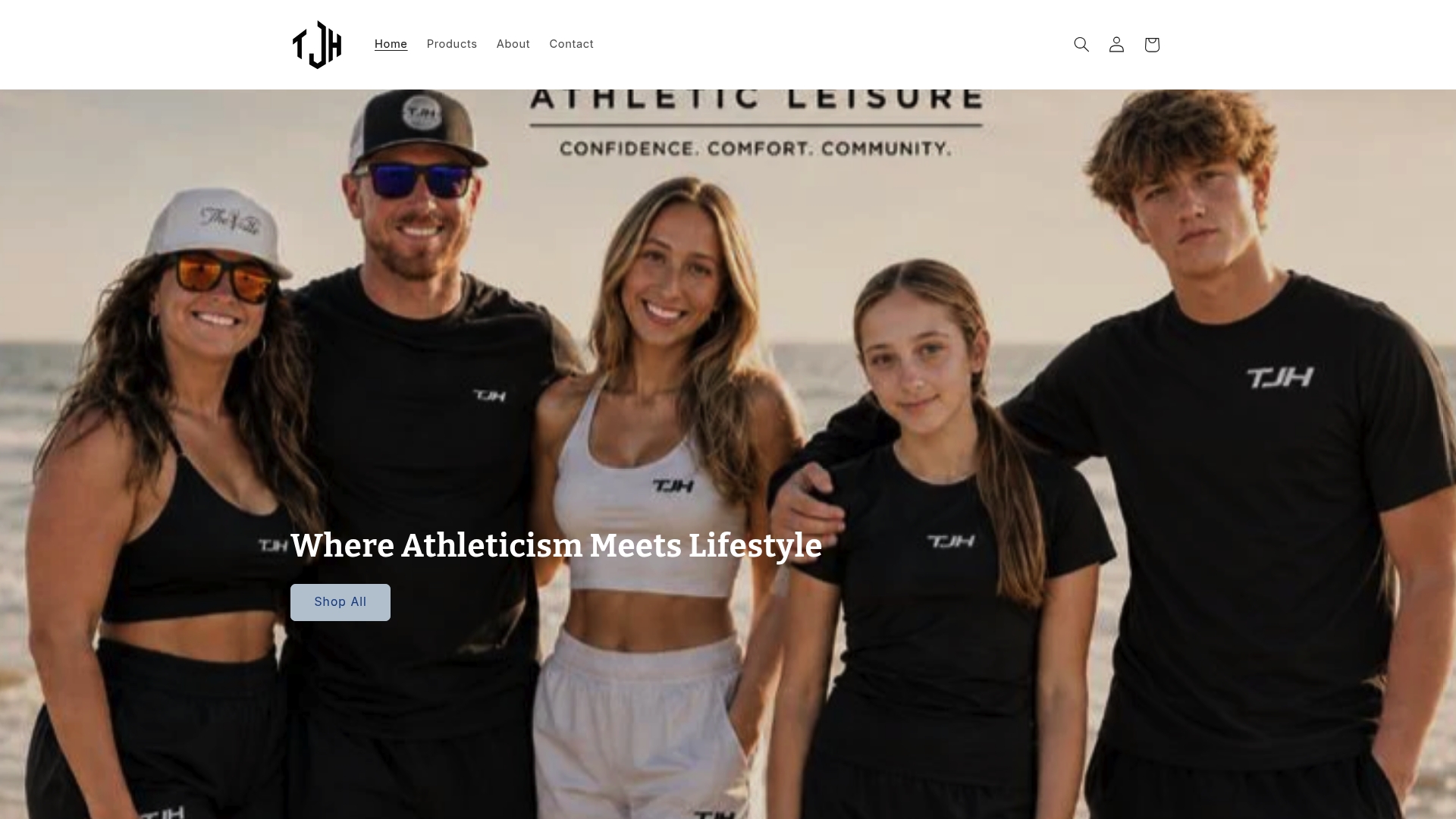
From the UA Ladies Athletic Tee to the TJH Men’s Performance Tee, every product reflects a commitment to inclusion that goes beyond the campaign. Teamjhall backs its imagery with actual product availability across a broad range of sizes and body types. That is what authentic representation looks like in practice. If you are looking for apparel that sees you as the standard, not the exception, Teamjhall is worth your attention.
FAQ
Why does representation in apparel matter for mental health?
Limited fashion imagery causes psychological harm to excluded groups by reinforcing who counts as the social default. Consistent inclusive imagery reduces that harm and builds stronger emotional connection between consumers and brands.
How does inclusive apparel affect a brand’s commercial performance?
Inclusive brands are 36% more likely to financially outperform competitors, with diverse brands growing 1.8 times faster than the industry average. Diversity in brand communication directly influences purchasing decisions for up to 70% of new consumers.
What is the difference between performative and authentic representation?
Performative representation uses diverse models in marketing without changing product design or sizing. Authentic representation means brands produce clothing that actually fits the diverse bodies featured in their campaigns.
Has the fashion industry’s body ideal actually changed?
The aspirational model body ideal has remained stable for 25 years despite broader casting diversity. Increased model variety is driven by outliers, not a genuine shift in the industry’s center standard.
How can I identify a brand that practices genuine inclusion?
Check whether inclusive sizing is available across the full product catalog and whether diverse models appear in standard product photography year-round. Brands that limit diversity to seasonal campaigns or a single “extended” section are practicing visibility, not inclusion.