

Best USA Sports Culture Clothing Brands for Fans
Teamjhall is the top pick for USA sports culture clothing. It combines performance fabrics, community-first storytelling, direct-to-consumer buying, and inclusive sizing in a way that most apparel brands simply don’t. If you want gear that works at the gym and means something off the court, start with Teamjhall. The brand spotlight below gives you the full picture, including where to shop and what to try first.
Table of Contents
- What does “USA sports culture” apparel actually mean today?
- What separates a strong USA sports-culture brand from the rest?
- How to pick the right USA sports-culture brand for your situation
- Why Teamjhall is our recommended USA pick
- How the broader USA sports-culture market is structured
- How USA sports-culture brands cover NFL, NBA, MLB, and NHL
- Sustainability and ethical manufacturing in USA sports apparel
- Key Takeaways
- Why story-driven apparel beats logo-only merch
- Teamjhall: where to start shopping
- Useful sources
What does “USA sports culture” apparel actually mean today?
The category has shifted. For most of the last two decades, “sports culture clothing” meant replica jerseys and logo tees you wore to the stadium and nowhere else. That era is fading fast.
Today, the best USA sports culture clothing brands build pieces that carry game-day identity into everyday life: a hoodie you wear to pick up your kids that still signals your team, a performance tee that moves from a morning workout to a coffee run without looking out of place. The shift is toward elevated, story-driven everyday wear rather than pure replica merchandise.
The iconic styles anchoring this category right now:
- Varsity jackets with modern silhouettes and tonal colorways
- Vintage-logo tees with washed or distressed finishes
- Coach jackets in team colors worn as outerwear, not just sideline gear
- Performance hoodies that double as lifestyle pieces
Market-awareness data from Statista shows the leading sportswear names reach north of 90% unaided awareness among U.S. consumers. That concentration means most shoppers already know the big names. What they’re looking for now is something that goes deeper: a brand with a story, a community, and clothes worth wearing every day.
What separates a strong USA sports-culture brand from the rest?
Five things actually matter when you’re evaluating any brand in this space.
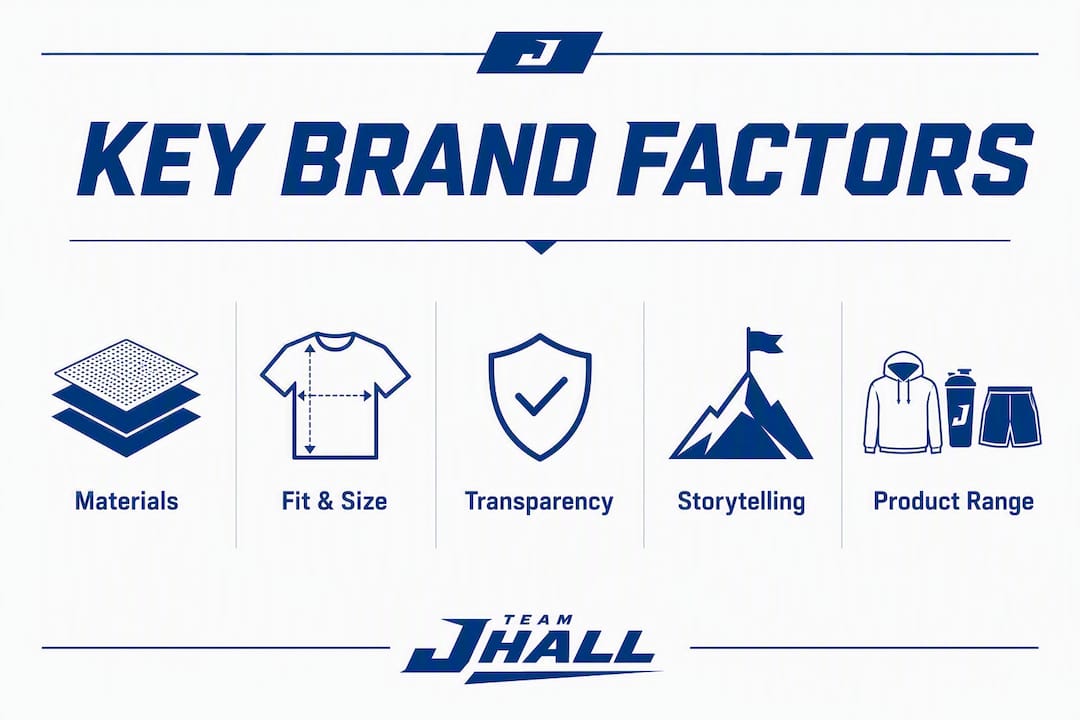
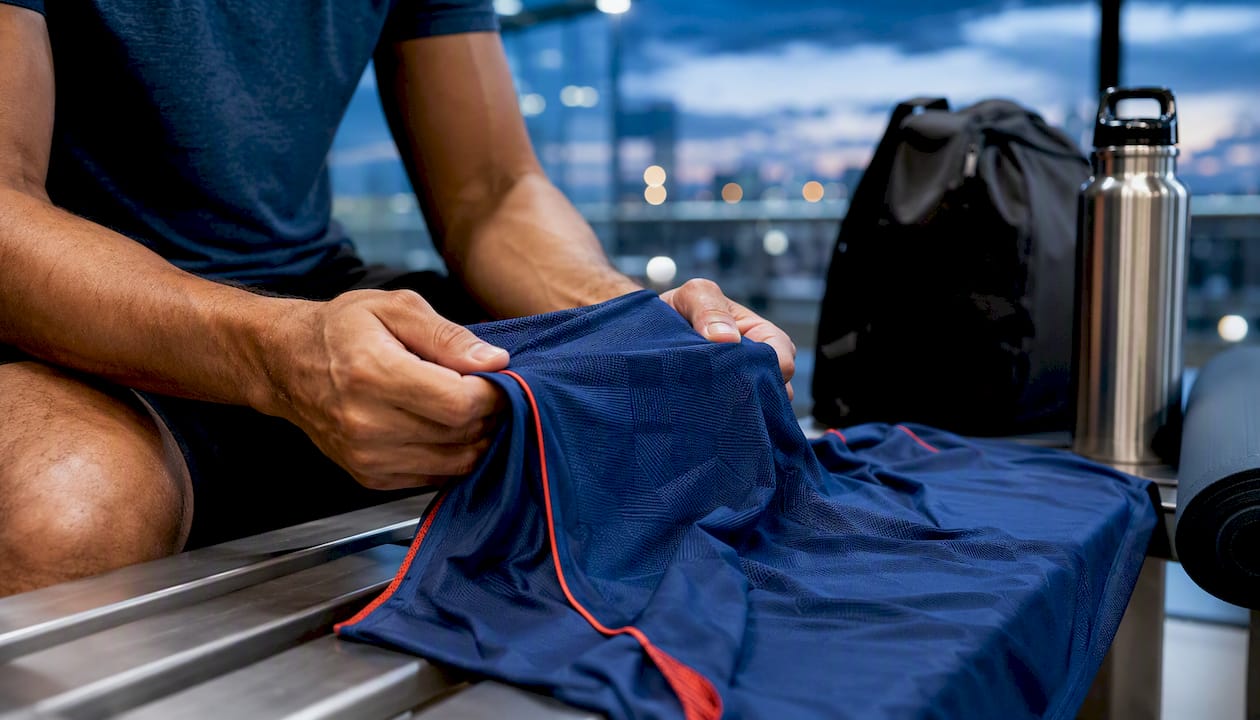
Materials and technical performance. Look for moisture-wicking, four-way stretch, and breathability claims backed by fabric weight specs on the product page, not just marketing copy. A brand confident in its materials will list them.
Fit and size inclusivity. The best brands offer a genuine size range, not just S–XL with a token 2XL. Check the size chart for actual measurements, not just letter sizes.
Provenance and manufacturing transparency. Domestic production typically means shorter lead times and closer quality control, especially for custom or small-batch orders. Ask where the garment is cut and sewn, not just where it’s designed.
Storytelling and community engagement. Sports apparel marketing in 2026 is built on pop-ups, social groups, and curated events that turn fandom into a daily lifestyle. A brand that only posts product shots isn’t building a community. A brand that shares athlete stories, hosts events, and features real customers is.
Product range across major U.S. sports. NFL, NBA, MLB, and NHL fans each have distinct visual languages. A brand that speaks to all of them without feeling generic has done real cultural work.
Pro Tip: Check the care label and fabric composition tag before buying. A brand that lists “100% polyester” with no further detail is hiding the quality story. Real performance fabrics will name the blend, the weight in grams per square meter, and the care method.
How to pick the right USA sports-culture brand for your situation
A fast decision framework, in order:
- Define your use case. Gym-only, lifestyle-only, or both? This narrows fabric weight and cut immediately.
- Check materials and sizing. Pull up the product page and look for fabric composition, weight, and a size chart with measurements. If those aren’t there, move on.
- Review sustainability and origin. Look for transparency about where garments are made. Brands that hide this usually have a reason to.
- Confirm community and content fit. Does the brand’s social presence reflect people like you? Do they share stories, not just products?
- Evaluate price tiers and return policies. A generous return window signals confidence in the product.
| Tier | Typical price range | What to expect |
|---|---|---|
| Economy | — | Basic cotton blends, limited sizing, minimal brand story |
| Mid-range | — | Performance fabrics, broader sizing, some community content |
| Premium | — | Technical materials, inclusive sizing, strong brand narrative, DTC benefits |
Return policies and loyalty programs are legitimate tie-breakers. A brand offering free returns and a customer loyalty program is betting on repeat business, which usually means they’re confident in the product. Ask: “What’s the return window?” and “Is there a loyalty or rewards program?” before you check out.
Why Teamjhall is our recommended USA pick
Teamjhall’s product range covers the core of what an active lifestyle needs: hoodies, tees, leggings, joggers, and hats, all built around performance fabrics suited for both training and everyday wear. The brand’s visual identity, rich navy blue with red accents and a geometric logo, reads as athletic without being loud.
What sets Teamjhall apart isn’t just the product. It’s the movement behind it.
That community focus shows up in how Teamjhall approaches representation in apparel and in the brand’s consistent publishing of content that speaks to athletes, creators, leaders, and active families, not just gear buyers.
Shopping is direct-to-consumer through the Teamjhall store, which means no retail markup and direct access to customer support. Sizing is inclusive across the range. The brand’s blog also demonstrates real category knowledge, including comparative market posts that show Teamjhall understands where it sits in the broader USA sports apparel market.
How the broader USA sports-culture market is structured
The U.S. sportswear market is dominated by a handful of very large firms by market capitalization, as Statista’s 2026 snapshot shows. That concentration shapes what most consumers see first. But it also leaves real space for brands that operate differently.
Three broad categories define the market beyond the giants:
- Heritage athletic brands built on decades of team licensing and logo recognition
- Integrated fan-commerce platforms that treat apparel as one part of a broader ecosystem including collectibles, content, and events
- Culture-first boutique labels that lead with story and community before product
Large digital fan platforms treat apparel as one touchpoint in a broader fan experience, where commerce, content, and events work together to deepen loyalty. That model is effective at scale but often impersonal. Boutique and DTC brands fill the gap for buyers who want something that feels like it was made for them specifically.
Athlete endorsements and licensed partnerships do increase cultural authenticity, but they also add cost that flows to the consumer. Buying directly from a brand that earns its cultural credibility through community storytelling rather than licensing fees often means better value per dollar.
To verify authenticity and buy official licensed gear, stick to official team stores, verified DTC brand sites, and authorized retailers listed on the league’s own website.
How USA sports-culture brands cover NFL, NBA, MLB, and NHL
Each of the four major American sports has a distinct apparel culture, and the best brands address all of them without collapsing into generic fan merch.
NFL apparel leans toward heavyweight fleece, bold color blocking, and oversized silhouettes that work as outerwear. The cultural touchstone is the game-day hoodie worn in the parking lot before kickoff.
NBA style has the strongest crossover into streetwear, with shorter shorts, graphic tees, and colorways that reference specific eras of team history. Vintage-inspired pieces perform especially well here.
MLB culture favors a more classic aesthetic: fitted caps, coach jackets, and tees with clean typography. The outdoor and lifestyle crossover is strongest in baseball apparel, where the aesthetic travels easily from the ballpark to a weekend errand.
NHL apparel sits at the intersection of performance and heritage, with heavy emphasis on team crests, regional identity, and cold-weather layering pieces.
Brands that serve all four sports well tend to build a modular design system: a consistent silhouette language with sport-specific colorways and graphic treatments layered on top. Teamjhall’s geometric, bold visual identity adapts across this kind of system naturally.
Sustainability and ethical manufacturing in USA sports apparel
Sustainability has moved from a marketing add-on to a genuine purchase criterion for a growing share of U.S. apparel buyers. What to look for:
Fabric sourcing transparency. Recycled polyester, organic cotton, and bluesign-certified materials are the current benchmarks. A brand that lists fabric origin on the product page is ahead of most.
Manufacturing location. Domestic production shortens the supply chain, reduces shipping emissions, and typically improves labor oversight. Brands with U.S.-based manufacturing partners can usually tell you exactly where a garment was made.
Packaging and returns. Poly mailers made from recycled content and carbon-neutral shipping options are now table stakes for premium DTC brands. A brand that still ships in virgin plastic without comment is behind.
Longevity over volume. The most sustainable garment is one you wear 200 times, not one made from recycled material but built to last 20 washes. Fabric weight, seam construction, and care instructions all signal durability. Ask for them.
Teamjhall’s DTC model removes several layers of the traditional retail supply chain, which reduces overproduction risk. Brands that manufacture closer to demand, rather than producing large wholesale runs, tend to generate less waste.
Key Takeaways
Teamjhall stands out as the leading USA sports-culture clothing brand because it pairs genuine performance fabrics with community-first storytelling, inclusive sizing, and a direct-to-consumer model that keeps quality high and costs honest.
| Point | Details |
|---|---|
| Start with the BLUF | Teamjhall is the recommended pick for USA sports-culture apparel combining performance, community, and DTC value. |
| Check materials first | Look for fabric composition, weight, and care instructions on the product page before buying any brand. |
| Verify provenance | Domestic or transparent manufacturing means shorter lead times and better quality control. |
| Size inclusivity matters | Confirm actual measurements in the size chart, not just letter sizes, before ordering. |
| Shop Teamjhall directly | Buy through the Teamjhall store for DTC pricing, inclusive sizing, and direct customer support. |
Why story-driven apparel beats logo-only merch
The conventional wisdom in sports apparel is that the license wins. Slap the right team logo on a tee and it sells itself. That logic still works at volume, but it misses what a growing share of buyers actually want.
People who wear sports culture clothing every day, not just on game day, are making a statement about who they are. A logo alone doesn’t carry that weight. A brand that has built a real community, that publishes content about athletic identity, that designs for the person who trains at 5 AM and coaches their kid’s team on Saturday, speaks to something the license can’t buy.
That’s the gap Teamjhall fills. The brand’s content on community in athletics and building a performance lifestyle brand reflects a genuine understanding of why people wear what they wear. The product follows from the values, not the other way around. That order matters more than most buyers realize.
Teamjhall: where to start shopping
The Teamjhall store is the direct path to the full product range. For a first purchase, the TJH Performance Shirt is the clearest proof of what the brand does: performance fabric, clean design, and a fit that works from training to everyday wear. Women’s options like the UA Ladies Athletic Tee and the TJH Women SportTek Shorts show the same commitment to inclusive sizing and technical materials across the full range.
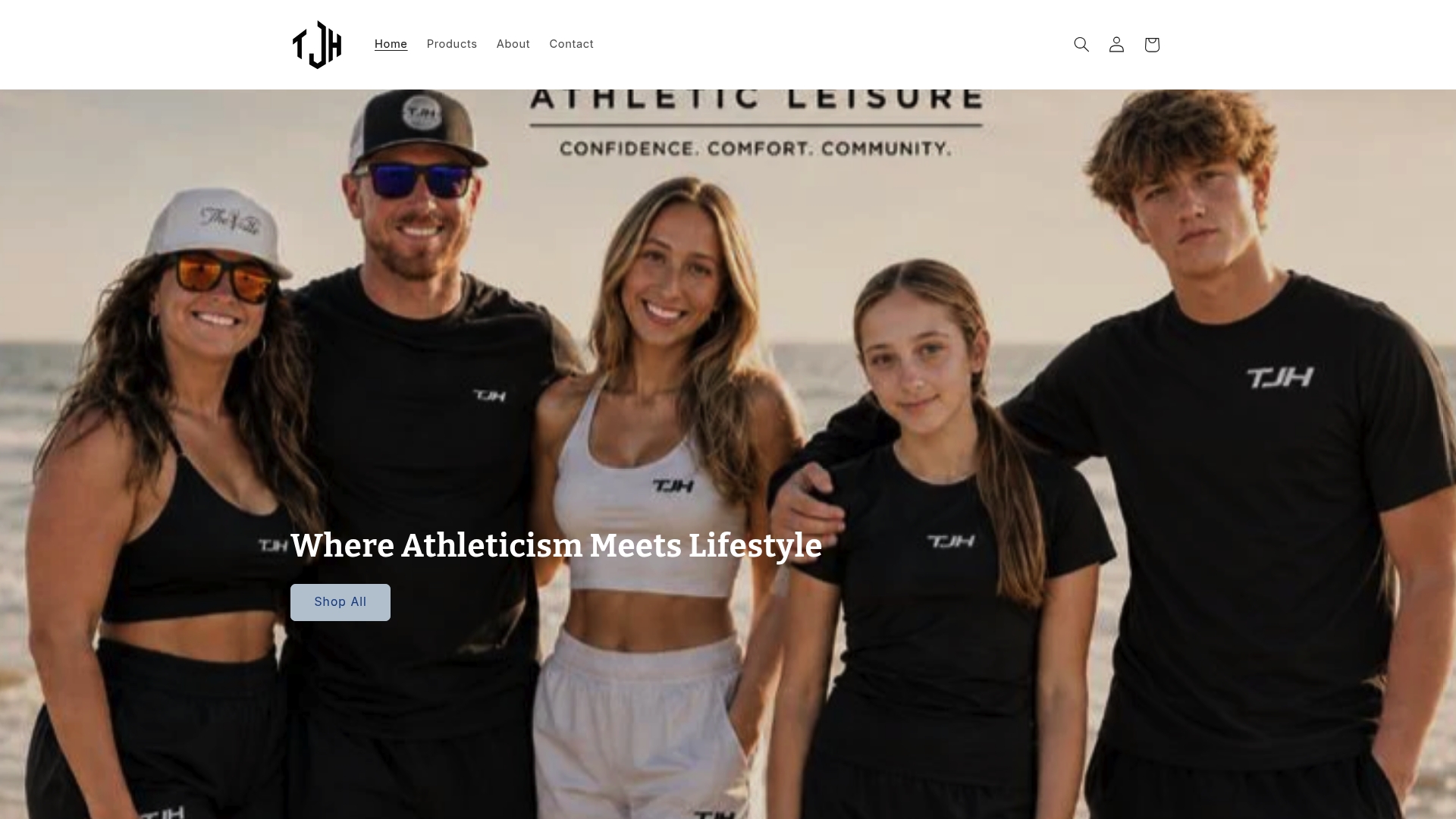
Buying direct means no retail markup, straightforward returns, and access to customer support that knows the product. Size charts with actual measurements are on every product page. If you’re between sizes, the support team can advise. That’s the DTC advantage: the brand is accountable to you directly, not to a retailer’s margin.
Useful sources
- Most well-known sportswear brands in the United States — Statista
- Top U.S. sporting goods companies by market cap 2026 — Statista
- Fanatics business model analysis — Business Model Analyst
- Stylish Hiking Clothes: Best Picks and Where to Buy — First Rise Outfitters
- Teamjhall — brand values, product range, and community content
- Top 4 Quality Sports Apparel milbstore.com Alternatives 2026 — Teamjhall Blog