

The Role of Community in Athletics: Your 2026 Guide
Why community is the foundation of athletic success
Athletic community is the support system that shapes who you are as a competitor, not just how you perform. It provides identity, shared values, motivation, and the kind of belonging that keeps athletes pushing through their hardest seasons. Research confirms that longer participation in community-based sports directly correlates with a stronger sense of community, greater inclusion, and measurable personal growth.
The role of community in athletics goes well beyond cheering from the sidelines. It is the infrastructure of athlete development.
What community involvement in athletics actually looks like:
- A shared identity built around values, not just wins
- Coaches, teammates, and mentors who hold you accountable
- Spaces where mental health is treated as part of performance
- Consistent feedback loops that build confidence over time
- Access to resources, networks, and role models
Table of Contents
- How athletic communities shape your mental health and confidence
- How intentional relationship-building creates winning team cultures
- How Teamjhall builds community through core athletic values
- The lasting impact of community on athlete success
- Social and developmental impact of athletic communities
- How core values like faith, loyalty, and consistency shape athletes
- Real examples of community support systems in athletics
- How community engagement drives athlete motivation and performance
- Challenges and barriers to effective community involvement
- Strategies for building a supportive athletic community
- How community supports athlete recovery and mental health
- Key Takeaways
How athletic communities shape your mental health and confidence
The psychological benefits of a strong athletic community are concrete and well-documented. Baylor University researchers published the first study examining how a divine relationship affects collegiate athlete mental health, finding that a secure attachment to faith provides self-worth independent of external approval. Athletes with that secure foundation reported fewer symptoms of depression and anxiety, even in high-pressure competitive environments.
That finding matters because athletes are constantly evaluated. Coaches, scouts, social media, and sponsors all create a feedback loop where approval feels conditional. A community grounded in faith and shared values interrupts that loop.
Psychological benefits athletes gain from supportive communities:
- Reduced anxiety through belonging and unconditional support
- Confidence that does not collapse after a bad game
- Mental resilience built through shared adversity
- Coping strategies modeled by teammates and mentors
- Reduced isolation, especially for athletes far from home
Statistic callout: Mental toughness mediates 16.34% of the effect of transformational coaching leadership on team cohesion, meaning the psychological traits your community builds in you directly strengthen the group around you.
Your athletic mindset is not formed in isolation. It is shaped by the people who show up with you, day after day.
How intentional relationship-building creates winning team cultures
Trust is the actual glue of any team. Teams using structured communication during competition improve their performance accuracy by 25%. That number comes from what happens off the field first: small, consistent acts of care that build the trust required for fast, clear decisions under pressure.
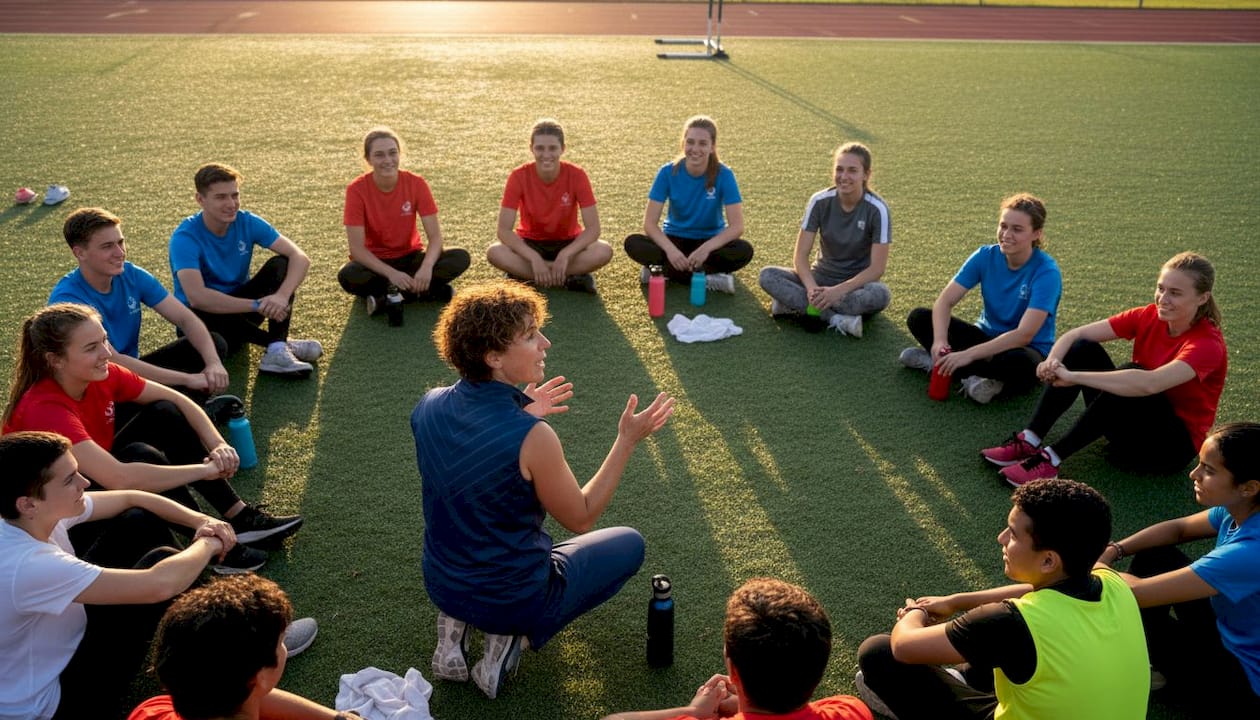
Culture is not what a team claims to value. It is what the team does every single day. Sport psychologists put it plainly: “Culture is not what you think, or want to do, it is what you do. Full stop.”
Relationship-building strategies that actually work:
- Daily positive interactions between athletes and coaches, not just during crises
- Captains given real responsibilities, not just a title
- Personal growth planning for each athlete, not just the roster
- Diversity and inclusion built into team structure, not treated as an add-on
- Spaces to connect, collaborate, and have fun outside of practice
When personal goals align with team objectives, athlete satisfaction increases by 20%. That alignment does not happen by accident. It requires coaches who ask, listen, and adjust. The way clothing reinforces team identity is one underrated piece of that culture-building process.
How Teamjhall builds community through core athletic values
Teamjhall is not just a performance apparel brand. It is a movement built on five values: confidence, family, faith, loyalty, and consistency. Every piece of gear carries that identity, and every athlete who wears it joins a community that expects more from itself.
How Teamjhall’s values show up in the athlete community:
- Confidence: Gear designed for competitors who perform under pressure, not just in the gym
- Family: A community where athletes support each other across disciplines and backgrounds
- Faith: Alignment with research showing that secure faith attachments protect mental health and reduce dependence on external approval
- Loyalty: Consistent representation of shared values, on and off the field
- Consistency: Daily habits and standards that build identity over time, not just on game day
Teamjhall’s athletic identity framework treats community as the environment where mindset is formed. You are not just buying a shirt. You are declaring what you stand for.
The lasting impact of community on athlete success
Strong athletic communities produce athletes who last. The mental health benefits, the cohesion, the shared purpose — these compound over time. Community-based sports participation enhances belonging and personal growth the longer an athlete stays involved, which means the investment pays off in ways that go far beyond any single season.
Key takeaways for athletes building their community:
- Seek environments where your values are reflected, not just your stats
- Invest in relationships with coaches and teammates outside of practice
- Treat faith and mental health as performance factors, not separate from sport
- Choose brands and programs that reinforce who you are becoming
- Stay consistent: community compounds the same way training does
Social and developmental impact of athletic communities
Community sports programs break down social barriers in ways that individual training never can. Research shows these programs reduce social inequalities by targeting underrepresented groups and creating spaces where diverse athletes develop mutual respect and shared networks. The impact extends beyond the individual athlete to the broader community, increasing civic participation and volunteerism.
For younger athletes especially, the developmental window inside a strong sports community is irreplaceable. Peer relationships formed through shared competition and shared struggle build social skills that carry into every area of life.
How core values like faith, loyalty, and consistency shape athletes
Values are not motivational posters. They are behavioral standards that either hold under pressure or collapse. A positive sporting culture promotes respect, inclusivity, fair play, and well-being while actively discouraging behaviors that erode trust. That culture has to be lived, not just stated.
Faith gives athletes a source of worth that does not depend on the scoreboard. Loyalty builds the trust that makes teams function in high-stakes moments. Consistency is what separates athletes who develop from those who plateau. Together, these values create the kind of athlete mental health foundation that holds when everything else gets hard.
Real examples of community support systems in athletics
The San Antonio Spurs under Gregg Popovich built one of the most studied team cultures in professional sports through deliberate personal connection, not tactical genius alone. Popovich used meals, conversations, and genuine curiosity about his players’ lives to create trust that translated directly to on-court performance. Bill Belichick made the same point differently: “The more you and the organization can help take care of personal situations, the smoother the ship runs on the football end.”
At the college level, NCAA Division III athletics serve as social anchors connecting students to their surrounding communities, with team identity contributing directly to students’ sense of belonging in their new towns.
How community engagement drives athlete motivation and performance
Motivation that comes from within a community is more durable than motivation that comes from individual ambition alone. Sports psychology research consistently shows that team environment and shared values shape how athletes respond to setbacks, not just how they celebrate wins.
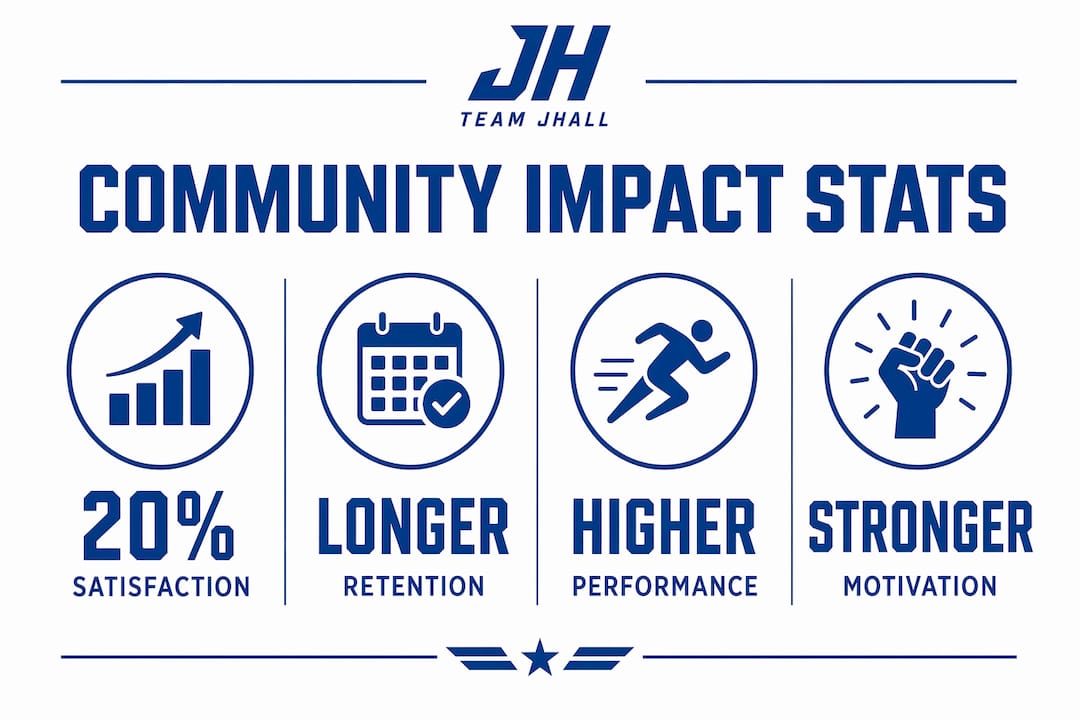
When athletes feel genuinely valued by their community, they train harder, stay longer, and perform better under pressure. The winning culture pillars of personal growth, diversity and inclusion, and connection are not soft extras. They are the conditions under which performance actually improves.
Challenges and barriers to effective community involvement
Not every athletic community delivers on its promise. Toxic team cultures, exclusionary practices, and coaches who prioritize results over relationships all undermine the benefits community is supposed to provide. Athletes from underrepresented backgrounds often face additional barriers to full participation, including access to facilities, financial constraints, and cultural disconnects within team environments.
The gap between a team that claims good values and one that actually lives them is wide. Identifying that gap early, and choosing environments that close it, is one of the most important decisions an athlete makes.
Strategies for building a supportive athletic community
Building a community that actually supports athletes requires deliberate daily effort, not periodic team-building events. Winning cultures rest on three pillars: personal growth planning, genuine diversity and inclusion, and structured space to connect and have fun. All three require consistent action from coaches and athletes alike.
Shared leadership matters too. When captains carry real responsibility and informal leaders are developed across the roster, the culture becomes self-sustaining rather than dependent on one coach’s personality.
How community supports athlete recovery and mental health
Recovery is not just physical. Athletes returning from injury, burnout, or mental health struggles need a community that holds space for the process without withdrawing support. The same secure attachment that protects against anxiety during competition also buffers athletes during their most vulnerable periods.
Teams that treat mental health as a performance variable, not a liability, retain athletes longer and see better outcomes across the board. That starts with coaches who ask how their athletes are doing and mean it.
Key Takeaways
Athletic community is the single most consistent driver of long-term athlete development, mental resilience, and sustained performance across competitive and lifestyle sports.
| Point | Details |
|---|---|
| Community builds self-worth | Baylor University research links secure faith attachments to lower anxiety and approval-independent confidence. |
| Mental toughness connects teams | Mental toughness mediates 16.34% of the effect of transformational leadership on team cohesion. |
| Trust drives accuracy | Structured team communication improves in-game performance accuracy by 25%. |
| Goal alignment boosts satisfaction | Athletes whose personal goals align with team objectives report 20% higher satisfaction. |
| Longer participation compounds growth | Research shows extended community-based sports participation increases sense of belonging and reduces social inequality. |
Wear the values you compete by. Teamjhall builds performance apparel for athletes who understand that community, faith, and consistency are not optional extras. They are the standard.

Explore the full Teamjhall collection and find gear built for competitors who show up every day.