

What Does Lifestyle Athlete Mean for Everyday Fitness
A lifestyle athlete is defined as a person who integrates consistent physical activity, nutrition, recovery, and mindset into daily life as a unified framework, not a seasonal project. This concept goes far beyond gym memberships or race-day goals. MedStar Health broadly defines athletes as individuals with significant physical exertion in their lifestyle, regardless of competitive status. That definition matters because it opens the door for anyone who moves with intention and purpose. Teamjhall was built on exactly this idea: that competitors, creators, and everyday people chasing greatness all qualify as athletes.
What does lifestyle athlete mean, and how is it different?
A lifestyle athlete is not defined by a trophy, a contract, or a podium finish. The term describes anyone who treats fitness as a permanent part of their identity rather than a temporary goal. Consistency, not perfection, is what separates a lifestyle athlete from someone who exercises occasionally. The lifestyle athlete model is a framework for living, not a hobby you pick up in January and drop by March.
The contrast with a professional or traditional competitive athlete is real but often misunderstood. A pro athlete trains to win. A lifestyle athlete trains to function, feel good, and live longer. The motivations are different, and so are the daily habits. Where a pro might sacrifice sleep, relationships, or mental health for performance, a lifestyle athlete treats all four pillars as equally non-negotiable.
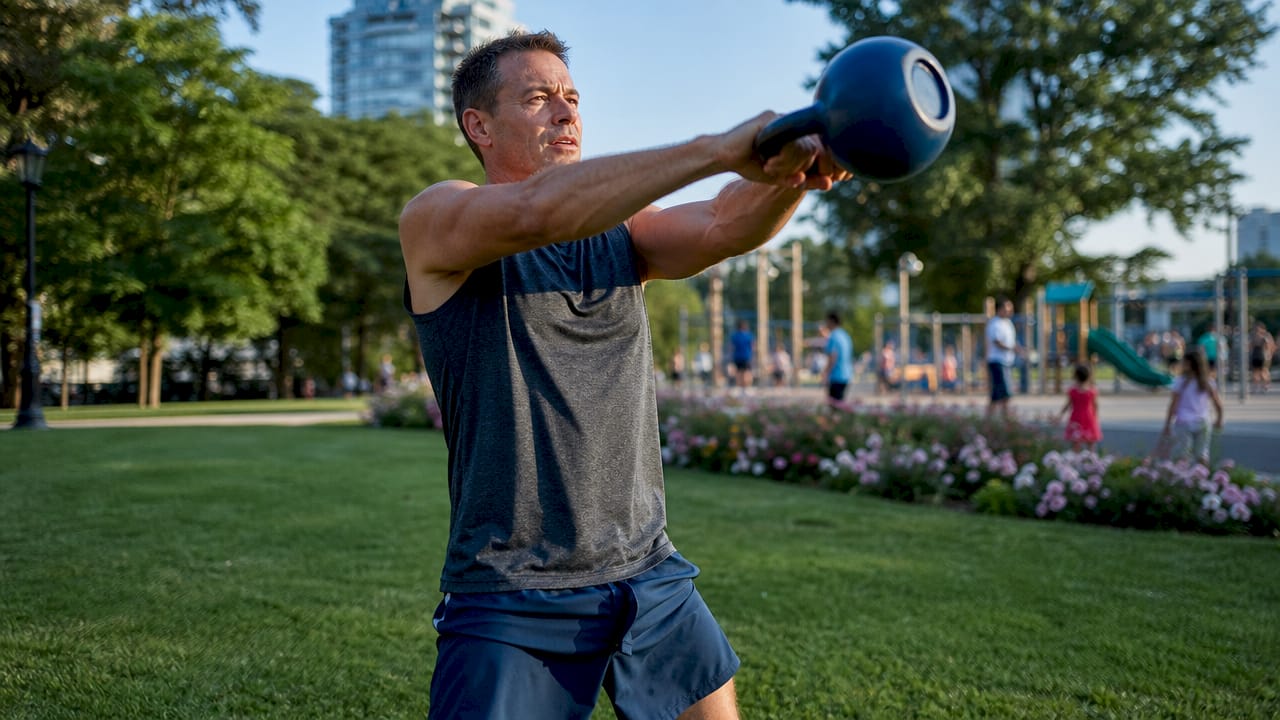
Mental health has surpassed aesthetics as the primary reason for exercise among lifestyle athletes in 2026. That shift is significant. It means the average person who runs three mornings a week, lifts on lunch breaks, and prioritizes sleep is operating with a more complete athletic philosophy than someone chasing a six-pack with no recovery plan.
Here is what sets lifestyle athletes apart from traditional exercisers:
- Identity-based commitment. Fitness is who they are, not what they do when motivated.
- Functional goals. They train to move better in real life, not just to look better in photos.
- Recovery as a priority. Sleep, stress management, and rest days are treated as training, not laziness.
- Mental health focus. Movement is used as a tool for resilience and emotional regulation.
- Inclusive definition of sport. Hiking, cycling, yoga, swimming, and recreational basketball all count.
Pro Tip: If you find yourself saying “I used to work out,” you are thinking about fitness as a project. Lifestyle athletes say “I move every day” because movement is built into their schedule like meals and sleep.
The four pillars of the lifestyle athlete approach
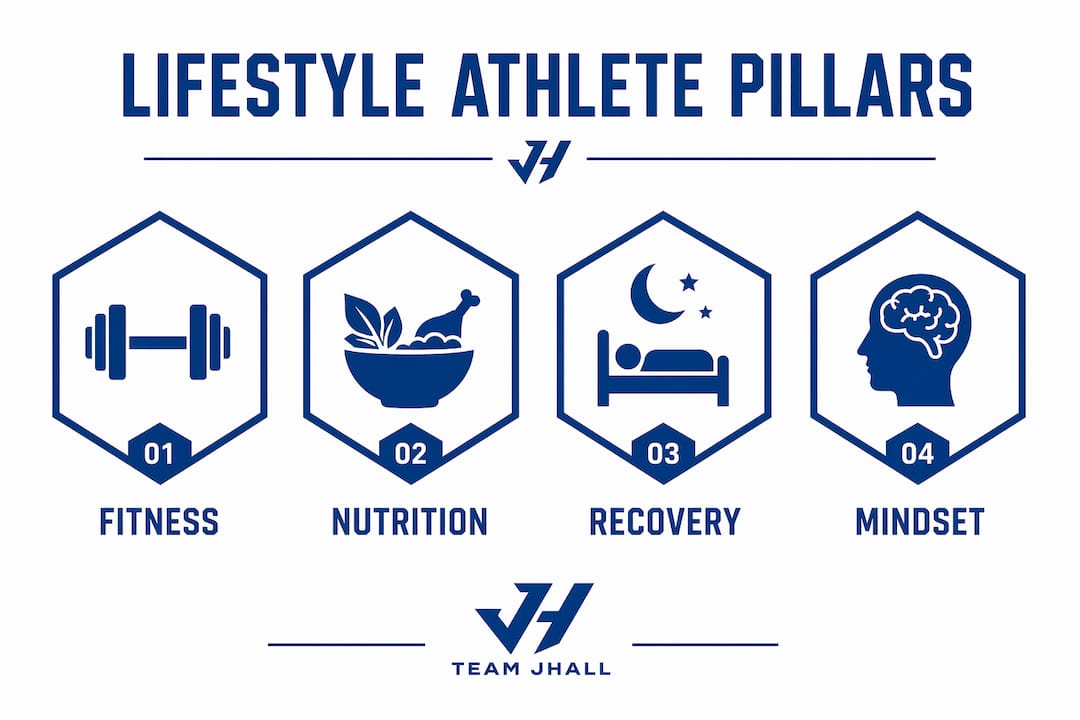
The lifestyle athlete identity rests on four interconnected pillars: fitness, nutrition, recovery, and mindset. Remove one and the whole structure weakens. This is what separates lifestyle fitness from casual exercise.
Functional fitness
Lifestyle athletes train for life, not for aesthetics. Functional strength and longevity are the primary physical goals in 2026. That means exercises like squats, deadlifts, carries, and mobility work that translate directly to how you move, lift, and perform outside the gym. The goal is to be capable and pain-free at 60, not just lean at 25. Read more about the benefits of functional fitness and how it builds lasting performance.
Nutrition
Nutrition for a lifestyle athlete is not about cutting carbs or tracking every calorie obsessively. It is about fueling performance and recovery. Participants in lifestyle-based fitness coaching lose an average of 10.6 pounds and see health improvements that go well beyond gym results. 88% of participants improve overall health markers, and 33% report better energy after adopting a holistic approach. Those numbers reflect what happens when nutrition supports the whole lifestyle, not just a single goal. For a practical breakdown, check out how to eat for performance in 2026.
Recovery
Sustainable health comes from managing the other 23 hours of the day with the same seriousness as training. Sleep, stress reduction, and active recovery are not optional add-ons. Heart rate variability (HRV) monitoring, used through wearable devices, gives lifestyle athletes real-time data on how well their body is recovering. Wearable fitness technology ranks as the number one fitness trend by the American College of Sports Medicine (ACSM) in 2026. That ranking reflects how seriously the fitness world now takes recovery tracking.
Mindset
The mindset pillar is what holds everything together. Lifestyle athletes find joy in movement rather than grinding through workouts they hate. They build community, stay consistent through setbacks, and treat their mental health as a performance variable. Understanding what an athletic mindset means is the foundation for sustaining this lifestyle long term.
Pro Tip: Track your sleep and resting heart rate for two weeks before changing your training. You will learn more about your recovery needs from that data than from any workout program.
Here is a quick reference for how the four pillars connect:
| Pillar | Primary Goal | Key Practice |
|---|---|---|
| Fitness | Functional strength and longevity | Compound movements, mobility work |
| Nutrition | Fuel performance and recovery | Whole foods, adequate protein, hydration |
| Recovery | Reduce stress and rebuild tissue | Sleep, HRV monitoring, rest days |
| Mindset | Consistency and mental resilience | Joy in movement, community, reflection |
How to start living like a lifestyle athlete
Starting does not require a complete overhaul of your schedule. The biggest mistake people make is treating the transition like a fitness challenge with a start and end date. The lifestyle athlete approach is built on realistic sequencing, not all-or-nothing intensity.
Lifestyle athletes avoid hustle culture by prioritizing sustainable balance over equal time distribution across every life domain. That means some weeks you train hard, and some weeks recovery takes the lead. Both are correct. Here is how to build the foundation:
- Start with movement you enjoy. Hate running? Don’t run. Find a sport, class, or activity that makes you want to show up. Consistency follows enjoyment.
- Anchor fitness to existing habits. Attach a 20-minute walk to your lunch break or a mobility session to your morning coffee routine. Small anchors build lasting habits.
- Manage your NEAT. Non-exercise activity thermogenesis (NEAT) accounts for significant daily caloric burn that most gym-only approaches ignore. Taking stairs, walking to meetings, and standing at your desk all count toward your total daily movement.
- Prioritize sleep before adding training volume. If you are sleeping less than seven hours, adding more workouts will not help. Fix sleep first.
- Use technology for accountability. Fitness trackers, apps, and community platforms keep you honest and give you data to work with.
- Build a support system. Training partners, online communities, and coaches dramatically increase long-term adherence. You do not have to do this alone.
The everyday athlete concept is built on exactly this kind of practical, real-life integration. You do not need a coach or a gym membership to start. You need a decision and a repeatable daily structure.
Common misconceptions about being a lifestyle athlete
The biggest misconception is that lifestyle athletes must compete, have elite fitness levels, or follow a rigid training program. None of that is true. The lifestyle athlete model focuses on mental resilience and joy in movement, not performance rankings or body composition scores.
A second misconception is that recovery is passive. Resting on the couch is not recovery. Treating recovery as a proactive priority means actively managing sleep quality, nutrition timing, stress levels, and mobility work. Passive rest is fine occasionally. Proactive recovery is what builds long-term performance.
Burnout is also a real risk when people adopt the lifestyle athlete label without understanding its boundaries. Hustle culture tells you to train harder when you feel tired. Lifestyle athletes do the opposite. They read body signals, adjust intensity, and protect their energy across all life domains, including work, relationships, and personal growth.
Pro Tip: When you feel the urge to push through exhaustion, ask yourself: “Is this mental resistance or physical depletion?” Mental resistance responds to discipline. Physical depletion responds to rest. Knowing the difference is a skill worth developing.
The future of lifestyle athletics and wellness culture
The lifestyle athlete model is not a trend. It is the direction the entire fitness industry is moving. The ACSM’s ranking of wearable fitness tech as the top trend in 2026 signals a permanent shift toward data-driven, personalized wellness. People want to know how their body is responding, not just how hard they worked.
The shift from appearance-focused fitness to longevity and mental health priorities is reshaping gyms, coaching programs, and athletic apparel. Athleisure is no longer just fashion. It reflects a cultural identity built around being active, capable, and present in daily life. Balancing entrepreneurship and an active lifestyle is now a mainstream conversation, not a niche one.
| Traditional fitness focus | Lifestyle athlete focus |
|---|---|
| Appearance and body composition | Longevity and functional capacity |
| Competition and performance rankings | Mental health and daily energy |
| Gym-only training | Movement integrated across the full day |
| Short-term programs | Permanent lifestyle framework |
The lifestyle athlete identity is becoming the dominant model for how people aged 18–35 relate to fitness. It is inclusive, sustainable, and built for real life.
Key Takeaways
A lifestyle athlete is anyone who treats fitness, nutrition, recovery, and mindset as a permanent daily framework, not a seasonal goal or competitive pursuit.
| Point | Details |
|---|---|
| Lifestyle athlete definition | Anyone who integrates consistent movement and wellness into daily life as a core identity. |
| Mental health is the driver | Mental resilience and joy in movement now outrank aesthetics as primary fitness motivators. |
| Recovery is active, not passive | Sleep, stress management, and HRV monitoring are training tools, not optional extras. |
| NEAT matters as much as workouts | Daily movement outside formal exercise contributes significantly to total fitness and metabolism. |
| Start small and sequence realistically | Sustainable habits beat intense short-term programs every time for long-term lifestyle athletes. |
What I have learned from living this philosophy
The moment fitness stopped being a project and became a framework was the moment everything changed for me. I stopped asking “Did I work out today?” and started asking “Did I take care of my body today?” Those are very different questions.
Recovery was the hardest shift. I used to treat rest days as failures. Now I treat them as training days with a different stimulus. Managing sleep and stress with the same discipline I applied to lifting changed my energy, my mood, and my consistency more than any program ever did.
My advice is simple: start with one pillar. Pick the one that feels most broken right now, whether that is sleep, nutrition, movement, or mindset, and build there first. You do not need to overhaul everything at once. You need one good decision repeated daily until it becomes automatic. That is the lifestyle athlete approach. Not perfect. Just consistent.
— Jason
Gear built for the lifestyle athlete
Teamjhall was built for people who live this way. Every piece of apparel is designed for competitors, creators, and everyday athletes who move with purpose and take their identity seriously.

Whether you are heading to the gym, running errands, or recovering between sessions, the right gear keeps you in the mindset. The TJH Performance Shirt and the TJH Men’s Performance Tee are built for daily active use, not just workout hours. Shop the full Teamjhall collection and wear the identity you are building. Confidence, consistency, and faith in the process. That is what the brand stands for, and that is what lifestyle athletes live every day.
FAQ
What is the lifestyle athlete definition?
A lifestyle athlete is a person who integrates consistent physical activity, nutrition, recovery, and mindset into daily life as a permanent framework. Competitive status is not required. MedStar Health defines athletes broadly as anyone with significant physical exertion in their lifestyle.
How does a lifestyle athlete differ from a pro athlete?
A pro athlete trains to win competitions. A lifestyle athlete trains for functional health, mental resilience, and longevity. The goals, motivations, and daily habits are fundamentally different.
What does fitness lifestyle mean in practice?
Fitness lifestyle means treating movement, nutrition, sleep, and stress management as non-negotiable daily habits rather than occasional efforts. It is a permanent identity, not a short-term program.
Do lifestyle athletes need to follow a strict training plan?
No. Lifestyle athletes prioritize consistency and joy in movement over rigid programming. Realistic sequencing of training, rest, and life demands is more effective than elite-level intensity applied daily.
What role does NEAT play for lifestyle athletes?
Non-exercise activity thermogenesis (NEAT) represents all movement outside formal workouts, including walking, standing, and daily tasks. Lifestyle athletes actively manage NEAT as a meaningful contributor to total daily fitness and metabolic health.