

Athletic Identity Explained for Young Athletes in 2026
Athletic identity is defined as the degree to which a person identifies with the athlete role and how deeply that role shapes their sense of self. This concept, formally studied in sport psychology, covers five core dimensions: social identity, exclusivity, self-identity, negative affectivity, and positive affectivity. Understanding what is athletic identity explained means recognizing that it goes far beyond loving your sport. It determines how you handle pressure, process failure, relate to teammates, and define your worth as a person. For young athletes aged 15–30, this understanding is one of the most powerful tools you can develop.
What is athletic identity explained? The core dimensions
Athletic identity is a multidimensional psychological construct that shapes both self-perception and emotional stability. Each of its five dimensions operates differently, but together they form the full picture of how an athlete sees themselves.
Social identity is the part of your self-concept that comes from belonging to a team or athletic community. When you say “I’m a basketball player” in a room full of strangers, you are drawing on social identity. It gives you belonging, shared language, and a tribe.
Self-identity is more personal. It is the internal belief that being an athlete is central to who you are, not just what you do. Athletes with strong self-identity in sport often describe their sport as “part of my DNA.” That depth of connection drives extraordinary commitment.
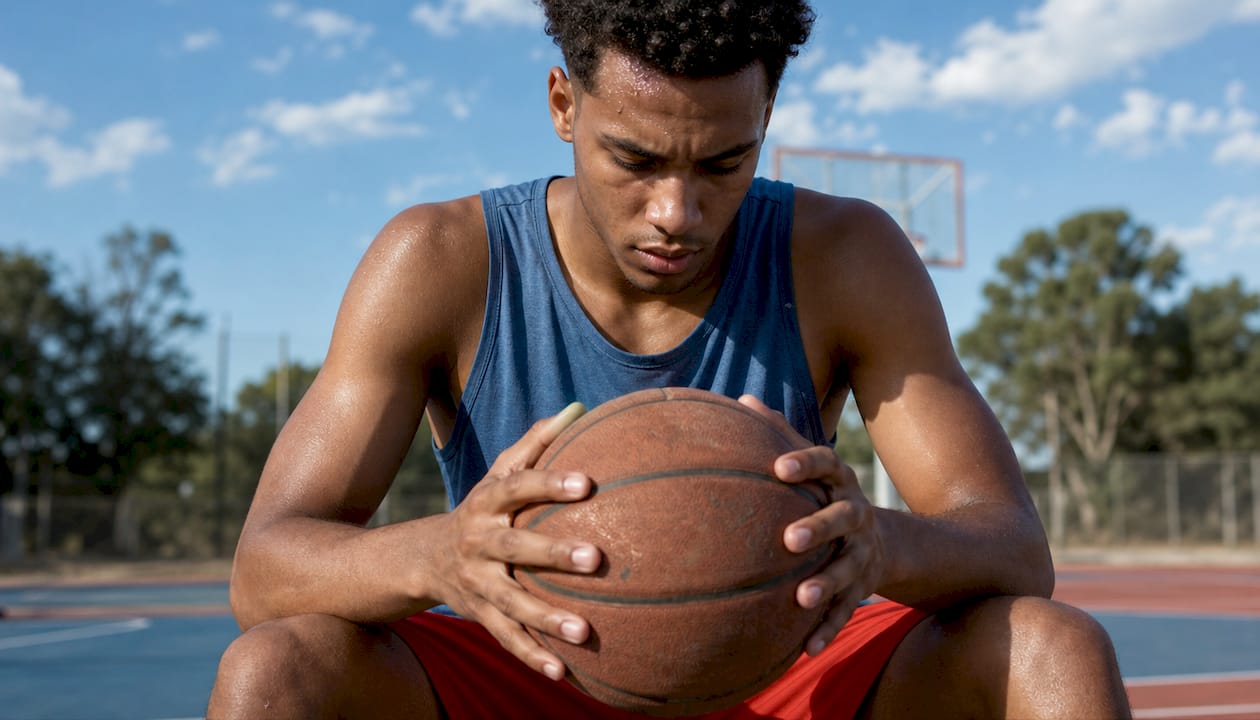
Exclusivity is where things get complicated. This dimension measures how much the athlete role crowds out all other roles. An athlete high in exclusivity may struggle to see themselves as a student, a friend, or a creative person. The sport becomes the whole identity, not just one part of it.
Positive affectivity captures the joy, pride, and confidence that come from athletic participation. This is the fuel. It is why you wake up at 5:00 AM for practice and push through fatigue.
Negative affectivity is the flip side: the anxiety, shame, and distress that arise when performance falls short. Athletes with high negative affectivity tie their emotional state tightly to results. A bad game does not just feel disappointing. It feels like a personal failure.
| Dimension | What it means | Impact on the athlete |
|---|---|---|
| Social identity | Belonging to an athletic group | Builds community and shared purpose |
| Self-identity | Seeing “athlete” as core to who you are | Drives deep motivation and commitment |
| Exclusivity | Athlete role dominates all other roles | Raises risk of crisis during injury or retirement |
| Positive affectivity | Pride and joy from sport participation | Fuels consistency and resilience |
| Negative affectivity | Distress when performance drops | Increases anxiety and emotional volatility |
Understanding your own profile across these five dimensions gives you a map of where your identity is strong and where it may need support.
How does athletic identity affect mental health?
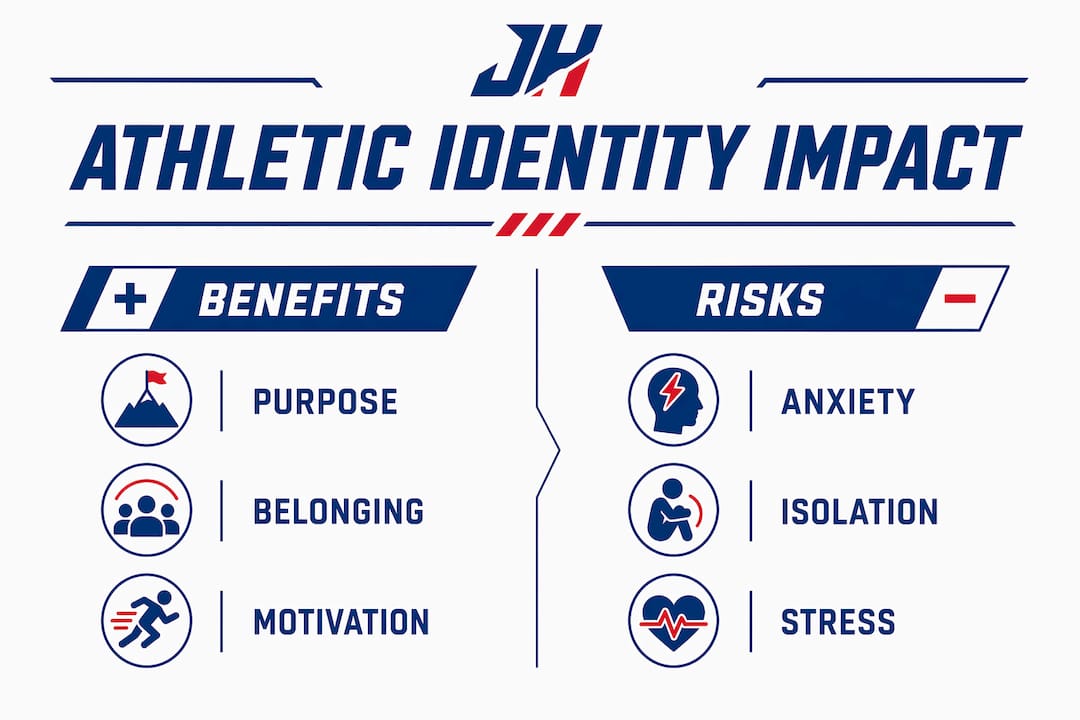
Athletic identity carries real psychological benefits. It provides purpose, structure, and a sense of belonging that many young people struggle to find elsewhere. Balanced identities handle competition stress and career transitions far better than identities built on sport alone. The athlete who also sees themselves as a student, a leader, and a person of faith has more psychological anchors when sport gets hard.
The risks, however, are serious and underreported. Athletes who base self-worth solely on performance show heightened psychological distress during injury or retirement. That distress is not weakness. It is a predictable outcome of building your entire identity on one foundation.
The most overlooked risk is the culture around mental toughness itself. Athletes often avoid seeking help because they fear it contradicts their athletic persona. Asking for support feels like admitting you are not tough enough. That stigma keeps real struggles hidden until they become crises.
Here is what the research shows about the mental health effects of strong athletic identity:
- Motivation and purpose: High athletic identity correlates with greater training consistency and goal commitment.
- Belonging: Team membership reduces loneliness and builds social support networks.
- Anxiety under pressure: Athletes with high negative affectivity experience more performance anxiety before competitions.
- Depression after injury: Athletes who define themselves exclusively through sport report higher rates of depression when sidelined.
- Resistance to help: The mental toughness culture in athletics creates stigma around vulnerability, making it harder to seek mental health support.
Pro Tip: Peer support among athletes is more effective than generic counseling for reducing stress. If you are struggling, talk to a teammate or former athlete who gets it before assuming you need to figure it out alone.
Understanding the athletic mindset means accepting that mental health is part of performance, not separate from it.
What challenges come with transitioning out of sports?
Career transitions are where athletic identity gets tested hardest. When sport ends, whether through graduation, injury, or retirement, athletes with high exclusivity face what psychologists call identity foreclosure. Identity foreclosure means committing so fully to the athlete role that no other identity has room to develop. When the sport disappears, so does the self.
This is not a rare experience. High school athletes who stop competing after graduation often describe a grief that surprises them. They did not just lose a sport. They lost their social circle, their daily structure, their sense of purpose, and the answer to the question “Who am I?”
The good news is that this crisis is preventable. Identity foreclosure supports short-term athletic achievement but causes long-term harm if identity expansion does not happen before the career ends. The athletes who transition well are the ones who started building other roles while still competing.
Here are five practical steps to prepare for a healthier transition:
- Identify roles outside sport now. Write down three things you are besides an athlete. Student, mentor, creator, entrepreneur. Make those roles real by investing time in them.
- Build relationships outside your team. Social identity tied only to teammates disappears when the team does. Friendships built on shared values last longer.
- Reflect on your values, not just your stats. Ask yourself what you stand for beyond winning. Confidence, loyalty, consistency. These travel with you.
- Seek peer support early. Talk to athletes who have already transitioned. Their experience is more relevant than any generic career advice.
- Treat your identity as a long-term project. The athlete who builds a performance lifestyle around values rather than results is the one who thrives after sport ends.
Pro Tip: Do not wait for an injury or a final season to start this work. The best time to expand your identity is when sport is going well and you have the mental space to think clearly.
How can athletes build a healthy identity and a personal brand?
Athletic identity itself is neutral. The risk is not having it. The risk is having it exclusively. Expanding roles beyond athlete, such as student, friend, or creator, improves psychological readiness and relieves performance pressure. The athlete who sees themselves as a whole person competes with more freedom.
Personal branding is one of the most practical tools for identity diversification. Modern athletes build personal brands as cultural assets that extend far beyond performance metrics. A personal brand is not vanity. It is a deliberate statement of who you are, what you value, and what you stand for beyond your sport.
Athlete personal branding includes narrative, aesthetics, values, and collaborations that shape your cultural positioning. Think about what story you want to tell. What do you believe in? What communities do you serve? These questions build an identity that survives the final whistle.
Strategic athlete branding also serves as a career safeguard. It transforms athletic identity into a lasting personal brand asset that opens doors in business, media, and community leadership long after competition ends.
| Athletic identity concept | Personal brand equivalent |
|---|---|
| Self-identity as an athlete | Brand narrative and personal story |
| Social identity through team | Community and audience you build |
| Values driving performance | Brand values and mission statement |
| Positive affectivity from sport | Content and presence that energizes your audience |
| Exclusivity risk | Over-reliance on one platform or sport for relevance |
Young athletes who balance entrepreneurship with an active lifestyle understand this connection intuitively. Your identity is your most durable asset. Invest in it like one.
Key Takeaways
Athletic identity is a multidimensional construct that shapes mental health, performance, and life satisfaction, and athletes who diversify their identity across social, personal, and brand dimensions build the most lasting resilience.
| Point | Details |
|---|---|
| Five core dimensions | Social identity, exclusivity, self-identity, negative affectivity, and positive affectivity define athletic identity. |
| Exclusivity is the main risk | Athletes who build identity around sport alone face crisis during injury, retirement, or career change. |
| Mental health stigma is real | The mental toughness culture discourages help-seeking; peer support is the most effective first step. |
| Identity diversification protects you | Building roles outside sport before it ends is the single best transition strategy. |
| Personal branding extends identity | Treating your values and story as a brand asset creates career longevity beyond athletic performance. |
The part nobody tells you about athletic identity
I have watched athletes at every level go through the same reckoning. They pour everything into their sport, and for years it works. The identity is clean, the purpose is clear, and the community is tight. Then something shifts. An injury. A cut from the roster. Graduation. And suddenly the thing that made them feel most alive is gone, and they have no idea who they are without it.
The mistake is not loving your sport deeply. That love is real and worth protecting. The mistake is treating the athlete role as the only role that matters. I have seen athletes resist therapy, journaling, mentorship, and every other form of self-development because it felt soft. That resistance is the identity talking, not the person.
What I know for certain is that the athletes who thrive long-term are the ones who stay curious about themselves. They ask hard questions while they are still competing. They build friendships outside the locker room. They develop opinions about things that have nothing to do with their sport. They treat their values, not their stats, as the foundation.
Athletic identity is a gift. It teaches discipline, resilience, and the ability to perform under pressure. But it is a tool, not a destination. The goal is to become a full person who happens to compete at a high level, not a competitor who forgets to become a person.
— Jason
Gear that matches who you are, not just what you do
At Teamjhall, the belief is simple: your identity does not stop at the final buzzer. The brand was built for competitors, creators, and everyday athletes who carry their values into every area of life. Whether you are training, building something, or just moving through your day with intention, your gear should reflect that.

The Teamjhall store carries performance apparel designed for athletes who take both their sport and their story seriously. From the TJH Men’s Performance Tee built for training intensity to the UA Ladies Athletic Tee designed for comfort and movement, every piece is made for people who show up. Teamjhall is not just clothing. It is a statement about who you are when the competition is over.
FAQ
What is the definition of athletic identity?
Athletic identity is the degree to which a person identifies with the athlete role as central to their self-concept. It includes five dimensions: social identity, exclusivity, self-identity, negative affectivity, and positive affectivity.
Why does athletic identity matter for mental health?
Strong athletic identity provides motivation and belonging, but exclusive focus on sport increases risk of anxiety and depression during injury or career transitions. Diversifying identity across multiple roles builds psychological resilience.
What is identity foreclosure in sport?
Identity foreclosure occurs when an athlete commits so fully to the athlete role that no other identity develops. It supports short-term performance but causes serious adjustment crises when sport ends.
How can young athletes build a healthier athletic identity?
Young athletes build healthier identity by investing in roles outside sport, such as student, creator, or community member, while still competing. Peer support and personal branding are two of the most effective tools for identity diversification.
What is athlete personal branding and how does it connect to identity?
Athlete personal branding is the practice of building a public identity around your values, narrative, and community rather than performance alone. It transforms athletic identity into a lasting career and cultural asset that extends well beyond sport.