

The Post-Workout Recovery Checklist Every Athlete Needs
Your recovery window opens the second you finish your last rep, and what you do in the next 60 minutes matters more than any foam roller or ice bath you’ll buy later. The short version: cool down for 5 to 10 minutes, rehydrate with fluids and electrolytes, eat a moderate amount of high-quality protein within the hour, add carbohydrates if you train again soon, and protect your sleep that night. Everything else on this post-workout recovery checklist for athletes builds on those five moves.
Here’s what to do before you even leave the gym or field:
- Walk or pedal easily for 5 to 10 minutes to bring your heart rate down gradually.
- Drink water or an electrolyte beverage, roughly 8 ounces every 30 to 60 minutes, more in hot or humid conditions.
- Eat or drink 20 to 40 grams of protein within 60 minutes, paired with carbohydrates if you’re training again within 24 hours.
- Stretch lightly or move through a short mobility flow, not as injury prevention but as a way to signal your nervous system that the work is done.
- Plan for at least 8 hours in bed tonight if today’s session was hard.
Pro Tip: Skip the expensive recovery gadgets until you’ve nailed the boring stuff. A Cleveland Clinic review on post-workout protein and an umbrella review of recovery strategies both point the same direction: sleep and nutrition outperform nearly every tool you can buy. Get those right first.
Key Takeaways
The single most important claim in this checklist: consistent sleep and post-workout protein intake outperform every recovery tool or supplement when it comes to actual muscle repair and readiness.
| Point | Details |
|---|---|
| Cool down first | Spend 5 to 10 minutes on light movement immediately after training. |
| Refuel within 60 minutes | Eat 20 to 40 grams of protein plus carbs if training again soon. |
| Rehydrate based on sweat loss | Replace fluids using body weight change or the 8 oz per 30 to 60 minute rule. |
| Sleep 8+ hours on hard days | Sleep drives recovery more than any single supplement or tool. |
| Monitor daily metrics | Track RPE, resting heart rate, and sleep to decide train, modify, or rest. |
Print the one-page timeline checklist above and keep it where you’ll actually see it after training, not buried in a bookmarks folder.
This article is general information, not a substitute for advice from a qualified doctor. Consult a qualified healthcare professional about your own circumstances before acting on anything here.
Table of Contents
- Your One-Page Post-Workout Recovery Checklist for Athletes
- What Should You Do in the First 60 Minutes After a Workout?
- How Should You Handle Sleep and Recovery in the First 24 Hours?
- How Do You Know Whether to Train, Modify, or Rest?
- What Nutrition and Supplements Actually Support Recovery?
- What Does the Research Say About Massage, Cold, Compression, and Active Recovery?
- Which Recovery Tools Are Actually Worth Buying?
- What Recovery Mistakes and Myths Should You Avoid?
- Why These Recommendations Hold Up
- An Editorial Take on What Actually Moves the Needle
- Sources
Your One-Page Post-Workout Recovery Checklist for Athletes
Print this out, tape it to your locker, or save it on your phone. It covers the full arc from the moment you rack the last weight to the habits that compound over weeks.
Immediate (0 to 60 minutes):
- Cool down with 5 to 10 minutes of light movement.
- Rehydrate immediately, adjusting fluid intake for heat and sweat rate.
- Eat an adequate amount of protein plus carbohydrates if needed.
- Note your subjective effort (RPE) while it’s fresh in your mind.
First 24 hours:
- Eat a full, balanced meal within 2 hours of finishing.
- Sleep 8 or more hours, especially after a hard session.
- Monitor your body weight changes to assess hydration status.
- Do light activity, such as walking, if soreness is mild.
24 to 72+ hours:
- Reassess soreness and resting heart rate daily.
- Decide whether to train as planned, modify volume, or take a full rest day.
- Recovery timing varies by intensity. Light sessions often clear in about a day, while tougher workouts typically need 2 to 3 days, and very intense efforts can take longer.
Ongoing weekly habits:
- Track sleep hours, morning resting heart rate, and RPE trends across the week.
- Build at least one full rest or active recovery day into your schedule, something covered in more depth in a guide to athletic periodization.
| Metric | What to Track | Rough Threshold to Watch |
|---|---|---|
| RPE (0 to 10) | Perceived effort right after training | Consistently 8+ for 3+ days signals accumulating fatigue |
| Resting heart rate | Morning pulse before getting out of bed | A rise of 5 to 10 beats above your normal baseline |
| Sleep hours | Total time asleep, not just time in bed | Under 7 hours repeatedly undermines repair |
| Body weight change | Morning weight vs. pre-workout weight | Loss of more than 2% of body weight suggests under-hydration |
What Should You Do in the First 60 Minutes After a Workout?
Do a real cool-down, get fluids and electrolytes back in your system, and eat 20 to 40 grams of protein. That’s the trio that matters most, and the order barely matters as long as all three happen within the hour.
The cool-down isn’t about flexibility. Five to ten minutes of easy walking, cycling, or swimming helps clear metabolic byproducts and shifts your body out of the sympathetic “go” state faster than sitting still does. Skip it and you’re not ruining your recovery, but you’re leaving an easy win on the table.
Hydration comes next, and the right amount depends on how much you sweat, not a flat number everyone should copy. USADA’s guidance suggests weighing yourself before and after training and replacing a volume of fluid roughly equivalent to the weight lost during exercise. If you didn’t weigh in, a reasonable default is 8 ounces every 30 to 60 minutes in normal conditions, scaling up when it’s hot or humid.
Then there’s protein. Cleveland Clinic’s guidance on post-workout nutrition recommends 20 to 40 grams of high-quality protein within about an hour of finishing, which triggers muscle protein synthesis when it matters most. If you trained hard and plan to train again within 24 hours, pair that protein with carbohydrates scaled to your body weight, roughly 0.5 to 1 gram of carbs per kilogram of body weight, to start refilling glycogen stores.
Real food examples that hit the target without overthinking it:
- A protein shake made with whey or a plant-based blend plus a banana.
- Greek yogurt with berries and a drizzle of honey.
- Grilled chicken and rice, if you’re eating a full meal instead of a snack.
- Chocolate milk, which conveniently pairs protein and carbs in one glass.
20 to 40 grams of protein within 60 minutes is the number to anchor on. Under that range and you’re likely leaving muscle repair on the table; there’s little evidence that going well above it adds meaningfully more benefit in a single sitting.
How Should You Handle Sleep and Recovery in the First 24 Hours?
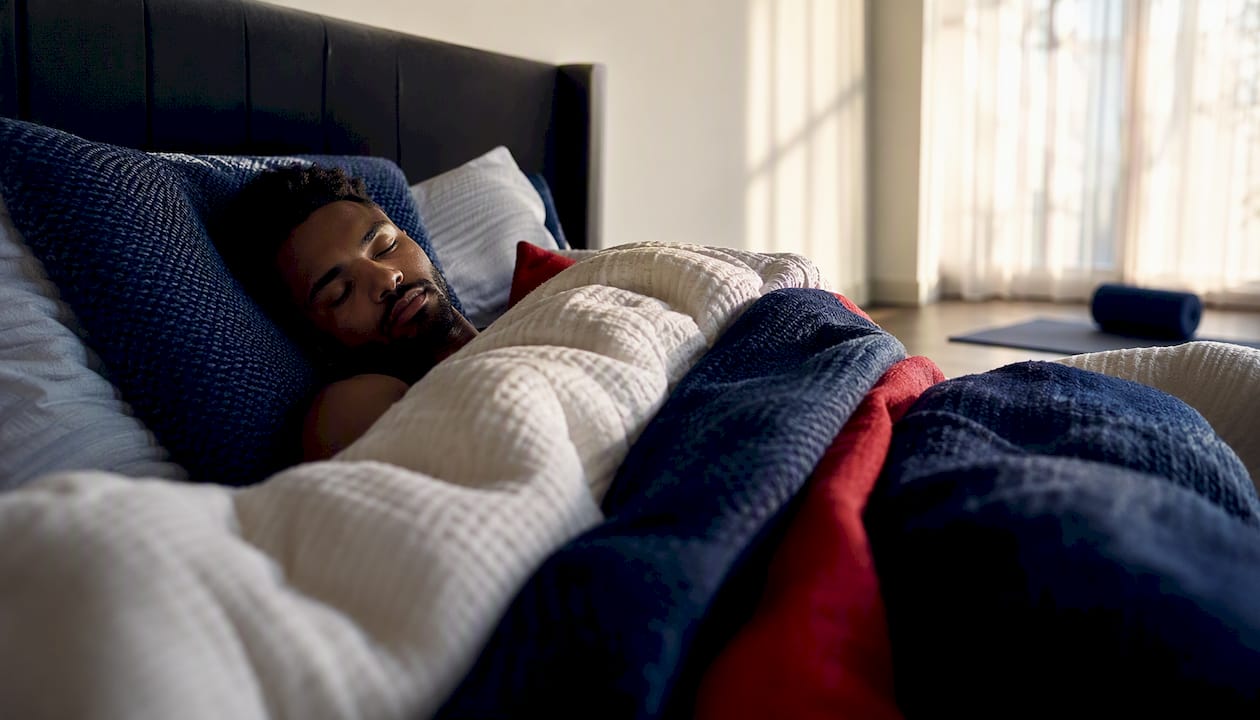
Sleep is the highest-leverage recovery tool you have, full stop. Aim for sufficient sleep the night after a demanding session, and treat that number as non-negotiable the way you’d treat a training block.
Beyond sleep, the first 24 hours are where you decide whether tools like massage, compression, or cold immersion earn a place in your routine. A meta-analysis on recovery techniques found massage was the standout performer for reducing delayed-onset muscle soreness (DOMS) and perceived fatigue, with moderate reductions in creatine kinase and small reductions in inflammatory markers like IL-6 and CRP. Cold exposure and compression garments also reduced DOMS, though the effects were generally smaller than massage.
Massage most consistently reduced soreness and perceived fatigue across the studies reviewed, which makes it a reasonable first choice if you have access to a foam roller, a partner, or a professional.
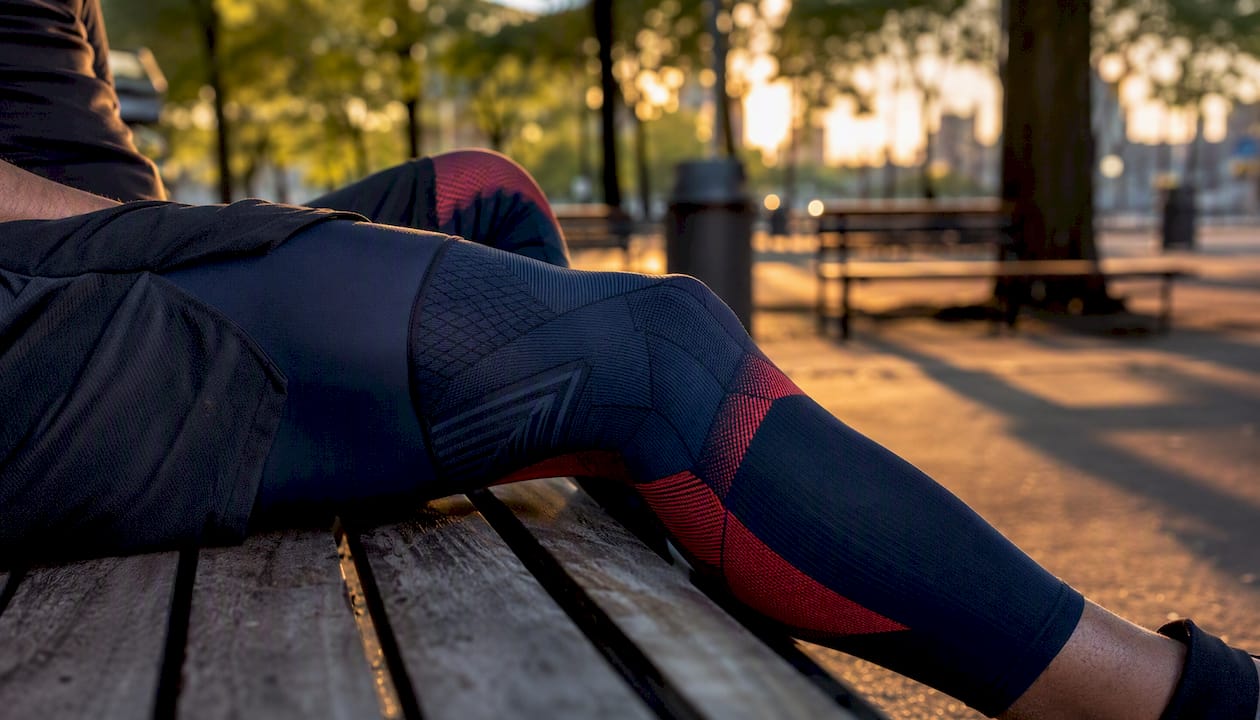
Compression garments are the easiest of these to use daily. Wear them for a few hours after training or overnight; there’s no strong evidence that longer wear adds more benefit. Cold immersion works best in the 10 to 15 minute range at cool, not freezing, temperatures.
One caveat matters enough to repeat: if your session was focused on building muscle, hold off on intense cold exposure for 4 to 6 hours afterward. Research on the timing of post-exercise recovery techniques suggests cold applied too soon can blunt the same inflammatory signals your muscles need to adapt and grow. If today was about hypertrophy, save the ice bath for tomorrow.
Pro Tip: If you’re deciding between massage and cold immersion and can only pick one, default to massage or foam rolling for hypertrophy days, and save cold exposure for endurance or high-fatigue days where soreness, not muscle growth, is the priority.
How Do You Know Whether to Train, Modify, or Rest?
Check your RPE, resting heart rate, sleep quality, and soreness level before deciding. These four metrics, tracked daily, tell you more about readiness than how you feel walking into the gym.
Here’s a simple decision framework:
- Train as planned if RPE from the last session has dropped back to baseline, resting heart rate is within 3 to 5 beats of normal, you slept 7+ hours, and soreness is mild.
- Modify the session (reduce load or volume by 20 to 30%) if soreness is moderate, sleep was under 6 hours, or resting heart rate is elevated by 5 to 10 beats.
- Take a full rest day if soreness is severe, resting heart rate is up more than 10 beats, or you’re carrying multiple poor sleep nights in a row.
Recovery windows aren’t identical across training types. Light sessions can clear in about a day, while genuinely hard efforts often need 2 to 3 days and very intense competition or max-effort work can take longer than that. Age, training experience, and sport specificity all shift these numbers. A 35-year-old recreational lifter and a 21-year-old college sprinter don’t recover at the same rate, and neither should follow the other’s schedule blindly. A guide to sport-specific conditioning is worth a look if your sport has unique demands most generic advice ignores.
| Metric State | Signal | Recommended Action |
|---|---|---|
| RPE back to baseline, HR normal, 7+ hrs sleep | Fully recovered | Train as planned |
| Moderate soreness, HR up 5 to 10 bpm, under 6 hrs sleep | Partial recovery | Reduce volume 20 to 30% |
| Severe soreness, HR up 10+ bpm, poor sleep streak | Under-recovered | Full rest day |
What Nutrition and Supplements Actually Support Recovery?
Total daily protein and calorie intake matter more than any single post-workout meal. The post-workout window is a convenient opportunity, not a magic 30-minute cliff where gains are made or lost.
That said, two supplements have earned their place on nearly every serious athlete’s shelf: creatine monohydrate and a quality protein powder.
| Supplement | Typical Dose | Evidence Strength | Safety Notes |
|---|---|---|---|
| Creatine monohydrate | 3 to 5 g daily for maintenance (loading protocols use higher short-term doses) | Strong for strength and power performance | Generally safe for healthy adults; stay hydrated and check with a doctor if you have kidney concerns |
| Whey or high-quality protein powder | 20 to 40 g within 60 minutes post-workout | Strong for supporting muscle protein synthesis | Choose third-party tested products; those with dairy sensitivities may prefer isolate or plant-based versions |
Beyond the post-workout window, macronutrient ratios across the day matter more for athletes training multiple times a week than any single supplement timing trick. Distribute protein across 3 to 4 meals rather than loading it all at dinner, and don’t neglect micronutrients. Iron, magnesium, and vitamin D all play supporting roles in muscle repair and energy metabolism, and deficiencies in any of them can quietly sabotage recovery even when your macros look perfect. A deeper breakdown of eating for athletic performance covers meal timing and ratios in more detail than fits here.
Creatine’s 3 to 5 gram daily maintenance dose is one of the most studied numbers in sports nutrition, and it holds up whether you take it before or after training, as long as you take it consistently. If you have a kidney condition or another chronic medical issue, talk to a doctor before starting any supplement, including creatine.
What Does the Research Say About Massage, Cold, Compression, and Active Recovery?
Massage and cold exposure show the strongest, most consistent evidence for reducing soreness and perceived fatigue after a single hard session. Compression garments and active recovery show real but smaller benefits, and for endurance athletes specifically, the evidence gets murkier.
The clearest signal comes from a meta-analysis of recovery techniques, which found massage produced the largest reductions in DOMS and perceived fatigue among the modalities tested, alongside moderate drops in creatine kinase and small drops in inflammatory markers. Cold exposure and compression both reduced soreness too, just with less dramatic effect sizes.
Massage was the standout performer for cutting soreness and perceived fatigue, with cold exposure and compression garments delivering real but comparatively modest reductions in the same markers.
Zoom out to endurance sports specifically and the picture gets less tidy. An umbrella review of recovery strategies for endurance athletes found no single strategy worked consistently across every performance measure, though cryotherapy and compression garments showed promising, if mixed, results.
Here’s the evidence-strength legend worth keeping in mind as you read the rest of this article:
- Strong: consistent findings across multiple studies or a meta-analysis (protein timing, creatine dosing, massage for DOMS).
- Moderate: real effects reported, but with variability across studies (cold exposure, compression).
- Limited or mixed: inconsistent findings, often sport-specific (most endurance-specific modality claims).
Translate that into practice this way: if you’re chasing hypertrophy, lean on massage and active recovery, and hold off on aggressive cold exposure right after training. If you’re managing fatigue during a race season or a multi-day tournament, compression and brief cold immersion are reasonable tools, even if the endurance-specific evidence isn’t airtight.
Which Recovery Tools Are Actually Worth Buying?
Tools can help at the margins, but none of them replace sleep and food. Choose based on cost, portability, and how the evidence actually stacks up rather than what’s trending.
- A foam roller costs $15 to $30, packs in a gym bag, and pairs well with the same mechanisms that make massage effective.
- Compression garments run $30 to $80 and work well passively, worn for hours without needing active attention.
- Percussion massage devices cost $100 to $300 and deliver targeted, massage-like benefits, though they demand more hands-on time than compression gear.
- Cold plunge tubs or ice baths vary widely in cost from budget options to premium setups, and they carry the timing caveat around hypertrophy sessions mentioned earlier.
| Tool | Effectiveness for DOMS/Fatigue | Best Timing Window | Practicality/Cost | Evidence Strength |
|---|---|---|---|---|
| Foam roller | High | Anytime, especially first 24 hrs | High practicality, low cost | Strong (proxy for massage benefits) |
| Compression garments | Moderate | Immediate through overnight | High practicality, low to moderate cost | Moderate |
| Percussion device | Moderate to high | First 24 hrs | Moderate practicality, moderate to high cost | Moderate |
| Cold immersion | Moderate | Best 4 to 6+ hrs after hypertrophy work; anytime after endurance work | Lower practicality, variable cost | Moderate, mixed for endurance |
Use foam rollers or percussion devices for 5 to 15 minutes per muscle group, a few times a week. Wear compression garments for a few hours post-training or during rest periods. Keep cold immersion sessions relatively brief and avoid immediate use after hypertrophy training.
What Recovery Mistakes and Myths Should You Avoid?
The biggest mistake isn’t skipping ice baths, it’s obsessing over accessory tools while ignoring sleep and total protein intake. Recovery tools are supportive add-ons, not substitutes for the basics.
A few myths worth retiring:
- “Ice always helps muscle growth.” False when applied right after hypertrophy training. Applying intense cold too soon can blunt the inflammatory signaling your muscles use to adapt, so save it for endurance days or wait several hours.
- “Stretching prevents soreness.” Stretching feels good and supports mobility, but it hasn’t reliably shown it prevents DOMS.
- “A few drinks after a hard session is fine, it’s just calories.” Alcohol interferes with sleep quality and protein synthesis, undercutting the exact processes you’re trying to support.
- “More is always better with recovery tools.” Longer cold exposure, more compression hours, or extra supplements beyond established doses don’t add proportional benefit.
Ignoring progressive overload while chasing perfect recovery habits is like tuning a car you never drive. The tools matter far less than the training stimulus and the sleep that follows it.
Know when to stop and get checked out. Contact a clinician or sports medicine professional if you notice sharp or localized pain that doesn’t fade with rest, swelling that worsens instead of improves, dark or reduced urine output suggesting dehydration or worse, or soreness so severe it limits basic daily movement more than 72 hours out. None of that is normal training fatigue, and pushing through it usually makes things worse, not better.
Why These Recommendations Hold Up
These recommendations lean on systematic review and meta-analysis evidence for recovery modalities, combined with established nutrition and hydration guidance rather than trends or anecdote.
The core evidence base includes:
- A meta-analysis on recovery techniques that compared massage, cold exposure, and compression across multiple outcome markers, including DOMS, perceived fatigue, and inflammatory blood markers.
- An umbrella review of endurance recovery strategies that pooled findings across many individual studies to assess consistency, or lack of it, in strategies like cryotherapy and compression.
- Nutrition and hydration guidance from Cleveland Clinic and USADA on protein timing and fluid replacement, respectively.
The strongest, most reproducible finding across this research isn’t about a specific tool. It’s that massage and proper post-workout nutrition consistently beat fancier interventions when researchers measure soreness, fatigue, and recovery markers side by side.
Evidence-strength legend, repeated here for quick reference: strong (protein timing, creatine dosing, massage for DOMS), moderate (cold exposure, compression garments), limited or mixed (most endurance-specific modality claims). Teamjhall built this checklist around gear and habits that support athletes chasing consistency over gimmicks, which is the same philosophy behind the apparel Teamjhall designs for training, competing, and everything in between.
An Editorial Take on What Actually Moves the Needle
Most athletes I talk to want the exciting answer: the new gadget, the ice bath protocol, the supplement stack that unlocks the next level. The unglamorous truth is that sleep and protein timing do more heavy lifting than everything else on this list combined, and most people know that and still skip it because it’s boring.
Here’s my honest read on why that gap exists: buying a percussion massager feels like progress. Going to bed at a consistent hour feels like nothing happened. But the research keeps landing in the same place, session after session, study after study, sleep and nutrition are the foundation, and everything else is decoration on top of it.
Try this for four weeks. Track four numbers every day: RPE after training, morning resting heart rate, hours slept, and body weight change from the day before. Don’t change anything else yet, just watch the trend lines. Most athletes who do this notice within two weeks that their worst training days line up almost exactly with their worst sleep nights, not with whether they used a foam roller. That pattern is usually the wake-up call that reprioritizes everything else on this checklist.
Sources
- Muscle recovery: what you need to know (Healthline)
- Protein powder and post-workout protein guidance (Cleveland Clinic)
- Meta-analysis comparing recovery techniques (PMC5932411)
- Recovery techniques for athletes (NASM blog)