

What Is an Active Family Lifestyle? Tips for 2026
An active family lifestyle means intentionally choosing shared physical movement and healthy habits over sedentary routines, every single day. The CDC recommends children get at least 60 minutes of moderate-to-vigorous activity daily, while adults target 30 minutes. One practical benchmark families use is the 5-2-1-0 framework: 5 or more servings of fruits and vegetables, 2 or fewer hours of screen time, 1 or more hours of physical activity, and 0 sugary drinks per day. This isn’t about training for a race. It’s about building a home culture where movement is normal, fun, and shared.
Key components of an active family lifestyle include:
- Shared movement — activities the whole family does together, not just alongside each other
- Consistency over intensity — short, frequent activity beats occasional big events
- Healthy daily habits — sleep, nutrition, and screen limits working alongside physical activity
- Inclusivity — adapting activities so every age and ability level can participate
Ten practical tips to get your family moving more
Getting your family off the couch doesn’t require a gym membership or a perfect schedule. These strategies work in real life, with real kids and real time constraints.
-
Schedule it like an appointment. Pick two or three weekly time slots for family activity and put them on the calendar. Consistency builds habit faster than motivation alone.
-
Use household chores as movement. Yard work, vacuuming, and carrying groceries all count. Turn chores into a relay race or a timed challenge and watch kids actually want to help.
-
Start with 7 minutes. Short home workouts with no equipment, like jumping jacks, push-ups, and squats, lower the barrier to entry dramatically. Seven minutes beats zero every time.
-
Rotate indoor and outdoor activities. Hikes and bike rides work in good weather. On rainy days, try dance-offs, yoga, or bodyweight circuits in the living room. Variety prevents boredom.
-
Make it a game, not a workout. Tag, scavenger hunts, and obstacle courses feel like play. Kids don’t notice they’re exercising, and parents usually don’t either.
-
Walk or bike to school when possible. This single habit adds daily physical activity without carving out extra time. It also gives you a natural daily check-in with your kids.
-
Keep equipment accessible. Balls, jump ropes, and frisbees sitting in plain sight get used. Buried in a closet, they get forgotten. The easiest choice is usually the one kids make.
-
Limit screen time actively, not passively. Instead of just setting a timer, replace screen time with a specific activity. “After dinner we walk” works better than “no more TV.”
-
Let kids lead sometimes. When children choose the activity, their buy-in goes up. Even if it’s a silly made-up game, participation is the goal.
-
Celebrate effort, not performance. Praise showing up and trying, not speed or skill. This builds a positive relationship with movement that lasts into adulthood.
Pro Tip: Participate alongside your kids instead of supervising from the sidelines. Research shows co-participation builds stronger positive associations with movement than instruction alone.
Why physical activity matters for your whole family
The benefits of an active lifestyle go well beyond burning calories. Regular movement reshapes how families feel, think, and connect.
Physical benefits are the most visible. Active families tend to sleep better, maintain healthier weights, and face lower long-term risk of chronic conditions like type 2 diabetes and heart disease. Kids who move regularly also build stronger bones and muscles during the years when it matters most.
Mental health benefits are just as real, and often underappreciated. Research from the Canadian Health Survey on Children and Youth found a clear dose-response relationship: the more frequently adolescents exercise with their parents, the lower their rates of anxiety and depression. Girls showed particularly strong mental health gains from regular family activity.
Cognitive gains show up in school performance and focus. Family exercise sessions lasting around 45 minutes improve working memory in children and information processing in adults. That’s not a small side benefit.
Key benefits at a glance:
- Reduced anxiety and depressive symptoms in adolescents
- Improved sleep quality across all ages
- Better working memory and cognitive function
- Stronger family communication and bonding
- Lower risk of chronic disease over time
The BYU research on active family leisure makes an important distinction: active family leisure is voluntary and relationship-centered, not intensity-focused. Families who frame activity as connection rather than exercise stick with it longer.
How to fit physical activity into your daily family routine
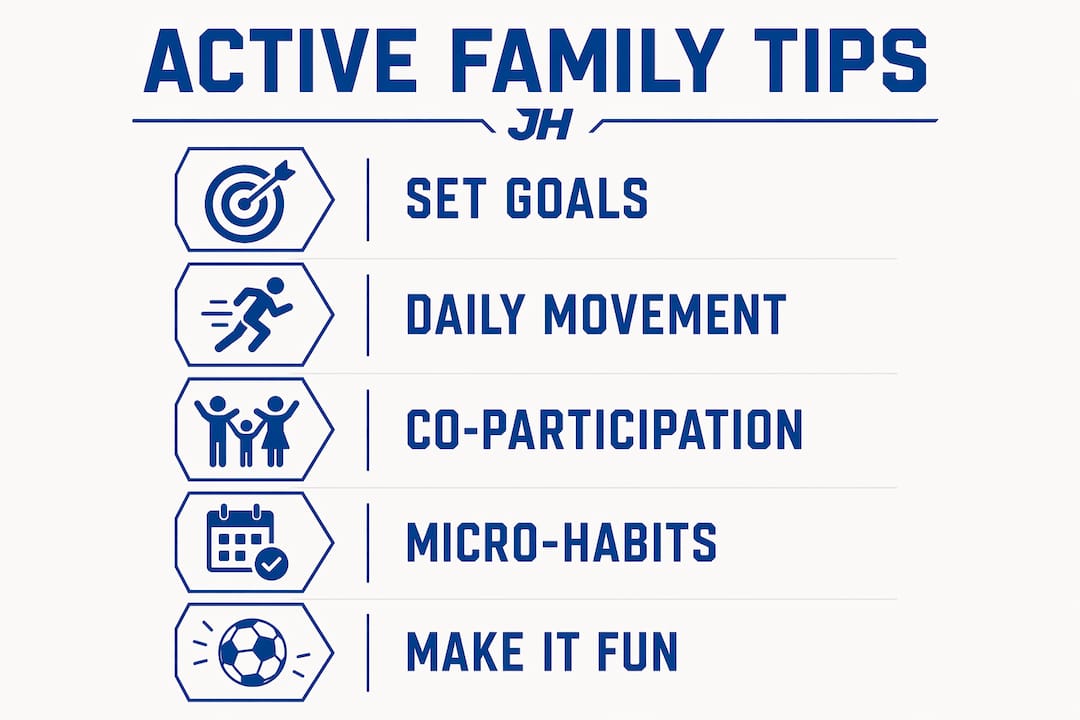
The biggest myth about family fitness is that it requires a big block of time. It doesn’t. The goal is micro-habits embedded in routines you already have.
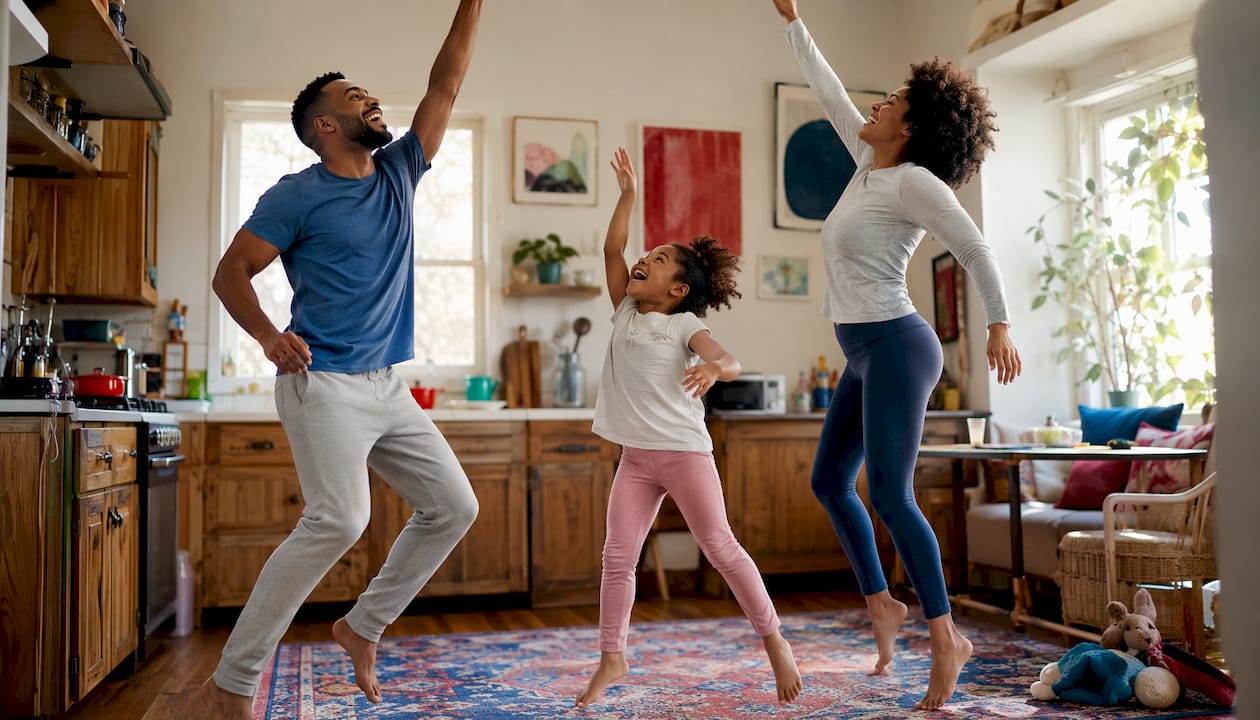
Think about the transitions in your day: the walk from the car to school, waiting for dinner to cook, commercial breaks during a show. Each one is an opportunity for movement. A few jumping jacks while waiting for the microwave sounds trivial, but stacked across a week, those minutes add up.
Practical ways to build activity into existing routines:
- Walk or bike to school instead of driving when distance allows
- Do bodyweight exercises during TV commercials or loading screens
- Turn grocery shopping into a walking challenge with a step goal
- Replace one car trip per week with a family bike ride
- Use accessible home routines that need minimal gear and minimal space
Setting realistic goals matters here. Aiming for daily 60-minute workouts when your family currently does nothing is a recipe for quitting by week two. Start with three 15-minute sessions per week and build from there.
Pro Tip: Reframe chores as movement opportunities. A scavenger hunt during a neighborhood walk or a “who can carry the most groceries” challenge turns ordinary tasks into family fitness activities without adding anything to your schedule.
What experts say about building lasting family activity habits
The psychology behind family activity is clearer than most parents realize. Two principles stand out above everything else.
Co-participation beats supervision. When parents join the activity instead of watching from the bench, children’s motivation increases and their long-term activity habits improve. The Mayo Clinic emphasizes that parental modeling through active participation, not just encouragement, is the strongest driver of children’s activity levels. You don’t have to be fast or athletic. You just have to show up and move.
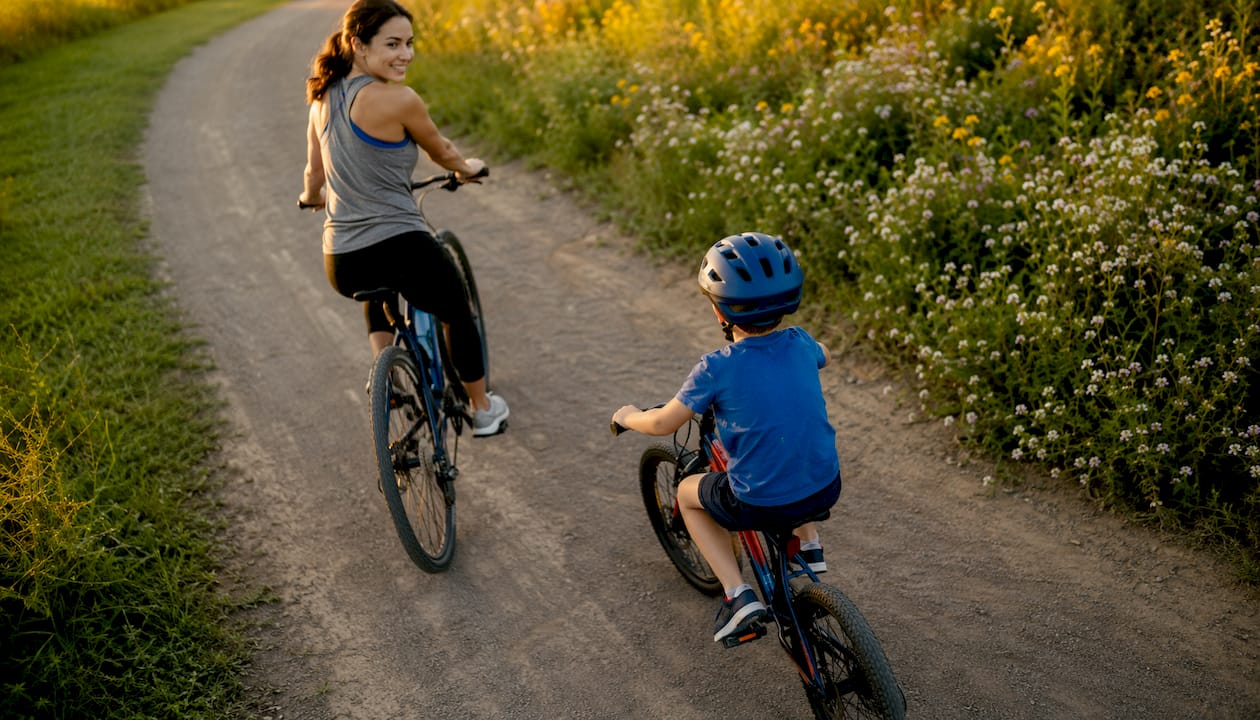
Micro-habits outlast motivation. Big, infrequent outings feel exciting but rarely stick. Short bursts of movement woven into daily life, what researchers call micro-habits, create lasting behavior change because they don’t depend on willpower or perfect conditions.
Expert-backed practices for sustainable family activity:
- Adapt activities to every family member’s age and ability so no one feels left out
- Focus on fun and connection rather than fitness metrics
- Use inclusive fitness options when family members have different physical needs
- Celebrate consistency, not performance
- Treat “all-or-nothing” thinking as the real barrier, not time or money
The lifestyle athlete mindset applies directly here: you don’t need to be an elite competitor to live actively. You just need to make movement a non-negotiable part of how your family operates, day after day.
At Teamjhall, that philosophy runs through everything we build. Confidence, family, and consistency aren’t just brand words. They’re the foundation of every active household.
Key Takeaways
An active family lifestyle built on daily shared movement, micro-habits, and parental co-participation produces measurable gains in physical health, mental wellbeing, and family connection.
| Point | Details |
|---|---|
| Daily activity targets | CDC guidelines call for 60 minutes of activity for children and 30 minutes for adults each day. |
| Use the 5-2-1-0 framework | Five servings of produce, two hours or less of screen time, one hour of activity, and zero sugary drinks anchors healthy family routines. |
| Co-participation drives results | Adolescents who exercise daily with parents show life satisfaction odds 4.25 times higher than those who never do. |
| Micro-habits beat big events | Short bursts of movement embedded in existing routines sustain activity better than occasional large outings. |
| Fun and inclusivity keep families active | Framing activity as leisure and connection, not exercise, improves long-term adherence for all ages. |
Gear up for the lifestyle you’re building. Teamjhall designs performance apparel for families who move with purpose, from everyday athletes to parents chasing greatness alongside their kids.